English
한국어
English
Español
中文
हिंदी
Home
News
Community
Dictionary
English
한국어
English
Español
中文
हिंदी
View list
cassava
Manihot esculenta
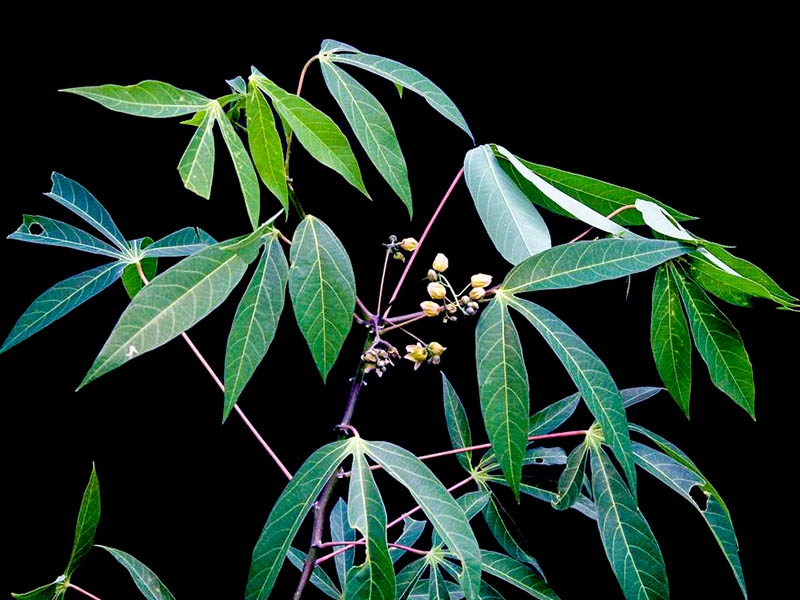
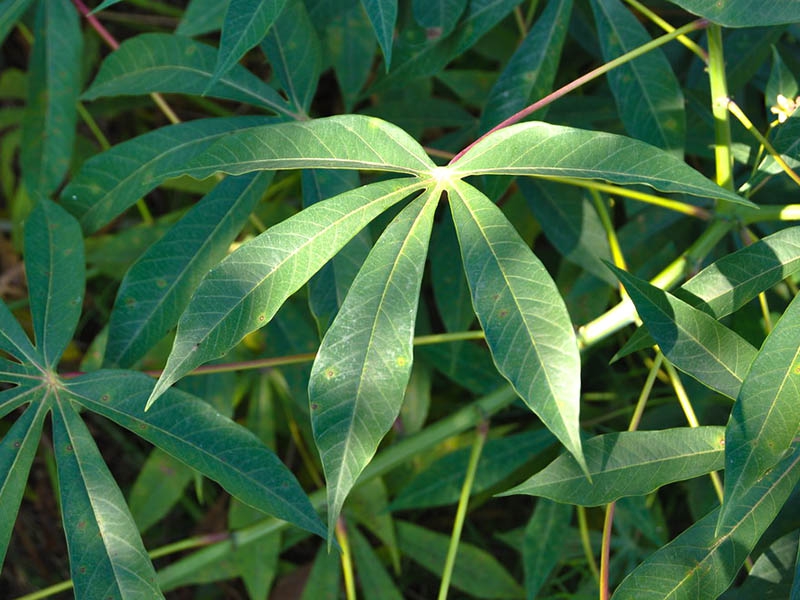
Cassava esculenta (Manihot esculenta) is a root crop primarily cultivated in tropical and subtropical regions. The following outlines the growth characteristics, propagation methods, cultivation methods, garden uses, and major pests and diseases, as well as control methods. Growth Characteristics - Growing Environment: Cassava thrives in hot and humid environments, exhibiting optimal growth when temperatures are between 25 and 30 degrees Celsius. While it grows well in areas with sufficient rainfall, it also has some tolerance to drought. - Soil: It prefers well-drained, organic-rich soil, but can grow in relatively poor soil as well. - Growth Cycle: It typically takes 8 to 12 months from planting to harvest. Propagation Methods - Vegetative Propagation: Vegetative propagation via stem cuttings is more common than propagation by seeds. Cut mature stems to a length of approximately 20 to 30 cm and plant them. Cultivation Methods - Planting: Plant the cut end of the stem at a depth of approximately 10 to 15 cm. The planting time is determined by local rainfall patterns and is usually before the rainy season begins. - Spacing: Plants should be spaced approximately 1 meter apart. - Care: Remove weeds and use light fertilizer if necessary to promote growth. Uses in the Garden - In addition to being edible, cassava can be used as an ornamental plant in the garden. Its unique leaf shape and flowers can be appreciated, especially in gardens in tropical regions. Major Pests and Control Methods - Diseases: Major diseases that can affect cassava include brown spot disease and mosaic virus. Mosaic virus can be prevented by selecting genetically resistant varieties. - Pests: Major pests include cassava aphids and whiteflies, which cause damage by sucking the plant's sap. - Control Methods: Biological control should be prioritized over chemical control. Pests are prevented through proper cultivation management combined with pest control using natural enemies. If necessary, appropriate pesticides can be used for control. Cassava esculenta is primarily used to extract starch from its edible roots and is utilized in various dishes. High yields can be achieved by strictly adhering to basic growing conditions and pest and disease management during cultivation.
Plant Family
Euphorbia
Height
1.5∼3m
Colors
yellow, orange
Bloom Period
May~June
Water Needs
commonly
Exposure
semi-shaded area
Freezing Resistance
-1°C
mango
Mangifera indica
Manicara Zapota
Manilkara zapota