English
한국어
English
Español
中文
हिंदी
Home
News
Community
Dictionary
English
한국어
English
Español
中文
हिंदी
View list
green gram
Vigna radiata
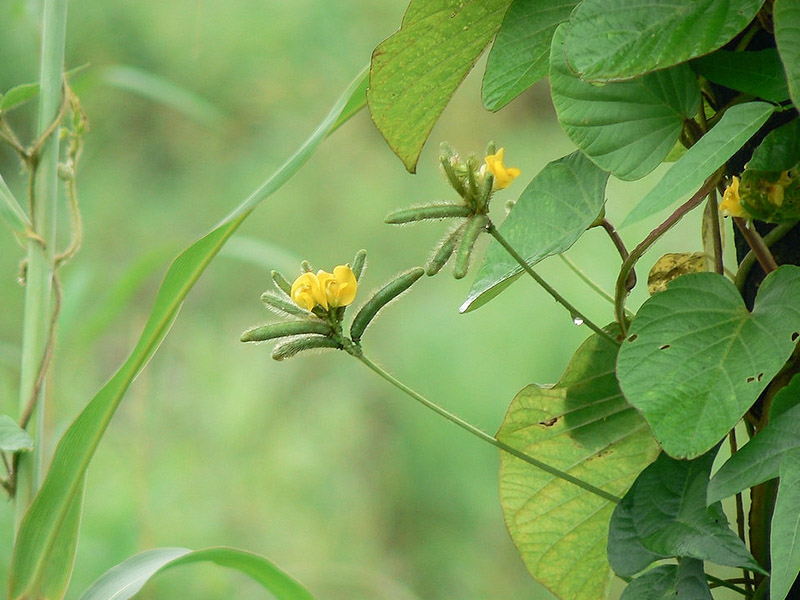
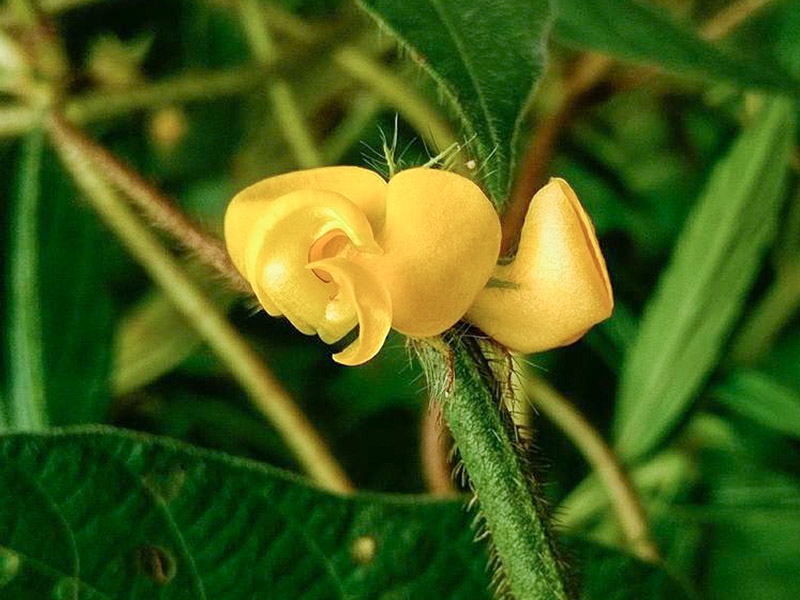
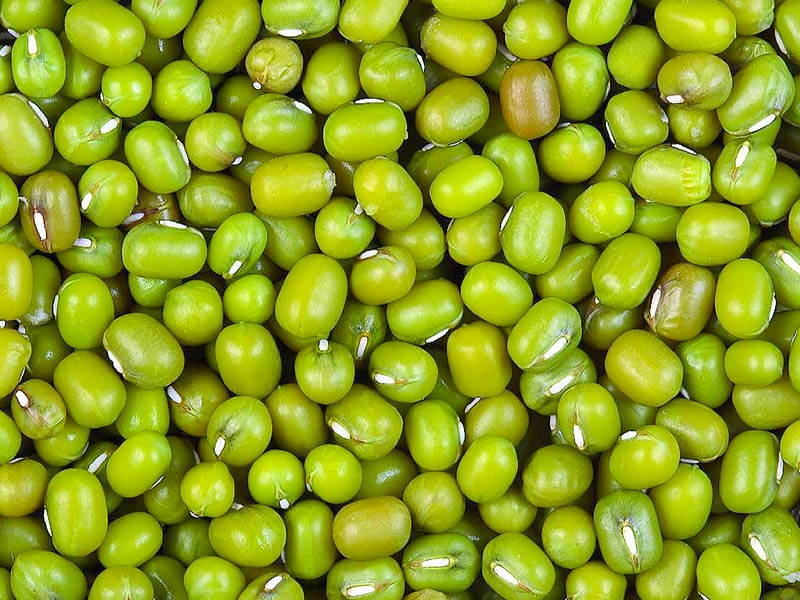
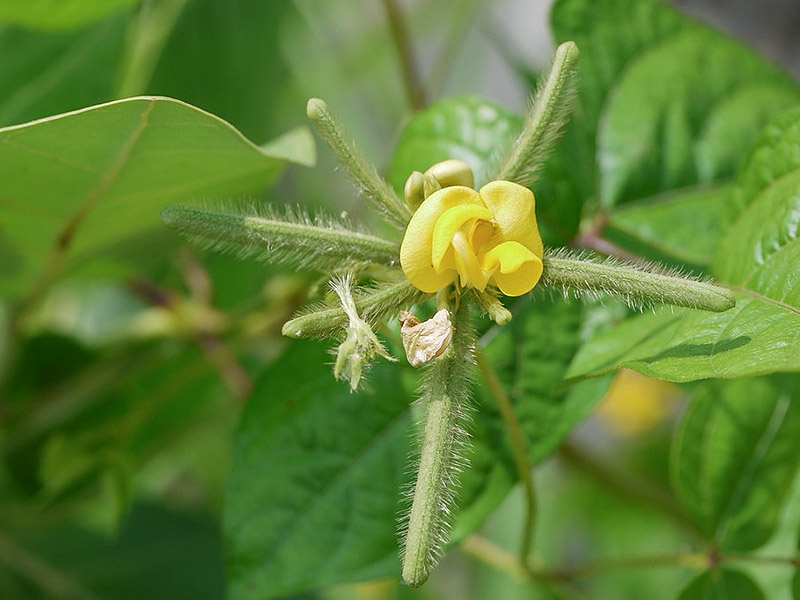
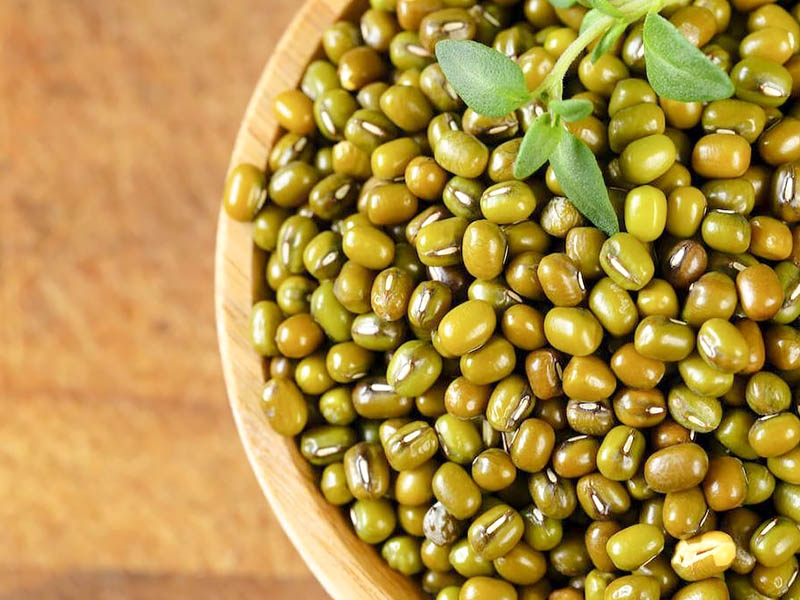
Mung bean Vigna radiata has the following growth characteristics, propagation methods, cultivation methods, garden uses, and information on major pests and diseases and control methods. Growth Characteristics - Climate: Mung beans thrive in warm and humid climates, with an optimal growth temperature of approximately 20–30°C. - Soil: It grows well in fertile, well-drained soil. Soil with a pH of 6.0–7.5 is suitable. - Growth Period: Generally takes 60–90 days. Propagation Methods - Seed Propagation: It is primarily propagated by seeds, which have excellent germination rates. Soaking the seeds in water for about a day before sowing can promote germination. Cultivation Methods - Sowing: Sow directly in the open ground in spring or early summer. Space the rows approximately 30–40 cm apart. - Watering: Water sufficiently during the initial growth period, and then water at appropriate intervals thereafter. - Fertilization: Use compost and compound fertilizer as base fertilizer. Additional fertilizer is not required during the growing season, but a small amount of nitrogen fertilizer can be applied if growth is sluggish. Uses in the Garden - Green Manure Crop: Used as a green manure crop to improve soil fertility. - Edible: Sprouted for use as mung bean sprouts, or the beans themselves can be used in cooking. Important Pests and Control Methods - Diseases: Mung beans are relatively resistant to disease, but fungal diseases (soft rot) may occur in humid conditions. To control this, improve soil drainage and use crop protection agents if necessary. - Pests: Major pests include sap-sucking insects such as aphids. For natural control, utilize predatory insects or use organic materials. Mung bean radiata is a relatively easy crop to cultivate and offers diverse uses, making it a great addition to the garden.
Plant Type
Plant Family
legumes
Height
30~80cm
Spread
Colors
yellow
Bloom Period
August
Water Needs
commonly
Exposure
Sunny
Freezing Resistance
-5°C
Eastern
Vigna unguiculata
fresh red beans
Vigna angularis var. nipponensis