English
한국어
English
Español
中文
हिंदी
Home
News
Community
Dictionary
English
한국어
English
Español
中文
हिंदी
View list
Sinyang cherry tree 'Montmorency'
Prunus cerasu
'Montmorency'
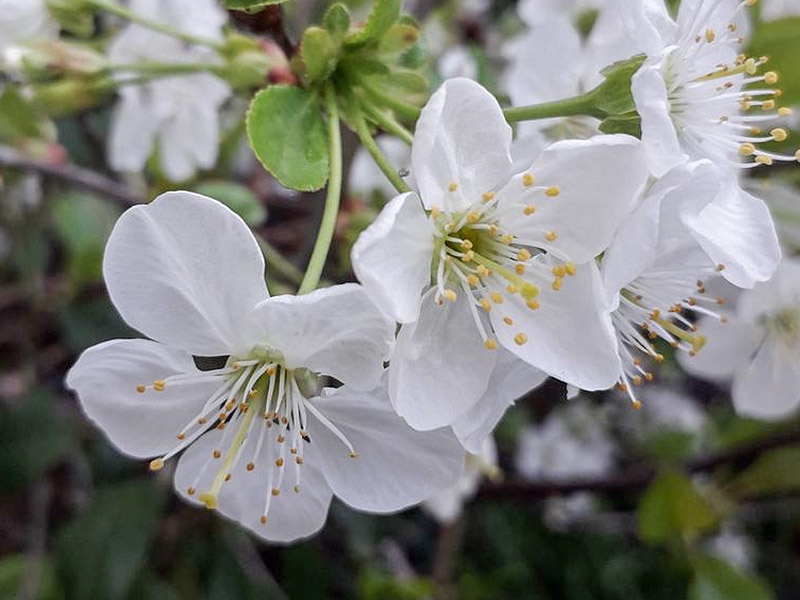
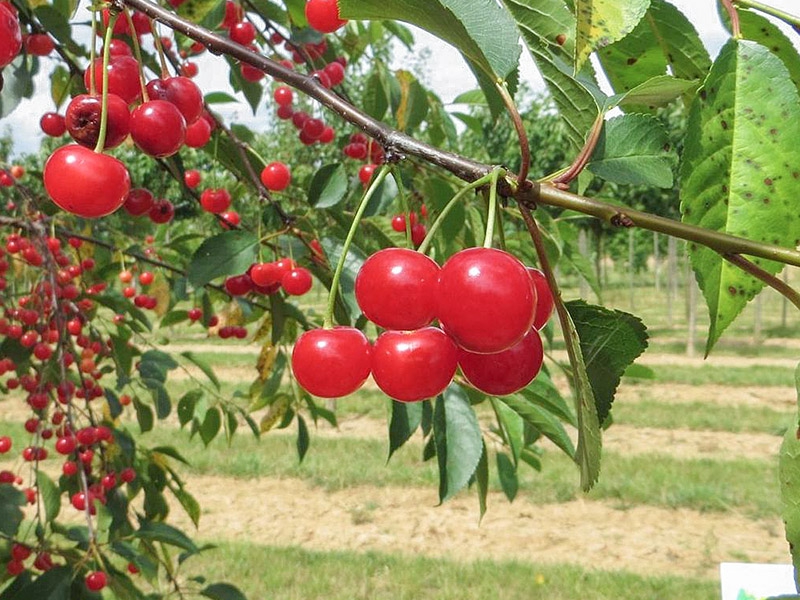
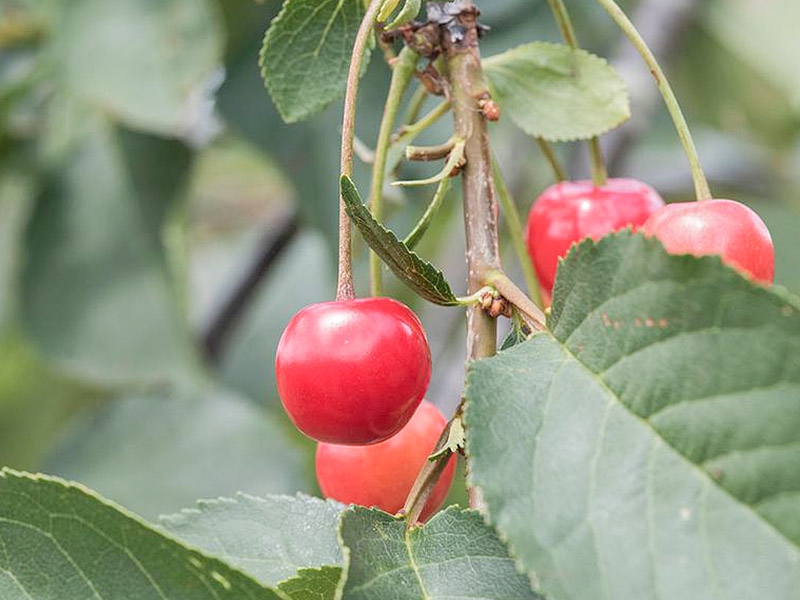
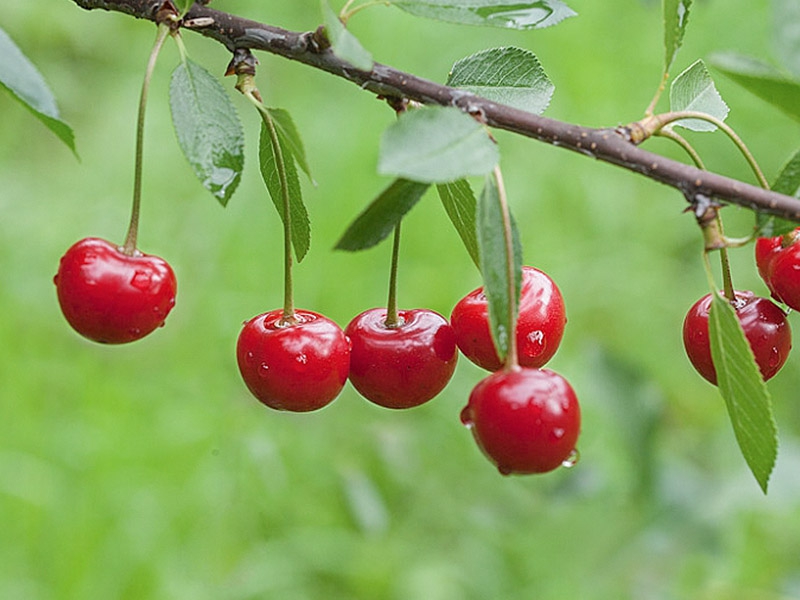
The 'Montmorency' cherry (Prunus cerasus 'Montmorency') is a medium-sized deciduous fruit tree primarily cultivated in Europe and North America. The following is information regarding its characteristics, cultivation methods, and pest and disease management. Growth Characteristics - Size: Mature trees grow to a height of approximately 4 to 6 meters, making it a relatively small tree. - Tree Shape: It has a round, dense crown with relatively spreading branches. - Flowering Season: White flowers bloom every spring (usually in April). - Fruit: Montmorency cherries are red and have a strong tart taste, primarily used for processing. - Cold Hardiness: It is relatively resistant to cold and thrives in USDA climate zones 4 through 7. Propagation Methods - Grafting: It is mainly propagated by grafting, using other cherry tree varieties such as 'Maha' as rootstock. 2. Cuttings: It can also be propagated through semi-rigid cuttings during the summer. Cultivation Methods - Soil: It prefers well-drained soil, and slightly acidic to neutral soil (pH 6.0–7.0) is suitable. - Sunlight: It requires full sunlight (at least 6 hours per day). - Watering: It is important to water sufficiently during the initial establishment period, and overwatering should be avoided thereafter. - Pruning: Pruning should be done during the winter dormancy period to manage the tree's shape and prevent pests and diseases. Uses in Gardens - The Japanese cherry tree is highly popular as an ornamental plant because it provides shade while allowing one to enjoy its beautiful flowers in the spring. - Although the fruit has a strong sour taste, it is used for various purposes such as jams, sauces, and desserts. Major Pests and Control Methods - Brown Spot: This disease causes spots on the leaves and fruit and can be prevented through proper air circulation and regular pruning. Fungicides can be used if necessary. 2. Aphids: These infect the leaves; observe the tree regularly and use soapy water or specialized pest control agents if necessary. - Branch Blight: This disease causes the tips of branches to dry out; immediately remove infected parts and prevent the spread through fungicide treatment. The information above will help you manage and cultivate 'Montmorency' cherry trees in a healthy way. When planting in the garden, it is important to select appropriate care methods suited to the surrounding environment.
Plant Type
Plant Family
Rosaceae
Height
3.6~5.4m
Spread
4.5~6m
Colors
white
Bloom Period
April to July
Water Needs
commonly
Exposure
Sunny
Freezing Resistance
-30°C
Western plum tree 'Green Gauge'
Prunus domestica 'Green Gage'
Purple-flowered plum 'Thundercloud'
Prunus cerasifera 'Thundercloud'