English
한국어
English
Español
中文
हिंदी
Home
News
Community
Dictionary
English
한국어
English
Español
中文
हिंदी
View list
sugarcane
Saccharum officinarum
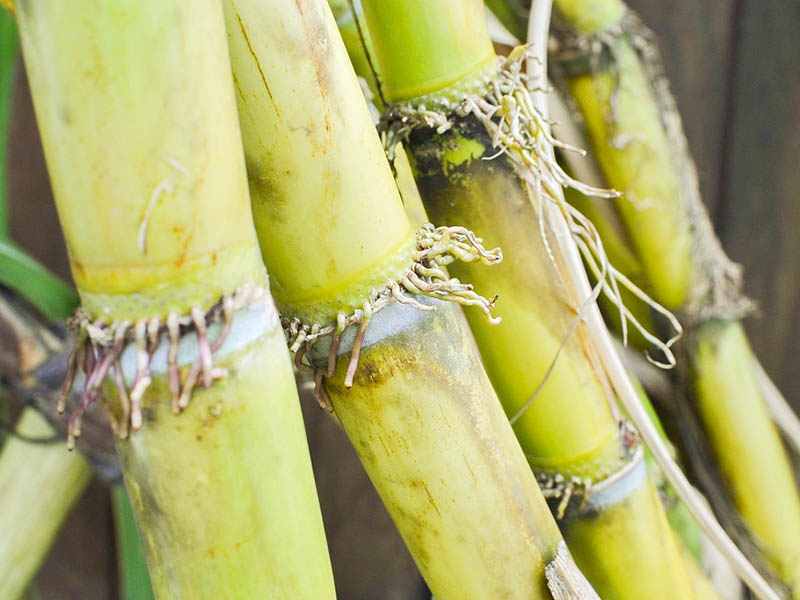
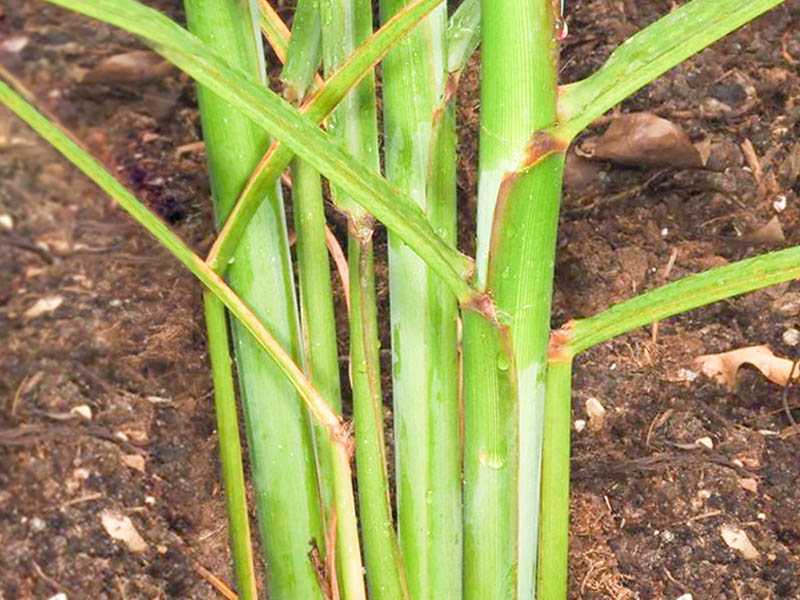
Sugarcane (Saccharum officinarum) is a perennial crop primarily cultivated in tropical and subtropical regions and is mainly used for sugar production. The following is information regarding the growth characteristics, propagation methods, cultivation methods, garden uses, and major pests and diseases and control methods. Growth Characteristics - Climate: Sugarcane thrives in warm and humid climates, with an optimal growth temperature of 20–30°C. - Soil: Well-drained soil rich in organic matter is suitable. A soil pH range of 5–8 is ideal. - Moisture: It requires approximately 1,500–2,500 mm of annual rainfall, and irrigation is necessary if water is scarce. Propagation Methods - Stem Cuttings: Propagation is primarily done by cutting the stem nodes. New shoots and roots grow from the cut nodes. Cultivation Methods - Planting: Stem cuttings are planted at intervals of approximately 20–30 cm. A planting depth of about 5–10 cm is appropriate. - Management: Suppress weed growth in the early stages after sowing, and promote growth through regular watering and fertilization during the growing season. - Harvest: Harvesting can take place approximately 12 to 18 months after sowing; the optimal time is when the stems are firm and fully grown. Uses in GardensWhile sugarcane is primarily cultivated for commercial purposes, it can also be grown on a small scale in some gardens for ornamental or educational purposes. Its tall growth characteristics allow it to be utilized as a border plant in gardens. Important Pests and Control Methods - Diseases: Sugarcane is susceptible to diseases such as red rust and leaf spot. - Control: Select disease-resistant varieties and reduce moisture by ensuring good ventilation around the plants. - Pests: Damage from pests such as sugarcane fruit flies and sugarcane stink bugs is common. - Control: Pests can be controlled by using natural insect predators or pyrethroid insecticides. Since appropriate cultivation and management methods may vary depending on the environmental conditions of each region, it is recommended to consult with a local agricultural technology center or expert.
Plant Type
Plant Family
Poaceae
Height
2∼6m
Spread
Colors
pink
Bloom Period
September to November
Water Needs
commonly
Exposure
Sunny
Freezing Resistance
10°C
dog sugarcane
Saccharum spontaneum
large dog sugarcane
Saccharum arundinaceum