English
한국어
English
Español
中文
हिंदी
Home
News
Community
Dictionary
English
한국어
English
Español
中文
हिंदी
View list
Geomundo paper mulberry
Wikstroemia ganpi
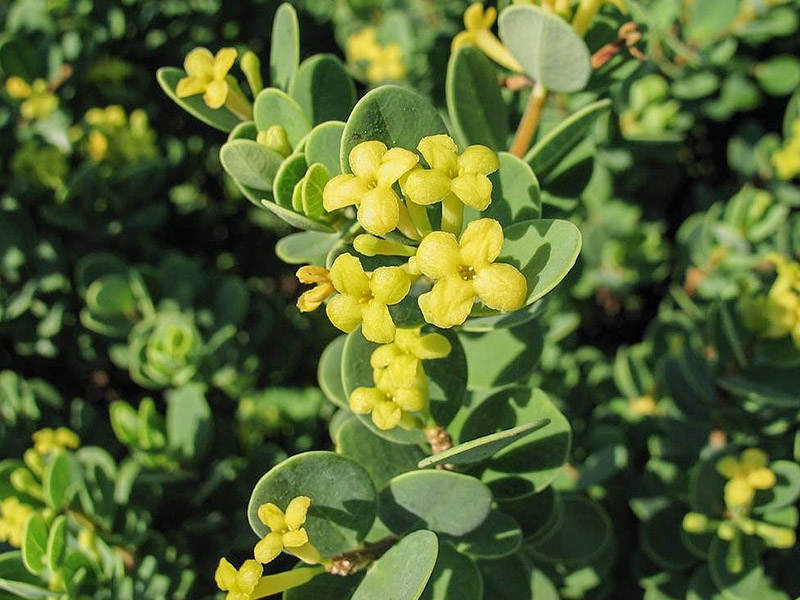
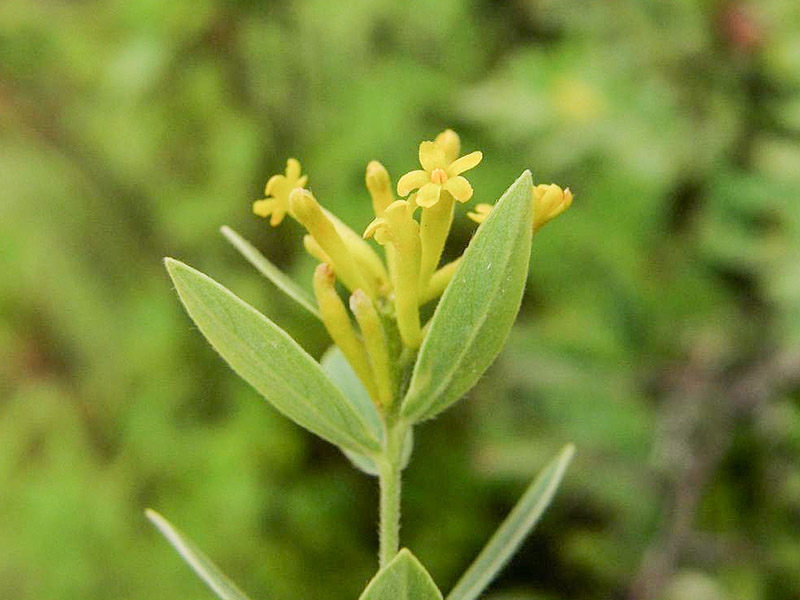
Wikstroemia ganpi has the following characteristics: Growth Characteristics Wikstroemia ganpi is a deciduous shrub that primarily grows in sunny areas but can tolerate some shade. It prefers well-drained soil but is adaptable to various soil conditions. It typically grows to a height of 1 to 2 meters. Propagation Methods This plant can be propagated by seeds and cuttings. Seed propagation is performed in the spring; treating the seeds with a germination catalyst in a cool place is recommended to increase the germination rate. For cuttings, new branches are cut in the summer and planted in a mixture of sand and perlite to induce rooting. Cultivation Methods - Soil Preparation: Select well-draining soil. - Planting: Planting in spring or autumn is recommended, and mulching helps maintain moisture. - Watering: Initially, water periodically to aid root establishment; thereafter, water only when the soil is nearly dry. 4. Management: It is recommended to use slow-release fertilizer in the spring. Uses in the Garden The bark of the Paprika mahogany is suitable for planting in gardens as an ornamental plant. It is particularly well-suited for decorating flowerbed edges or for use as a low hedge. Important Pests and Control Methods Major pests include aphids and fungal diseases. Control measures are as follows: - Aphids: Upon early detection, use soapy water or an eco-friendly insecticide with carefully selected active ingredients. - Fungal Diseases: Create a well-ventilated environment and use an appropriate antimicrobial agent when disease occurs. By following these methods, you can successfully cultivate and manage the Paprika mahogany.
Plant Type
Plant Family
Thymelaeaceae
Height
50~100cm
Spread
Colors
white, yellow
Bloom Period
July to September
Water Needs
commonly
Exposure
Sunny
Freezing Resistance
-10°C
Yoga King Indika
Wikstroemia indica
baby's back
Wisteriopsis japonica