English
한국어
English
Español
中文
हिंदी
Home
News
Community
Dictionary
English
한국어
English
Español
中文
हिंदी
View list
baby's back
Wisteriopsis japonica
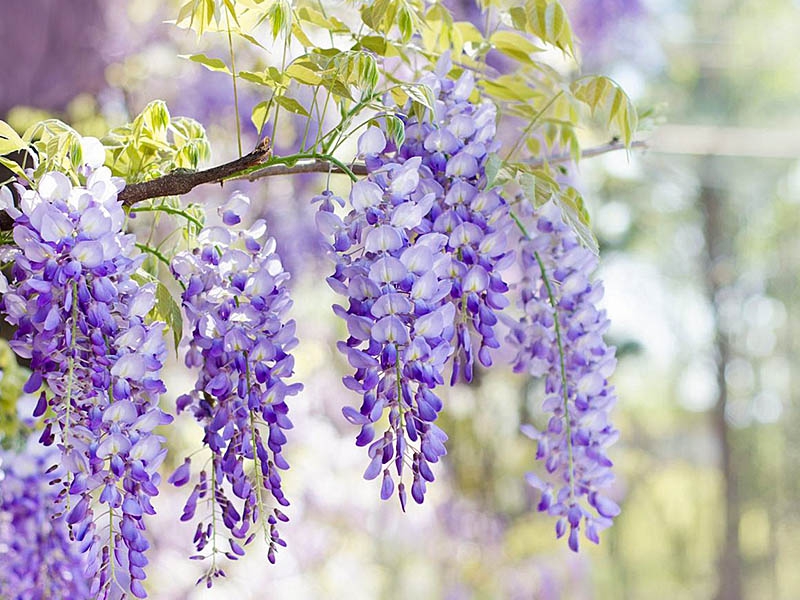
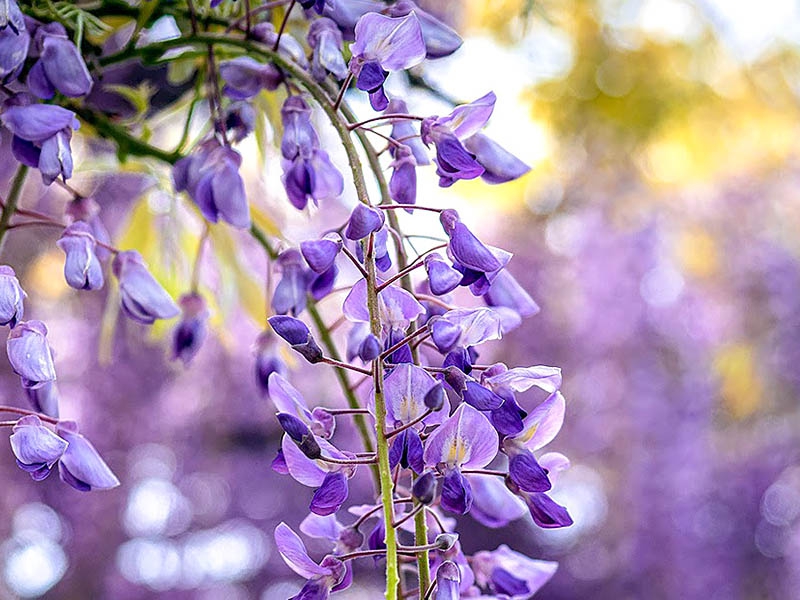
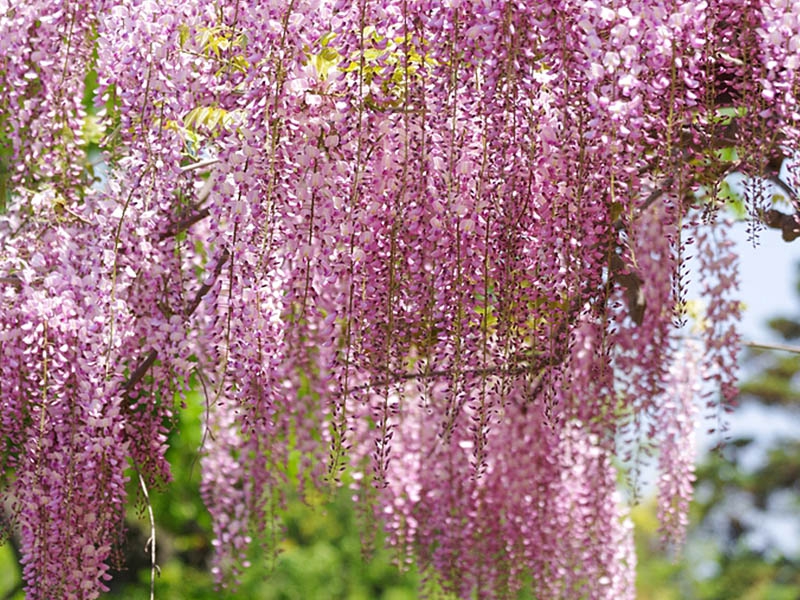
Wisteriopsis japonica is a vining plant native to Japan and Korea, characterized by the following growth traits and methods of propagation and cultivation. Growth Traits - Leaves: Lanceolate leaves grow alternately and have a slight sheen. - Flowers: Purple or violet flowers bloom in spring, appearing in clusters resembling bunches of grapes. - Stems: It grows as a vining plant that climbs by twining around other structures. Propagation Methods - Seed Propagation: Seeds are collected from mature plants and sown. The germination rate is low, so this process may take a long time. - Cutting Propagation: Healthy stems can be cut during the summer and propagated via water or soil cuttings. This method is faster and more efficient. Cultivation Methods - Soil: It thrives in fertile, well-drained soil. - Sunlight: While it prefers sunny locations, it can also grow in partial shade. - Watering: Avoid overwatering and water moderately. Ensure good drainage. - Fertilizer: Use a small amount of slow-release fertilizer in spring and autumn to promote growth. Uses in the GardenAs a vining plant, the Japanese daisy (Lilium candidum) is well-suited for structures such as hedges, arches, and pergolas. Its showy flowers provide excellent decorative appeal and add vitality to the garden. Important Pests and Control Methods - Diseases: Pests and diseases are not significant in well-grown areas; however, poor air circulation can lead to issues such as fungal diseases. - Control: Improve ventilation before diseases spread, and use appropriate fungicides if necessary. - Pests: Pests such as aphids may occur. - Control: Using organic insecticides immediately upon discovery or washing them off with water is an effective method. By referring to the above information and properly caring for the Japanese daisy, you will be of great help in cultivating a beautiful garden.
Plant Type
Plant Family
legumes
Height
3m
Spread
Colors
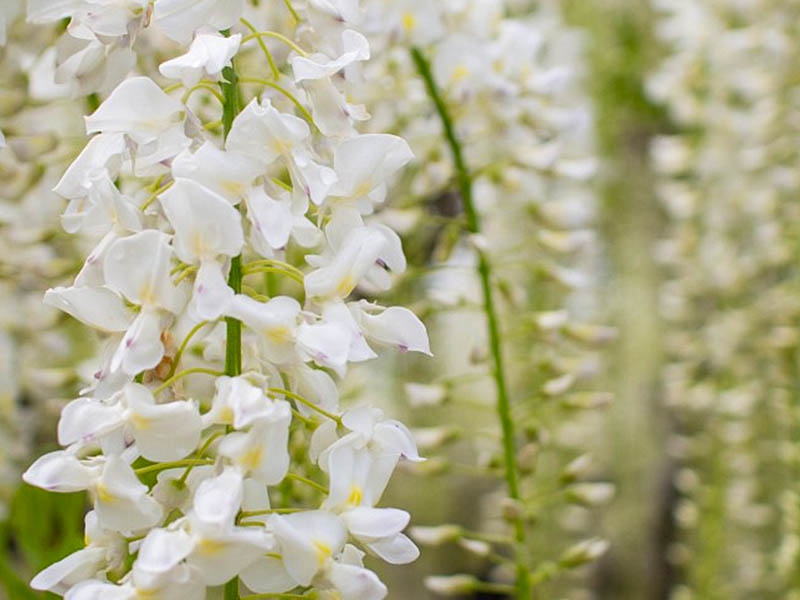
white
Bloom Period
July~August
Water Needs
commonly
Exposure
semi-shaded area
Freezing Resistance
-15°C
Geomundo paper mulberry
Wikstroemia ganpi
white light
Wisteria floribunda f. alba