English
한국어
English
Español
中文
हिंदी
Home
News
Community
Dictionary
English
한국어
English
Español
中文
हिंदी
View list
white light
Wisteria floribunda
f.
alba
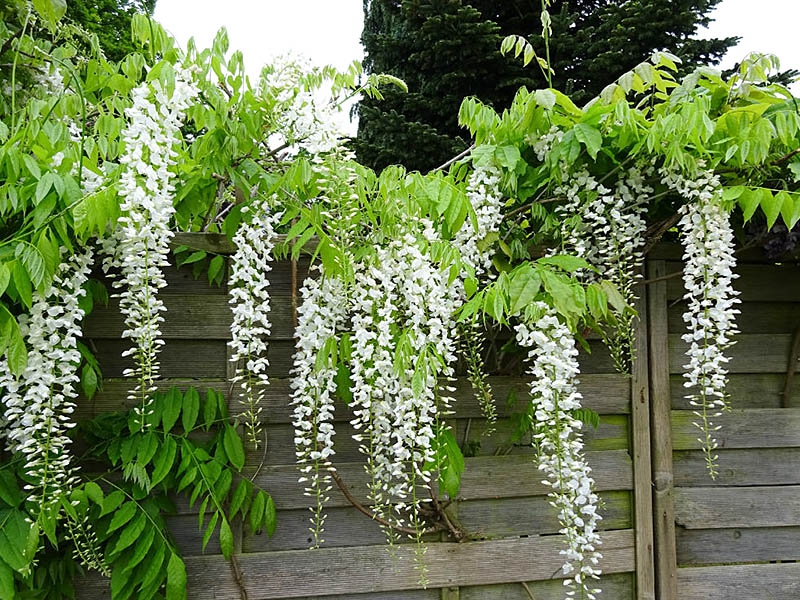
Wisteria floribunda f. alba, also known as the White Wisteria, is beloved in many gardens for its distinctive white flowers. Let’s take a detailed look at this plant’s growth characteristics, cultivation methods, propagation methods, garden uses, and major pests and diseases and their control methods. Growth Characteristics - Growth Form: A vining deciduous broad-leaved plant that grows spirally and twines well around other structures. - Size: Mature trees can grow up to approximately 10 to 20 meters in height. - Flowering Season: It blooms primarily in late spring; the flowers hang down long and emit an alluring fragrance. - Soil Requirements: It thrives in fertile, well-drained soil. - Sunlight Requirements: It prefers sunny locations but can also grow in moderate partial shade. Propagation Methods - Seed Propagation: It can be propagated by seeds, but the germination rate is low and it takes a long time to bloom. - Cuttings: You can propagate by cutting a healthy stem in summer or autumn, placing it in water to encourage rooting. - Grafting: It can also be propagated by grafting it onto another wisteria vine. Cultivation Methods - Planting: It is best to plant in spring or autumn. Install supports to help the vines grow well. - Watering: It is best to keep the soil moist while avoiding overwatering. Water management is especially important during the flowering season. - Fertilization: Apply fertilizer appropriately before flowering and during the summer to maintain nutritional balance. - Pruning: Prune regularly during the winter dormancy period to regulate growth and encourage blooming. Uses in the Garden - Decoration: You can enhance the decorative effect by planting it on arched structures, fences, or trellises. - Shading: It can also be used for shade by climbing the vines over a pergola. Important Pests and Diseases and Control Methods - Diseases: Proper drainage and ventilation are important, as root rot and fungal diseases may occur. - Pests: Aphids, grasshoppers, and moths are common pests. To control them, it is important to remove them early using organic insecticides or soap water. - Prevention: Regular inspection and maintenance are necessary to grow a healthy plant. By managing your Wisteria Floribunda f. Alba in the manner described above, you can grow it to be even healthier and more beautiful.
Plant Type
Plant Family
legumes
Height
10m
Spread
Colors
white
Bloom Period
May
Water Needs
commonly
Exposure
Sunny
Freezing Resistance
-15°C
baby's back
Wisteriopsis japonica
etc.
Wisteria floribunda