English
한국어
English
Español
中文
हिंदी
Home
News
Community
Dictionary
English
한국어
English
Español
中文
हिंदी
View list
Blue purslane
Amaranthus viridis
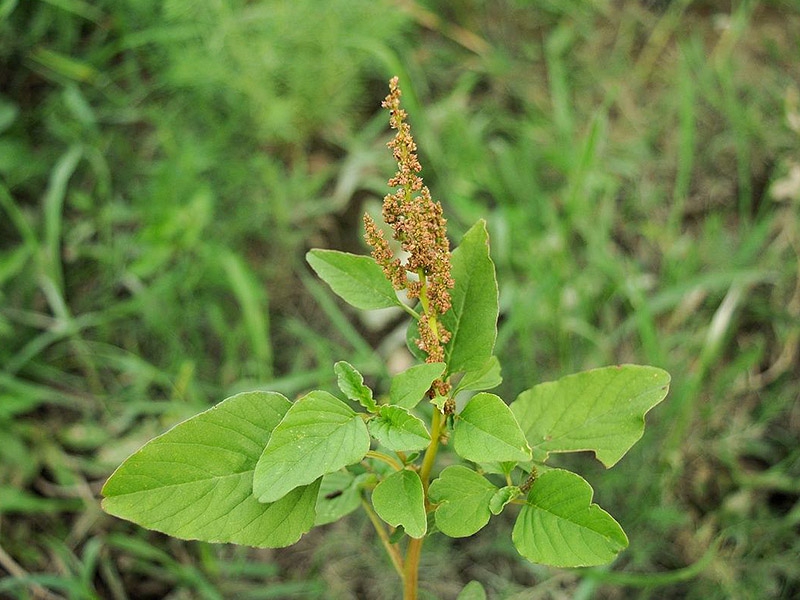
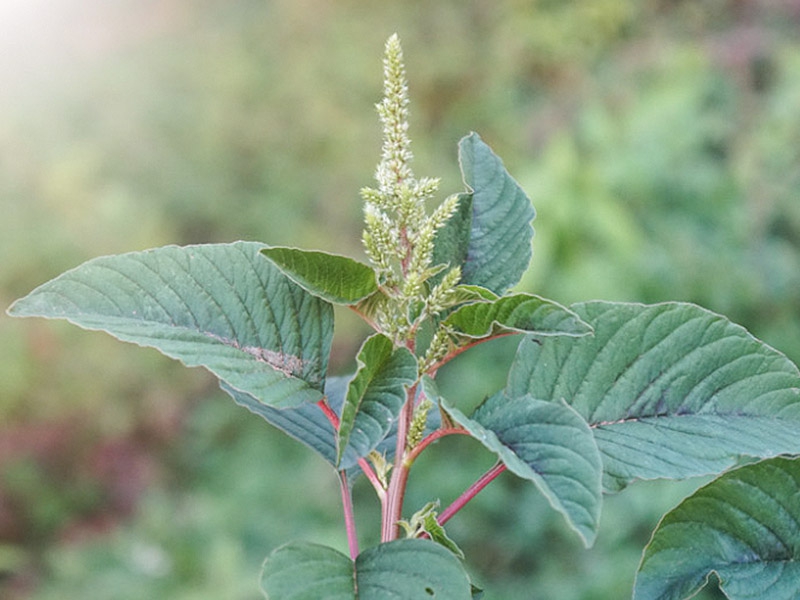
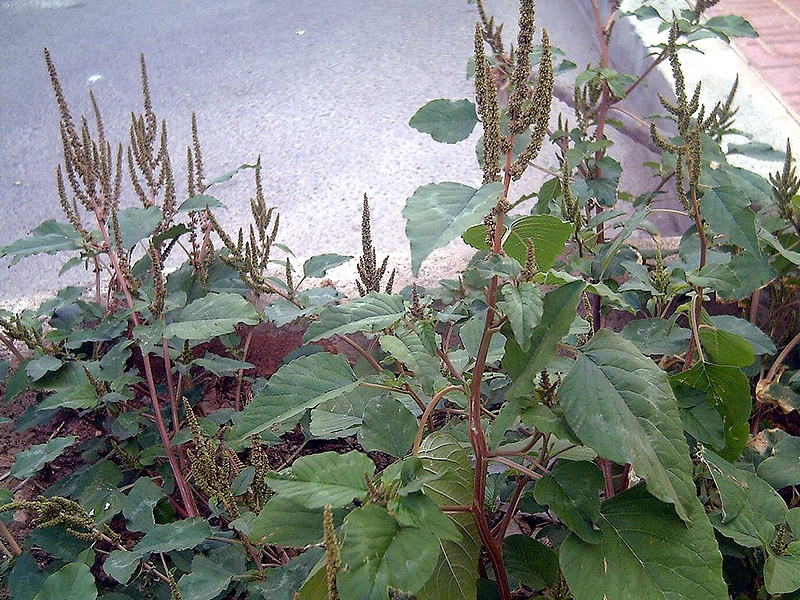
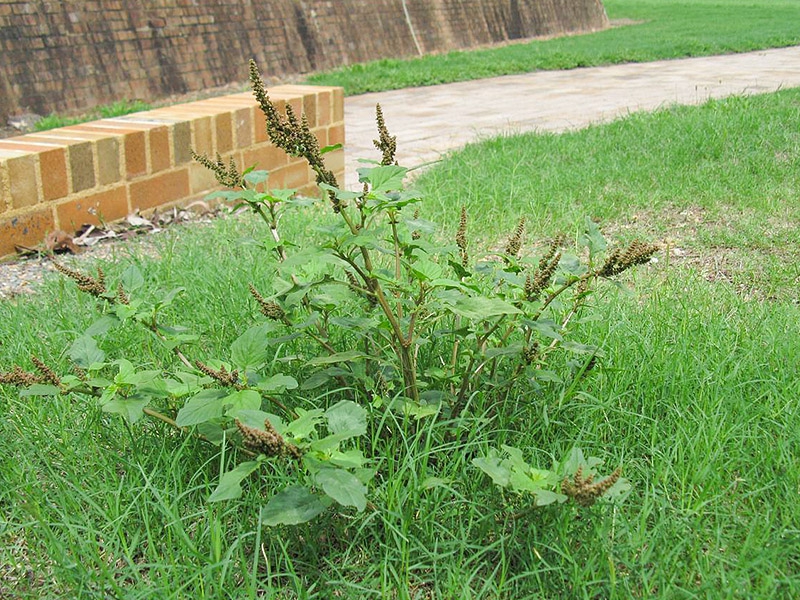
Amaranthus viridis is an annual herbaceous plant commonly known as "Slim Amaranth" overseas. This plant thrives in warm, humid environments and flourishes particularly during the summer. While it prefers hot and humid weather, it can adapt to a variety of environments. Growth Characteristics - Size and Shape: It typically grows to a height of 30 to 100 cm. The stems are light green, stand upright, and branch lightly. - Leaves: The oval, dark green leaves are approximately 3 to 10 cm long, with slightly wavy edges. - Flowers: Small and green, they are densely arranged in spike-like inflorescences. Reproduction Methods - Seeds: The only method of reproduction is by seeds. The plant flowers in the summer, and the seeds mature in the autumn. The seeds are light and easily dispersed by the wind. - Germination Conditions: It germinates well in warm, humid environments and has a relatively high germination rate. Cultivation Method - Soil: It prefers well-drained soil. It grows well in neutral to slightly acidic soil with a pH of 6.0 to 7.5. - Sunlight: It requires sufficient sunlight, but can grow to some extent in partial shade. - Water Management: It requires moderate watering, and excessively wet environments should be avoided. Uses in the Garden - Amaranth is used as a vegetable because its leaves are edible and provide abundant nutrients. Additionally, it can add biodiversity to the garden by serving as a habitat for wildlife. Major Pests and Diseases & Control Methods - Diseases: There are no specific diseases, but root rot may occur if the soil is excessively wet. - Pests: Aphids and moths are the primary pests. - Control Methods: Appropriate insecticides can be used for aphids and moths, or biological control using natural enemies can be considered for organic cultivation. Root rot caused by excessive moisture can be prevented by improving drainage and regulating watering. - Blue purslane is a relatively easy-to-manage plant, and it has the advantage of being easily grown in gardens or fields.
Plant Type
Plant Family
Amaranthaceae
Height
50~90cm
Spread
Colors
red, purple
Bloom Period
July to October
Water Needs
commonly
Exposure
Sunny
Freezing Resistance
-5°C
Blue Hibiscus Hugeli
Alyogyne huegelii
purslane
Amaranthus tricolor