English
한국어
English
Español
中文
हिंदी
Home
News
Community
Dictionary
English
한국어
English
Español
中文
हिंदी
View list
Celeriac
Apium graveolens
var.
rapaceum
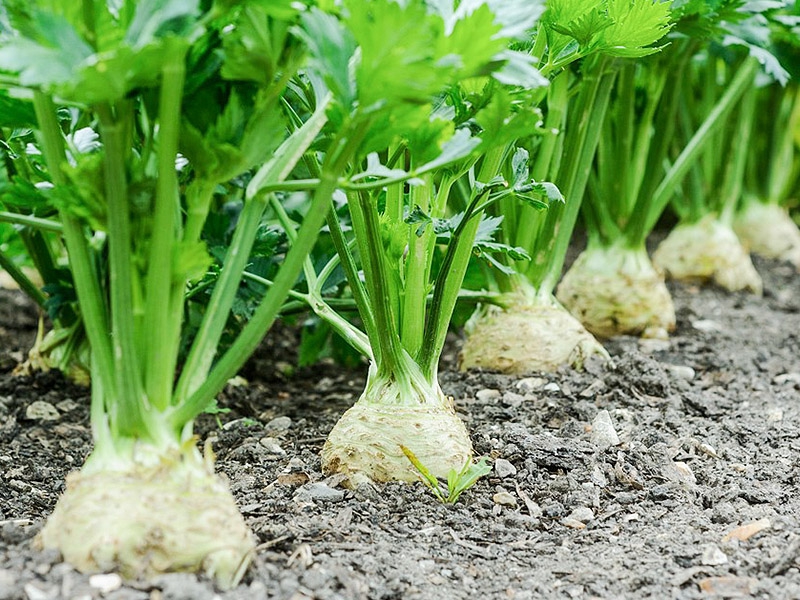
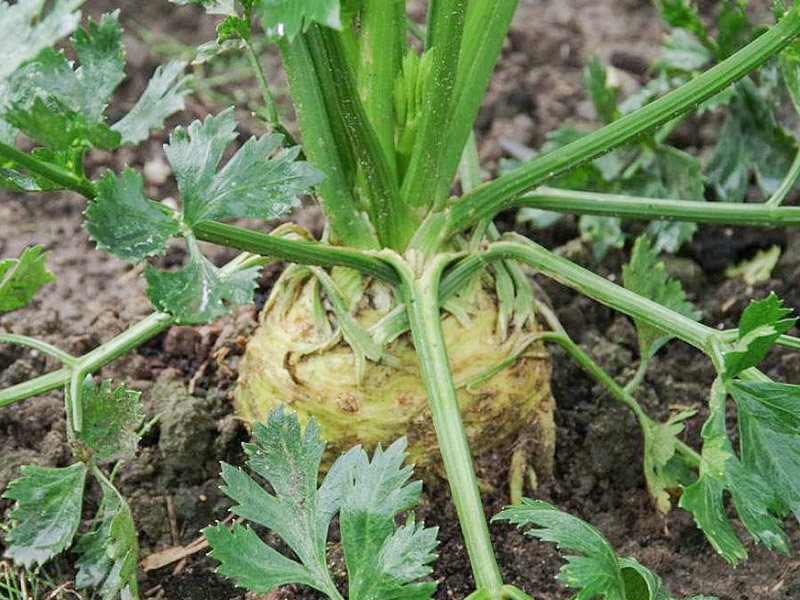
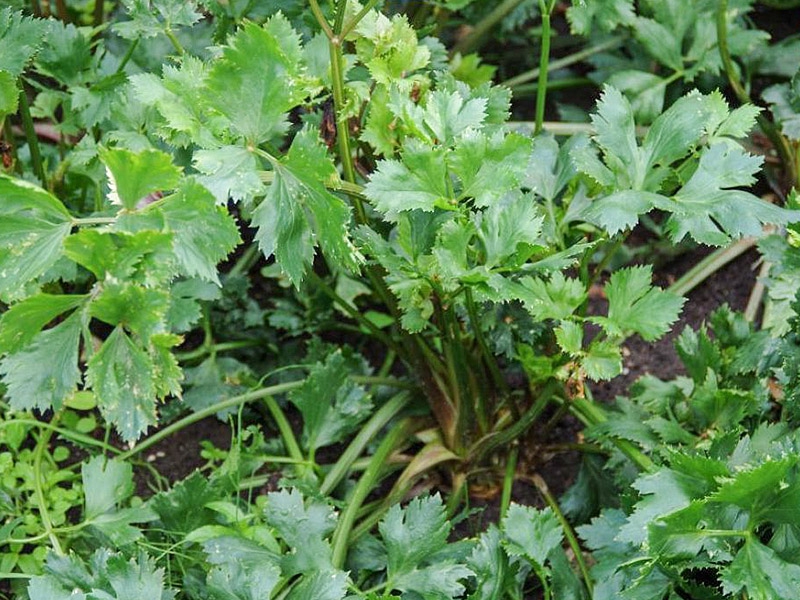
Celeriac (Apium graveolens var. rapaceum) is a very unique root vegetable used in various dishes due to its distinctive taste and aroma. The following is information regarding celeriac’s growth characteristics, propagation methods, cultivation methods, garden uses, and major pests and diseases and control methods. Growth Characteristics - Growth Conditions: Celeriac prefers a cool climate and grows well at temperatures of 15–18 degrees Celsius. High temperatures and humidity should be avoided. - Soil: It likes well-drained soil, and soil rich in organic matter is ideal. A soil pH of 6.0–7.0 is suitable. - Light Conditions: It grows well in full sun and requires at least 6 hours of sunlight per day. Propagation Methods - Seed Propagation: Celeriac is primarily propagated by seeds. Seeds are germinated indoors for 8–10 weeks, and then transplanted outdoors during a frost-free period. - Spacing: When planting seeds, space them 2–3 cm apart. When transplanting seedlings, maintain a spacing of 30–40 cm between plants. Cultivation Method - Watering: Adequate moisture is crucial, and the soil must be kept consistently moist. However, excessive watering can cause root rot. - Fertilizer: Use a fertilizer balanced with nitrogen, phosphorus, and potassium; it is recommended to apply additional fertilizer in the middle of the growing season. - Weed Management: Remove weeds effectively early on to ensure the plants can absorb sufficient nutrients. Uses in the GardenCeleriac has large roots and a unique shape, making it suitable for use as a decorative element in the garden. It is also highly popular as a root vegetable in vegetable gardens. Important Pests and Control Methods - Diseases: Celeriac can be susceptible to fungal diseases and bacterial spot. To prevent this, periodic soil disinfection and the use of healthy seeds are important. - Pests: Basic pests include worms and snails; manage them using appropriate pest control and natural control methods. - Control Methods: Implement reasonable crop rotation and use standard pesticides during sensitive periods. Natural control methods include planting herbs around the plants or utilizing predators. Celeriac is a useful crop that is not difficult to manage and, due to its unique flavor, can be used in various dishes after harvesting, even in home gardens.
Plant Type
Plant Family
Apiaceae
Height
60∼90cm
Spread
Colors
Green, white
Bloom Period
June to September
Water Needs
commonly
Exposure
Sunny
Freezing Resistance
-10°C
Pine needle water parsley
Apium leptophyllum
Korean fragrant grass
Apocynum lancifolium