English
한국어
English
Español
中文
हिंदी
Home
News
Community
Dictionary
English
한국어
English
Español
中文
हिंदी
View list
Cauliflower Oleracea var. Archephala
Brassica oleracea
var.
acephala
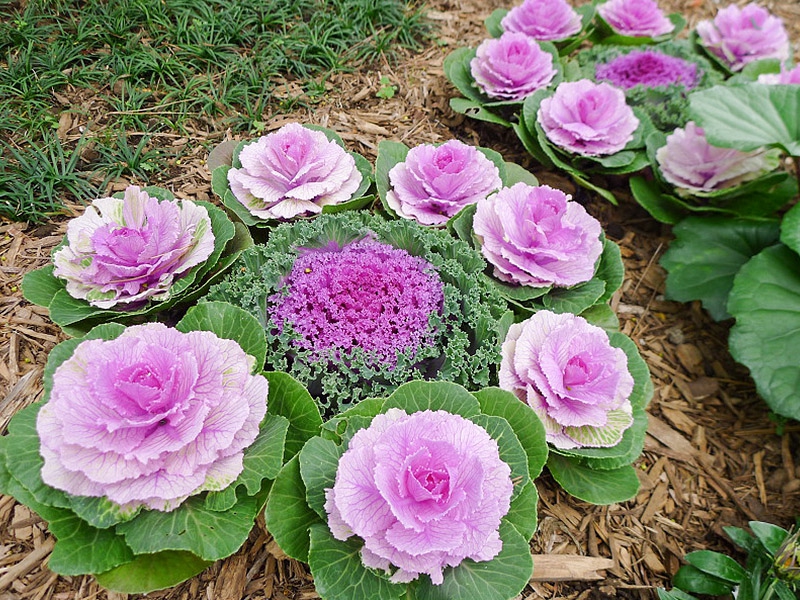
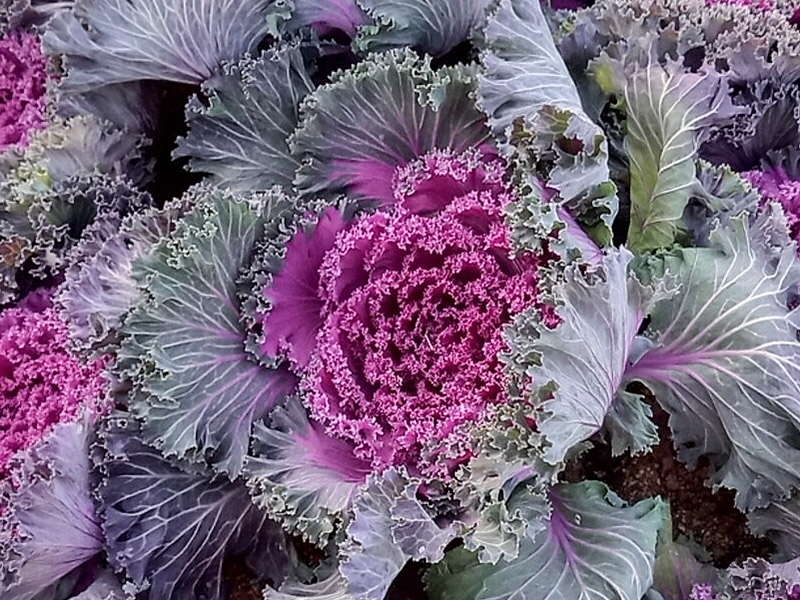
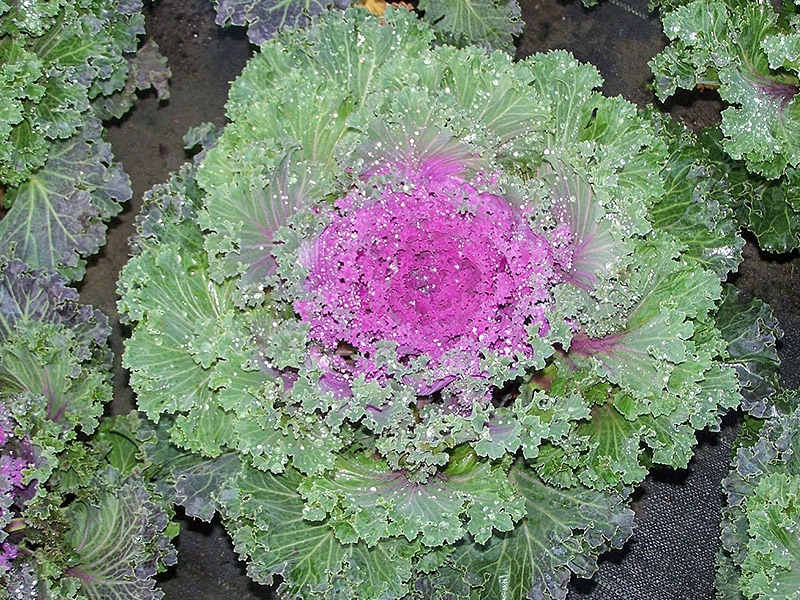
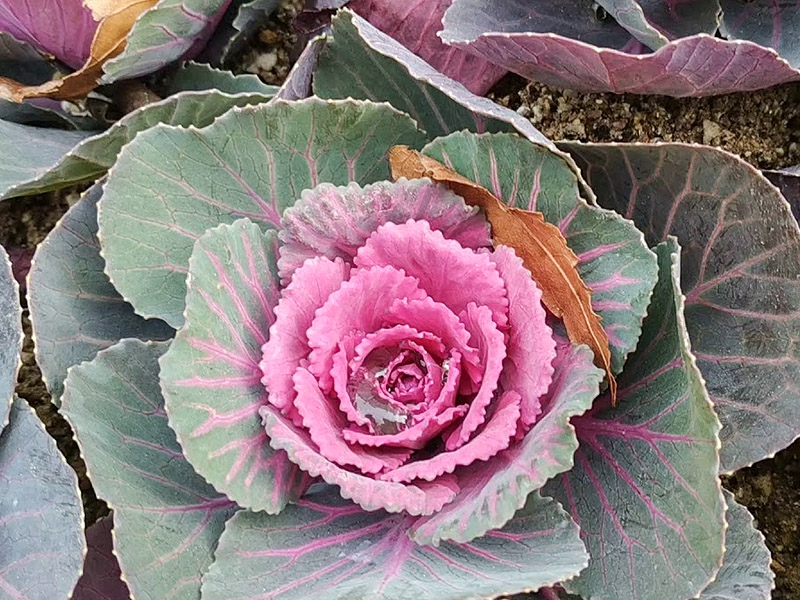
Brassica oleracea var. acephala is a type of kale widely used as a decorative plant in gardens due to its diverse colors and shapes. The following describes the plant's growth characteristics, propagation methods, cultivation techniques, garden uses, major pests and diseases, and control methods. Growth Characteristics - Growth Environment: It prefers a cool climate and thrives in sunny locations. Well-drained, waterlogged soil rich in organic matter is ideal. - Growth Cycle: It generally grows well throughout spring and autumn. It is best to avoid the intense heat of summer. - Harvest Time: Harvesting is possible approximately 70 to 90 days after planting. Harvesting young leaves results in tender and delicious flavor. Propagation Methods - Seed Propagation: It can be propagated by sowing seeds directly. Plant at a depth of about 1–2 cm and germinate at temperatures between 10–20°C. After germination, establish the seedlings while maintaining appropriate spacing. - Propagation by Cuttings: Some varieties can be propagated by cuttings. Cut a healthy stem, plant it in the ground, and water it to encourage new roots to develop. Cultivation Methods - Soil Preparation: Plant in neutral to slightly acidic soil with a pH of 6.0 to 7.5. Prepare the soil to be fertile using compost or organic fertilizer. - Sowing and Transplanting: Sow seeds directly in the spring or autumn, or grow seedlings and transplant them. - Watering: Maintain consistent soil moisture. It is best to avoid excessive moisture or dryness. - Spacing: Keep plants spaced 30 to 45 cm apart to ensure good ventilation. - Pest and Disease Management: Regularly observe the plants for signs of pests and diseases, and take control measures if necessary. Uses in the Garden - Decorative Value: Its diverse colors and leaf shapes add vibrant color to the garden. - Edible: The leaves can be used as an ingredient in salads, smoothies, and more. Major Pests and Diseases and Control Methods - Soft Rot: Prevent by avoiding overwatering and improving drainage. - Aphids: Check the plant's leaves frequently and remove them using soapy water or insecticides if necessary. - Cabbage White Butterfly Larvae: Remove them manually or manage the larvae through biological control. - Sclerotinia Root Disease: Remove affected parts in the early stages of infection and use control agents if necessary. This plant is relatively easy to care for, and even novice gardeners can grow it easily if provided with the right environment.
Plant Type
Plant Family
Cruciferae
Height
15~40cm
Spread
Colors
purple, red, green
Bloom Period
October to December
Water Needs
commonly
Exposure
Sunny
Freezing Resistance
-10°C
cabbage
Brassica oleracea var. capitata
rapeseed
Brassica napus