English
한국어
English
Español
中文
हिंदी
Home
News
Community
Dictionary
English
한국어
English
Español
中文
हिंदी
View list
Capers
Capparis spinosa
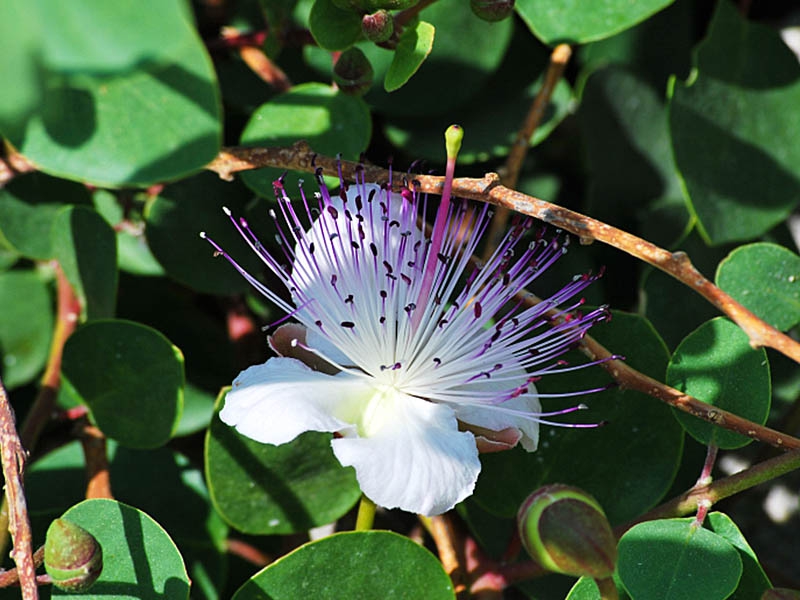
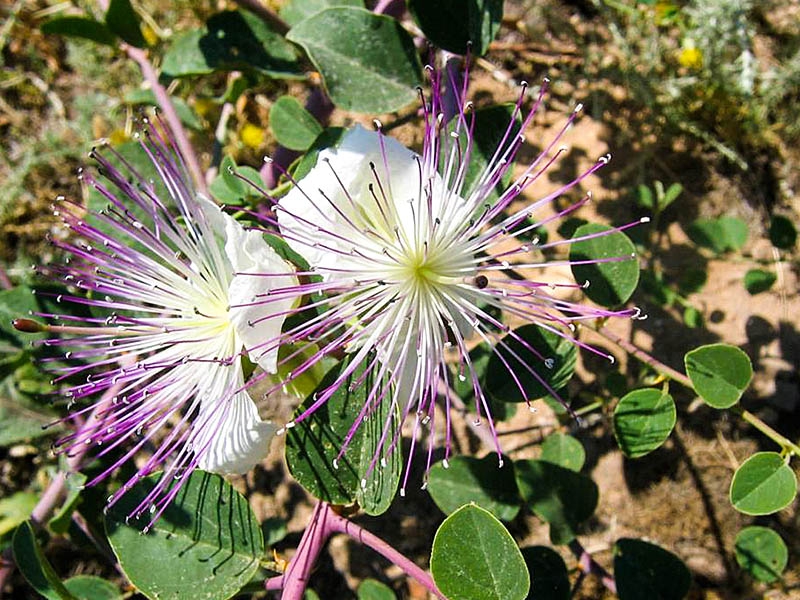
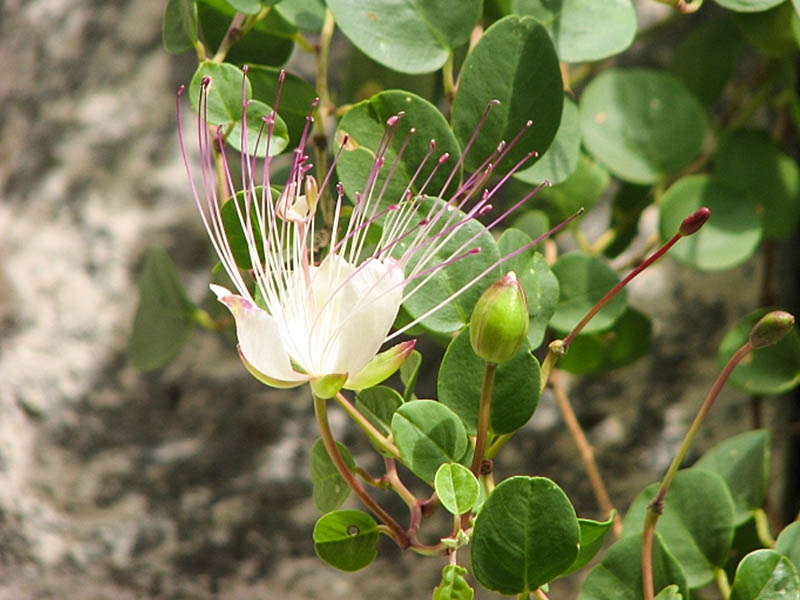
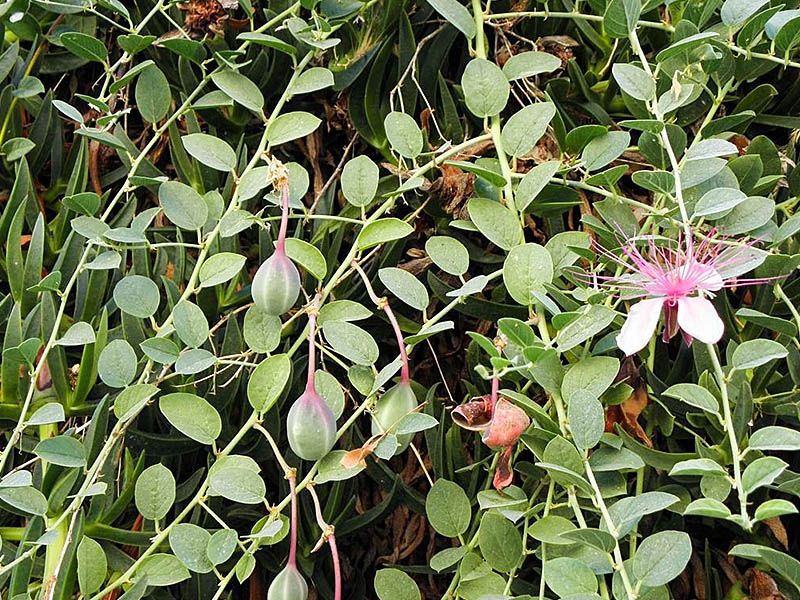
Caparis spinosa is a perennial woody plant native to the Mediterranean region, primarily utilizing its flower buds, known as capers. The following outlines the growth characteristics, propagation methods, cultivation techniques, garden uses, and major pests and control methods for Caparis spinosa. Growth Characteristics - Growing Environment: Caparis spinosa thrives in hot, dry regions and prefers well-drained soil. It is highly salt-tolerant and grows well even in coastal areas. - Growth Habit: It grows in a vining or spreading form and features small branches and sharp thorns. - Flowering: It blooms mainly during the summer, producing flowers that are predominantly white or light pink. Propagation Methods - Seed Propagation: Seed germination is relatively difficult; however, it is recommended to soak the seeds in water for about 24 hours before sowing to ensure germination. - Cutting Propagation: Branch cuttings have a higher propagation rate than seeds. It can be propagated by taking cuttings in spring or autumn. Cultivation Methods - Planting: Plant in well-drained sandy soil in a sunny location. - Watering: It is drought-tolerant, but regular watering is necessary during the early growth stages. - Fertilizer: Excessive fertilizer can be harmful, so it is recommended to use compost or slow-release fertilizer once or twice a year. Garden Uses - Ornamental: Suitable for landscaping; as a vining plant, it is effective for covering fences or walls. - Edible: Flower buds can be pickled and used in various dishes. Important Pests and Control Methods - Pests: Aphids or spider mites may occur. Regular use of insecticides is necessary to prevent this. - Diseases: Root rot can occur if the soil is excessively wet, so care must be taken with drainage management. Caper spinosa is relatively easy to care for and can be enjoyed in the garden for a long time, provided the right environment is provided. To prevent pests and diseases, it is recommended to observe the plant regularly and apply appropriate control measures when necessary.
Plant Type
Plant Family
Capris and
Height
60~90cm
Spread
90~180cm
Colors
white
Bloom Period
March to August
Water Needs
commonly
Exposure
Sunny
Freezing Resistance
-10°C
I am also an oil bird
Capillipedium parviflorum
Shepherd's purse
Capsella bursa-pastoris