English
한국어
English
Español
中文
हिंदी
Home
News
Community
Dictionary
English
한국어
English
Español
中文
हिंदी
View list
taro
Colocasia esculenta
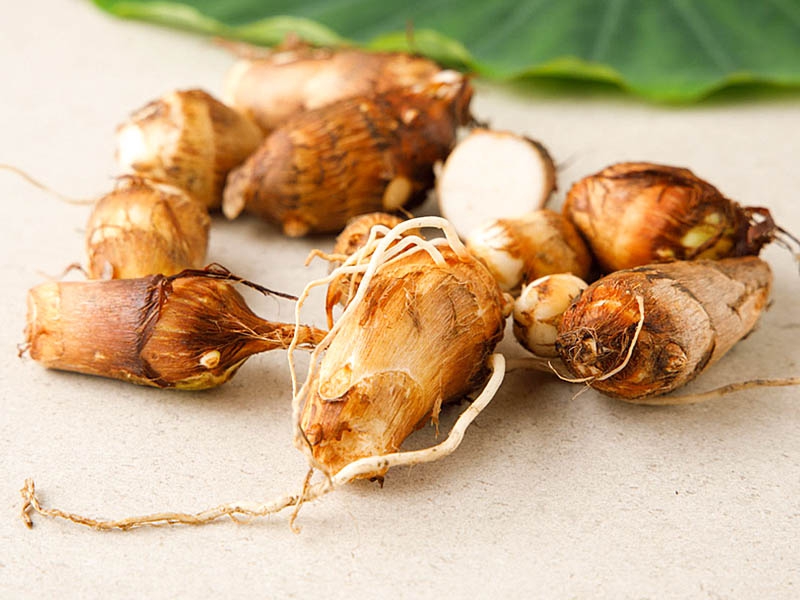
Taro (Colocasia esculenta) is a plant primarily cultivated in subtropical and tropical climates and is one of the representative root vegetables. Below is information regarding the growth characteristics, propagation methods, cultivation methods, garden uses, and major pests and diseases and control methods. Growth Characteristics - Climate: It thrives in warm and humid climates. Temperatures of 20–30°C are suitable, but caution is required during winter as it can suffer frost damage. - Soil: It prefers high-quality, well-drained soil. Slightly acidic to neutral soil is more appropriate than acidic soil. - Moisture: Sufficient water supply is important; well-drained soil and regular watering are required. Propagation Methods - Bulbs: Taro is mainly propagated by bulbs (root stems). It is important to select and plant healthy bulbs. - Hydroponics: Hydroponic cultivation is also possible in some cases. This method involves developing roots underwater before planting. Cultivation Method - Sowing Time: Spring is the optimal time; it is best to plant after the ground has thawed and the frost has passed. - Planting Method: Plant the bulbs at a depth of approximately 5–10 cm. Maintain a spacing of about 30–45 cm. - Care: Regular watering and weed removal are necessary. Regarding fertilizer, it is recommended to apply nitrogen fertilizer in the early growing season and phosphorus and potassium fertilizers in the later stages. Garden Uses - Ornamental: Its large, broad leaves are beautiful, making it popular for garden decoration. - Edible: Not only the bulbs but also the tender leaves can be used as a culinary ingredient. Major Pests and Diseases & Control Methods - Diseases: Brown spot and powdery mildew may occur; proper ventilation and drainage are important. - Control: If disease occurs, use fungicides and remove the diseased parts. - Pests: Flea beetles, snails, and aphids may occur. - Pest Control: Physical removal or eco-friendly control methods (using organic pesticides or fertilizers) can be considered. Although growing taro requires some effort and care, it is a plant that possesses both value as a root vegetable and appeal as a garden ornament.
Plant Family
Araceae
Height
1~2m
Colors
green
Bloom Period
May to September
Water Needs
commonly
Exposure
Sunny
Freezing Resistance
-2°C
Nahansong and Grandiflora
Collomia grandiflora
Large taro 'Thailand Giant'
Colocasia gigantea
'Thailand Giant'