Chelsea Flower Show 2026 Unveils Lineup of Major Gardens Featuring Climate and Biodiversity Design
2026-04-03 14,892
The Royal Horticultural Society (RHS) recently announced plans for the major show gardens of the Chelsea Flower Show 2026. The unveiled lineup clearly reflects contemporary garden design agendas such as climate resilience, habitat creation, and community healing.
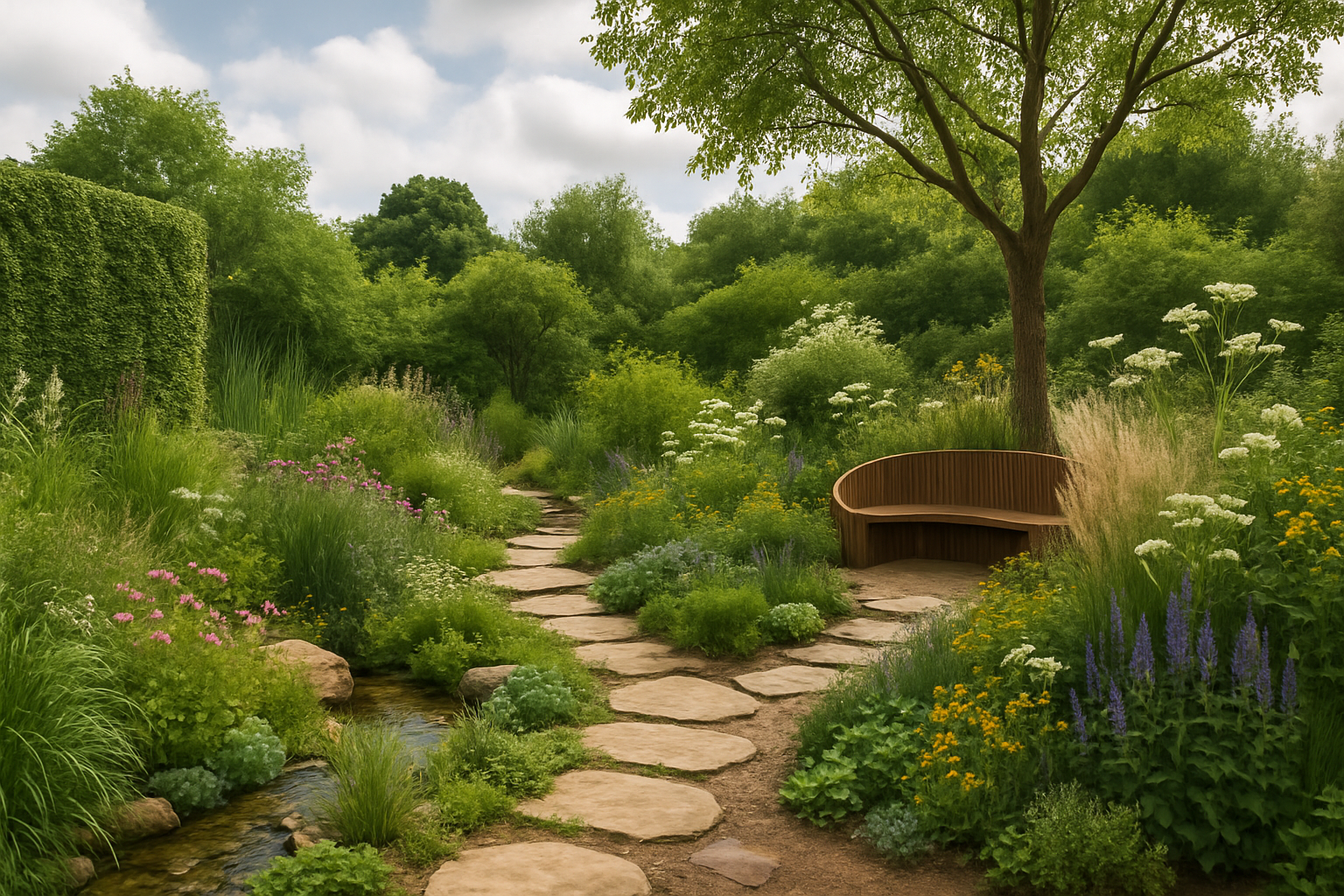
Representative image related to the Chelsea Flower Show recently announced by the RHS. (Source: Royal Horticultural Society)
The Royal Horticultural Society recently unveiled the lineup of key show gardens and designers for the 2026 RHS Chelsea Flower Show on its official website. Chelsea is one of the most influential events in the global garden industry, and the themes and planting strategies of the participating gardens are frequently cited as indicators for gauging future trends in public gardens, commercial landscaping, and urban greening projects.
The prominent themes in this announcement are climate adaptation and biodiversity. The RHS explained that for the upcoming show, it is placing emphasis on nature-friendly planting, support for pollinators, structural landscaping with high habitat value, and the creation of resource-saving gardens. This aligns with the recent trend across Europe of rapidly spreading garden designs that respond to heatwaves, torrential rains, and soil stress.
Chelsea's design direction is noteworthy for aiming for policy and educational effects beyond mere aesthetic competition. The RHS has consistently expanded instances where show gardens are relocated or repurposed into community spaces or public destinations after events conclude, thereby encouraging exhibition gardens to function as long-term social infrastructure rather than one-off installations. The recently unveiled 2026 lineup also emphasizes social agendas such as healing, community accessibility, and environmental education.
The gardening industry anticipates that Chelsea's announcement will influence plant selection and maintenance practices. This is because perennial plantings that withstand drought and rainfall fluctuations, mixed plantings with diverse layers, and wildlife-friendly structures are gaining more traction than high-intensity floral displays. In fact, the RHS presents sustainable horticulture and wildlife support as one of its key institutional goals through its official content.
The significance of this news lies in the fact that Chelsea has reaffirmed the direction of international garden discourse, going beyond a simple event announcement. Although the show is known for its spectacular exhibition gardens, recent announcements demonstrate that "enduring gardens" and "shared gardens" are now becoming central values, rather than just "gardens for show." The next key point to watch at the 2026 main event is how this design language will be realized through planting combinations and spatial interpretation.