English
한국어
English
Español
中文
हिंदी
Home
News
Community
Dictionary
English
한국어
English
Español
中文
हिंदी
View list
Equisetin Ephedra
Ephedra equisetina
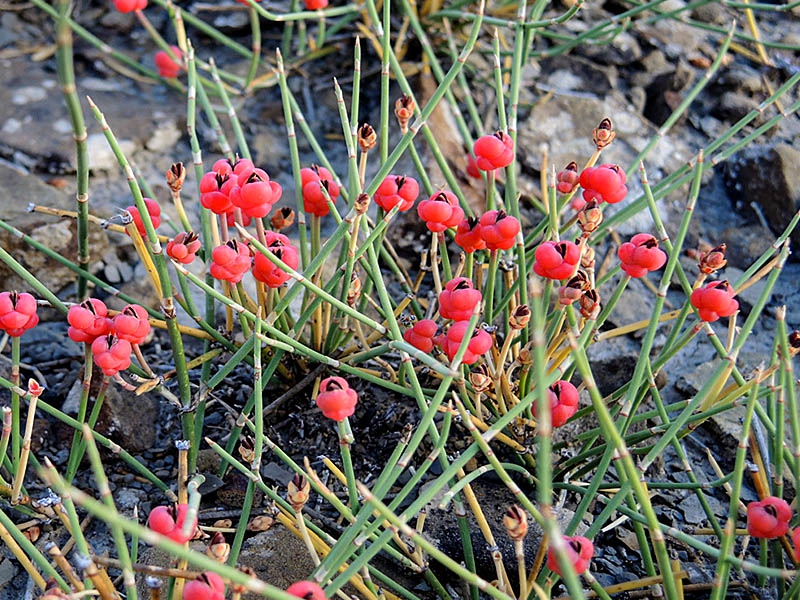
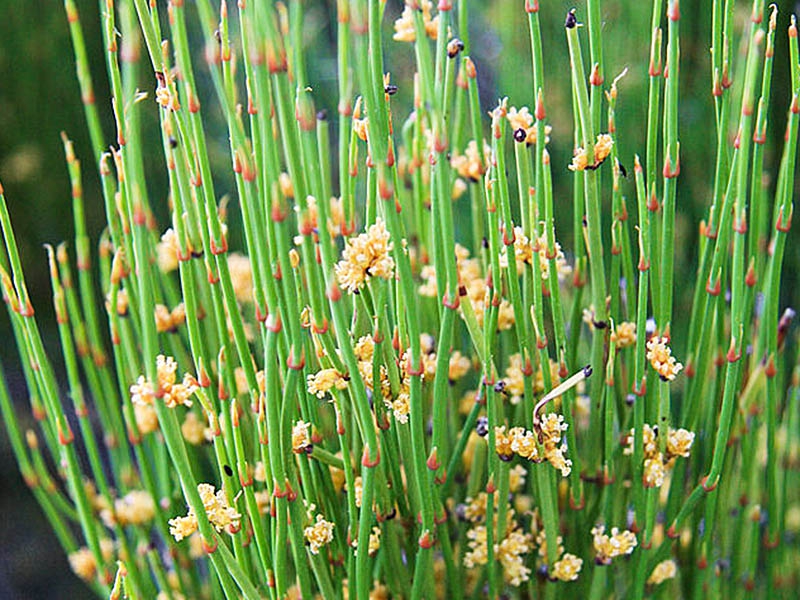
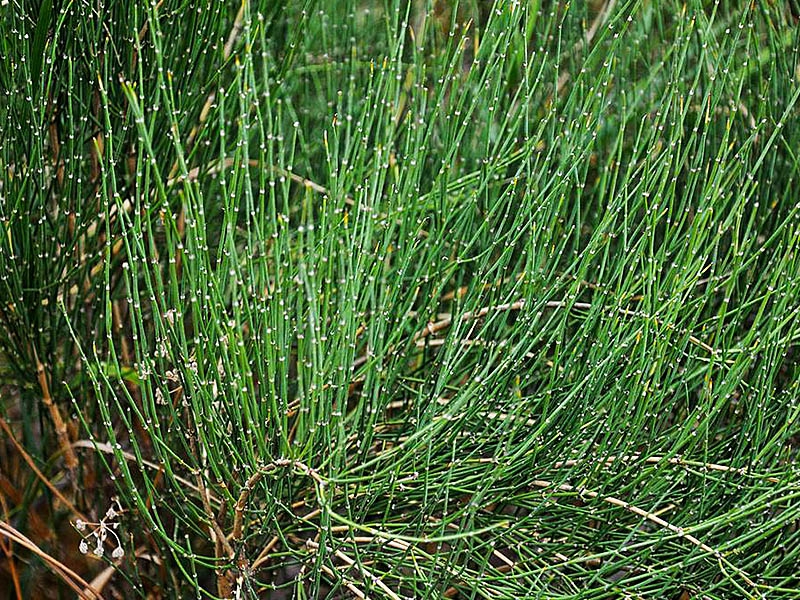
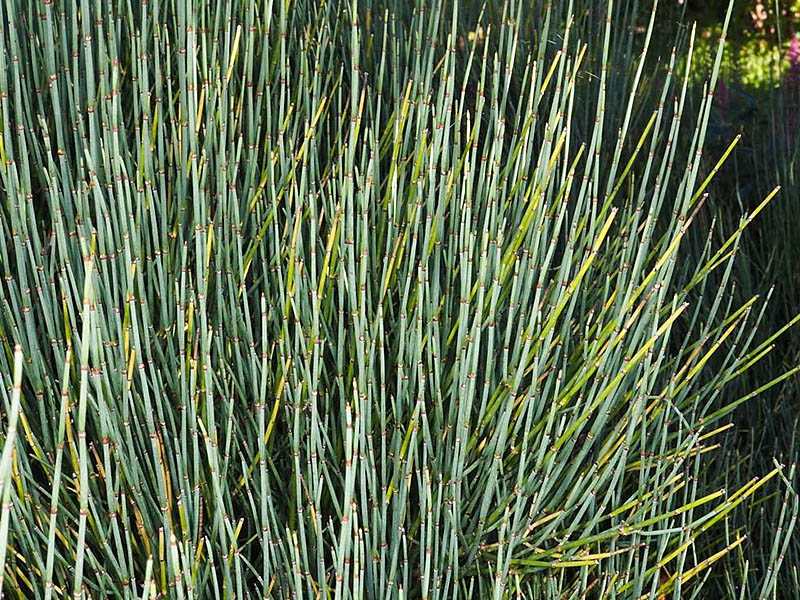
Ephedra equisetina has traditionally been used as a medicinal plant. Below, we will describe its growth characteristics, propagation methods, cultivation techniques, garden uses, and major pests and diseases, as well as control methods. Growth Characteristics - Habitat: Ephedra equisetina thrives in dry, sunny regions. It is commonly found in deserts and steppe areas and prefers well-drained soil. - Growth Characteristics: It is a perennial herbaceous plant or shrub that grows to a height of approximately 30 to 60 cm. The stems are green and segmented, and the leaves are small and modified to resemble scales. Propagation Methods - Seed Propagation: Harvested seeds can be sown immediately in the autumn or sown in the spring after cold treatment. - Cuttings: Propagation is possible via stem cuttings, which are primarily performed in the spring. A stem from the parent plant can be cut and planted near the taproot to encourage rooting. Cultivation Method - Soil: Well-drained sandy loam is suitable, and it prefers neutral or slightly acidic soil. - Watering: It thrives in dry environments, so care must be taken to avoid overwatering. When watering, moisten thoroughly but avoid excessive moisture. - Fertilizer: Generally, it does not require much fertilizer, but an appropriate amount of slow-release fertilizer can be used during the early growth stage or if growth is sluggish. Garden Use - Landscaping: Ephedra equisetina is also useful for landscaping. It is suitable for use at forest edges or in rock gardens to block shade. When arranged harmoniously with other plants, it is visually attractive. Important Pests and Control Methods - Pests and Diseases: Ephedra equisetina is resistant to specific pests and diseases, but fungal diseases may occur if the environment is too wet. - Control Methods: To prevent fungal diseases, plant in a well-ventilated area, and use appropriate pesticides if necessary. To strengthen resistance to disease, avoid overwatering and immediately remove any diseased parts. Ephedra Equisetina is relatively easy to care for and can be used in various ways in the garden due to its unique appearance. Healthy growth can be promoted through disease prevention and proper care.
Plant Family
Ephedra and
Height
90~180cm
Spread
90~180cm
Colors
red
Bloom Period
March to August
Water Needs
commonly
Exposure
Sunny
Freezing Resistance
-30°C
Sinica Ephedra
Ephedra sinica
Epidendrum stampordianum
Epidendrum stamfordianum