English
한국어
English
Español
中文
हिंदी
Home
News
Community
Dictionary
English
한국어
English
Español
中文
हिंदी
View list
Needle flower
Epilobium pyrricholophum
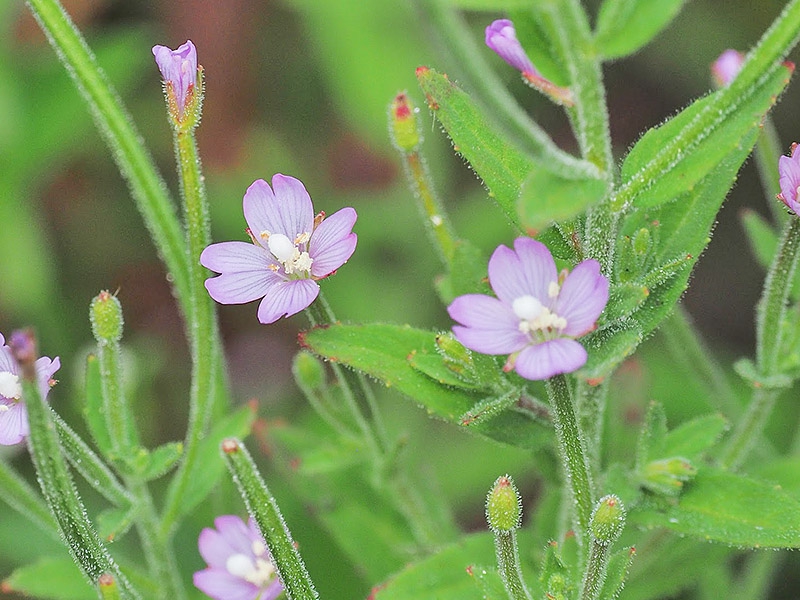
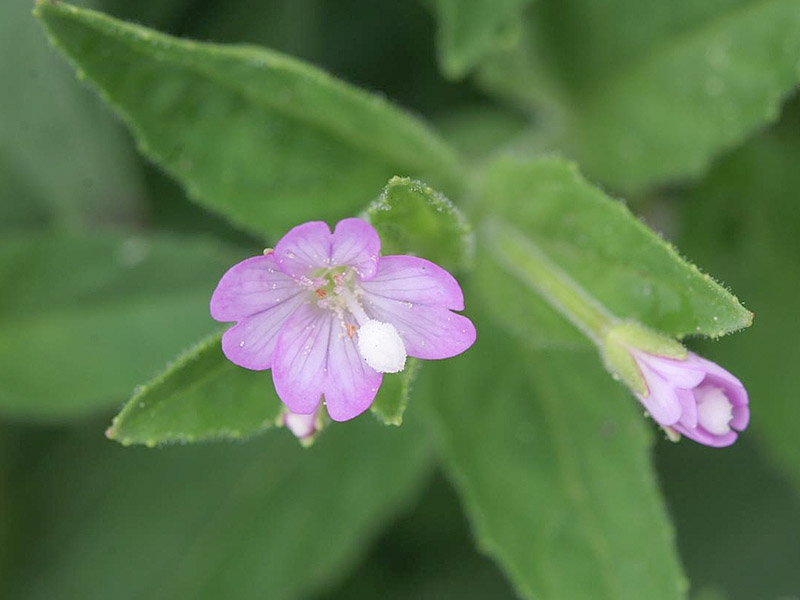
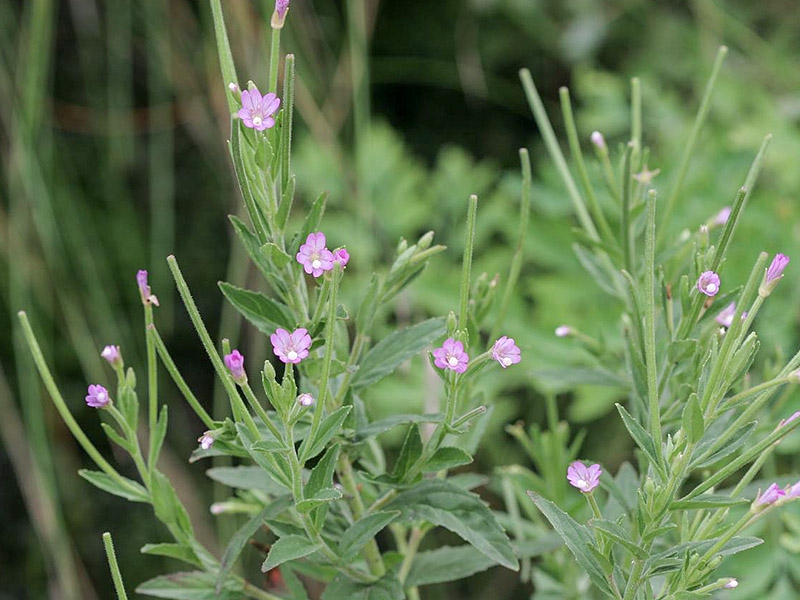
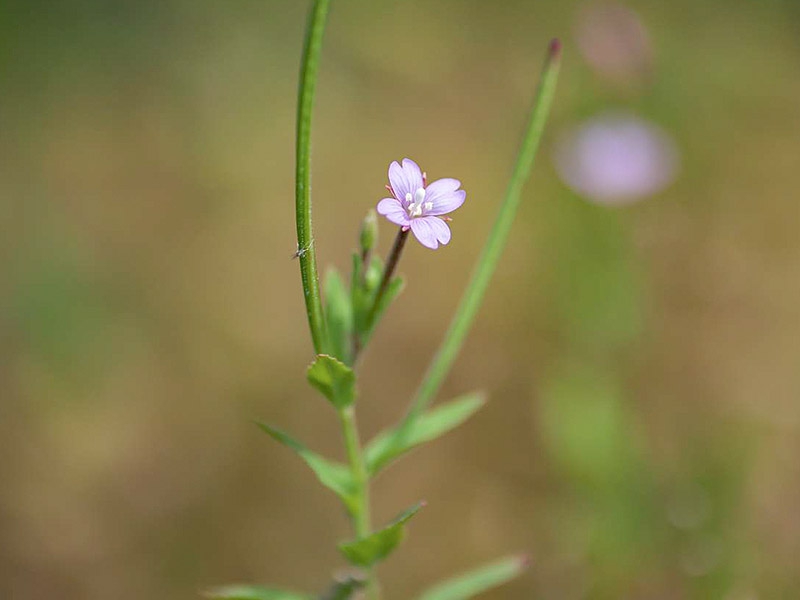
Forsythia (Epilobium pyrricholophum) Growth Characteristics This is a perennial herbaceous plant that produces small pink or purple flowers and thrives primarily in moist areas. While it prefers full sunlight, it can also grow in partial shade. Propagation Methods It is mainly propagated by seeds and root division. Seeds can be sown directly in spring or autumn, while root division is mainly done in spring. Cultivation Methods - Soil: It grows well in well-drained soil, and it is best to maintain an acidic to neutral pH. - Watering: Water to maintain adequate moisture, taking care to prevent the soil from drying out. - Fertilizer: Avoid excessive fertilizer use and provide an appropriate amount of organic fertilizer during the growing season. Garden Use It is excellent for planting along the borders of shaded gardens or around wetlands. It is suitable for creating a natural-looking garden and pairs well with other wildflowers. Important Pests and Diseases and Control Methods - Diseases: As it is susceptible to fungal and mold diseases, ensure good ventilation and avoid excessive moisture. - Pests: It may be damaged by aphids; if necessary, control them using soapy water or eco-friendly insecticides. Effective care of Japanese knotweed in the garden requires periodic observation and proper management. You can maintain the plant in a healthy state through correct cultivation methods and pest and disease prevention.
Plant Family
Onagraceae
Height
30~90cm
Colors
pink
Bloom Period
July~August
Water Needs
commonly
Exposure
Sunny
Freezing Resistance
-30°C
Epidendrum fragranche
Epidendrum fragrance
Willow needle flower
Epilobium palustre