English
한국어
English
Español
中文
हिंदी
Home
News
Community
Dictionary
English
한국어
English
Español
中文
हिंदी
View list
Willow needle flower
Epilobium palustre
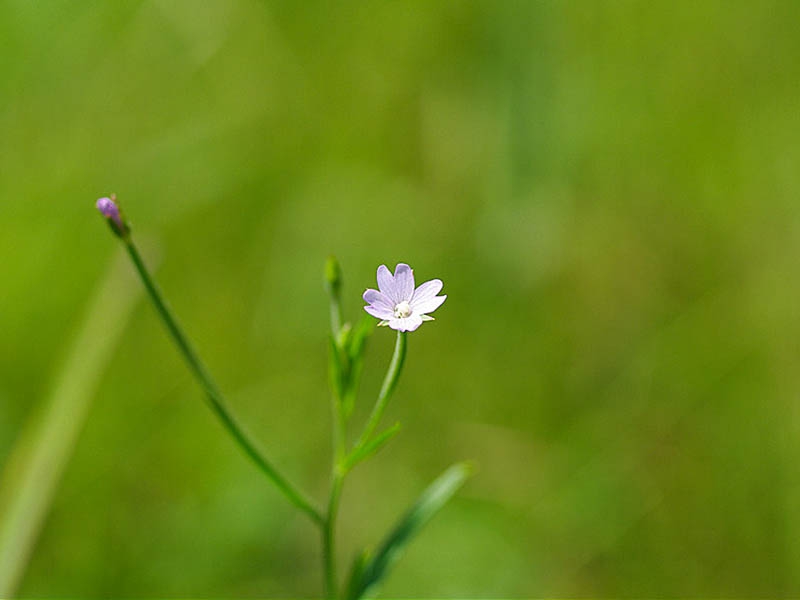
Epilobium palustre var. lavandulaefolium is a perennial herbaceous plant that thrives in wetland areas. The following describes the plant's growth characteristics, propagation methods, cultivation methods, garden uses, and major pests and diseases, as well as control methods. Growth Characteristics: Epilobium palustre var. lavandulaefolium grows best in moist soil and also thrives in partially shaded areas. It grows in slightly acidic soil and typically reaches a height of 30 to 60 cm. It blooms with pale pink or purple flowers in the summer. Propagation Methods: This plant can be propagated by seeds or root division. For seed propagation, sow directly in spring or autumn, or germinate indoors before planting. Root division involves carefully cutting off a parent plant in early spring or autumn and planting it in a new location. Cultivation Method: When cultivating, select well-drained, moist soil, and ensure a consistent watering supply. Care must be taken, as excessively dry conditions can inhibit growth. Garden Use: It is well-suited for wetland gardens or aquatic gardens, creating a natural-looking landscape. Planting it mixed with various herbaceous plants can result in a colorful garden. Important Pests and Control Methods: Generally, it possesses strong resistance and is well-resistant to pests; however, root rot can occur due to excessive moisture. If the disease occurs, transplant the plant to well-drained soil and adjust watering. Additionally, keep the surrounding area clean to protect against pests, and insecticides may be used if necessary.
Plant Family
Onagraceae
Height
10~60cm
Colors
white, pink
Bloom Period
July~August
Water Needs
commonly
Exposure
Sunny
Freezing Resistance
-30°C
Needle flower
Epilobium pyrricholophum
large needle flower
Epilobium hirsutum