English
한국어
English
Español
中文
हिंदी
Home
News
Community
Dictionary
English
한국어
English
Español
中文
हिंदी
View list
large needle flower
Epilobium hirsutum
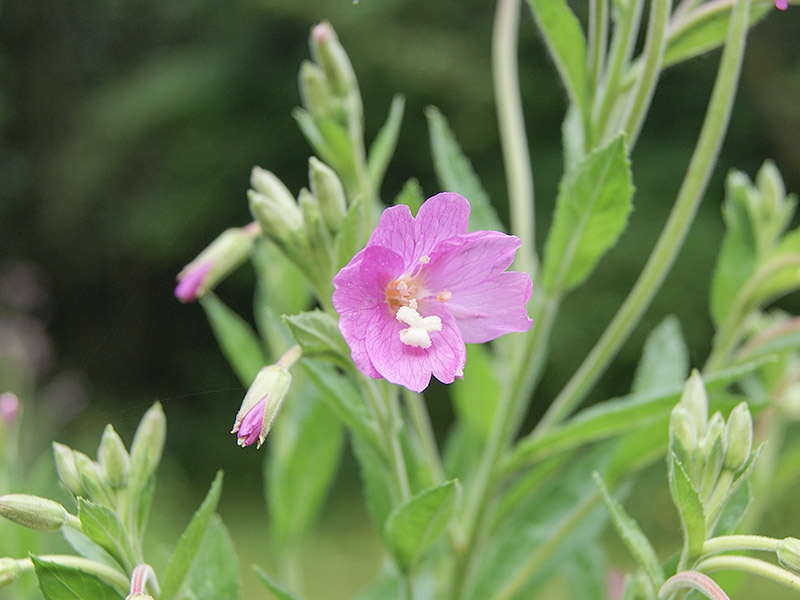
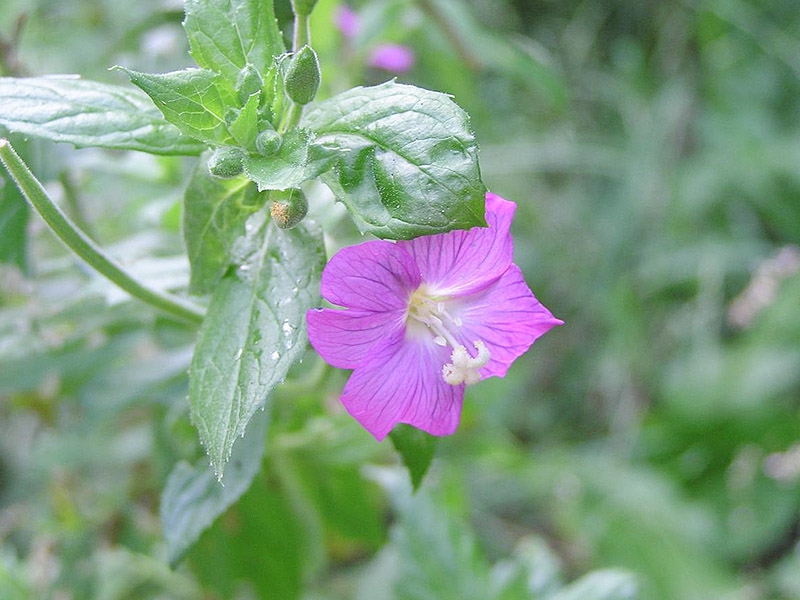
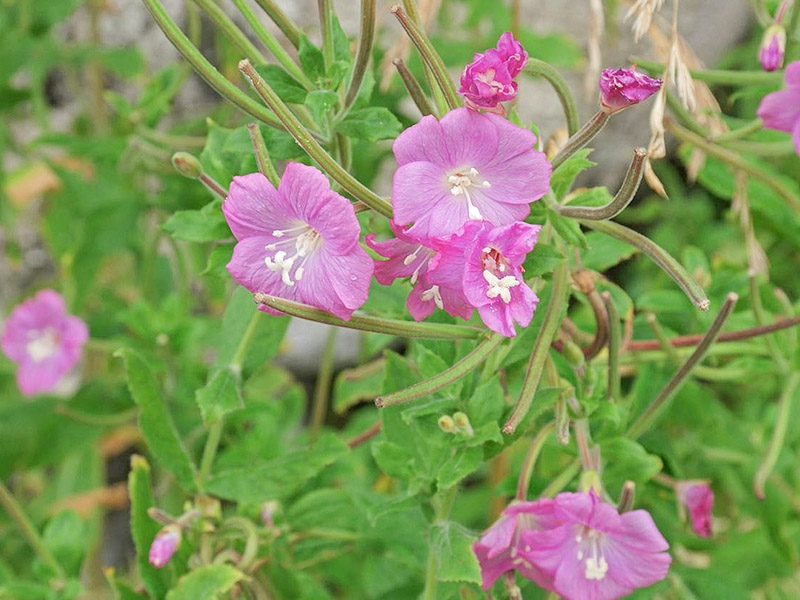
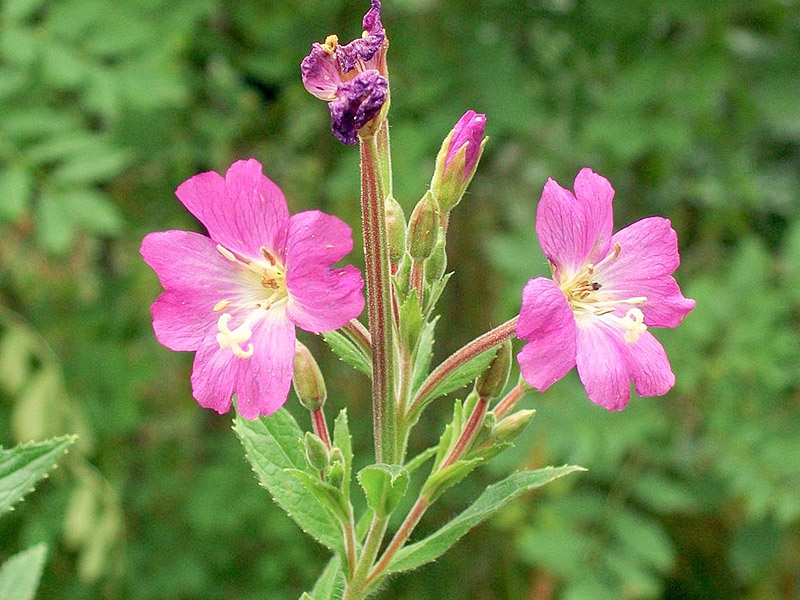
Epilobium hirsutum is a perennial plant that grows primarily in wetlands. Its growth characteristics, propagation methods, and cultivation methods are as follows: Growth Characteristics - Environment: It thrives in sunny or semi-shaded areas and prefers moist soil. - Height: It grows to approximately 1 to 2 meters upon maturity. - Leaves: It has long, narrow, lanceolate leaves covered in fine hairs. - Flowers: It blooms with pink flowers from summer to early autumn. Propagation Methods - Seeds: Propagation by seeds is common. Seeds can be sown directly in late spring or early summer, or germinated indoors and then transplanted. - Root Division: It can also be propagated by dividing tubers or roots. This method is primarily performed in the spring. Cultivation Methods - Soil: It grows well in fertile soil that is well-drained yet retains moisture. - Watering: Regular watering is necessary, but it is best to avoid overwatering, especially during the initial period after installation. - Fertilization: Apply organic or slow-release fertilizers in the spring to promote growth. Uses in Gardens - Primarily used for ornamental purposes; planting it in waterside gardens or along water edges creates a natural landscape. Important Pests and Diseases & Control Methods - Diseases: Diseases causing leaf spots or yellowing of the stems may occur. In this case, ensure good ventilation and use pesticides if necessary. - Pests: Aphids or moth larvae may appear. Upon early detection, wash them off with water or physically remove them using work gloves. In severe cases, use appropriate pesticides. With the above care, you can enjoy a healthy Hyssutum.
Plant Family
Onagraceae
Height
70~100cm
Colors
red, purple, pink
Bloom Period
July~August
Water Needs
commonly
Exposure
Sunny
Freezing Resistance
-30°C
Willow needle flower
Epilobium palustre
small needle flower
Epilobium tenue