English
한국어
English
Español
中文
हिंदी
Home
News
Community
Dictionary
English
한국어
English
Español
中文
हिंदी
View list
small needle flower
Epilobium tenue
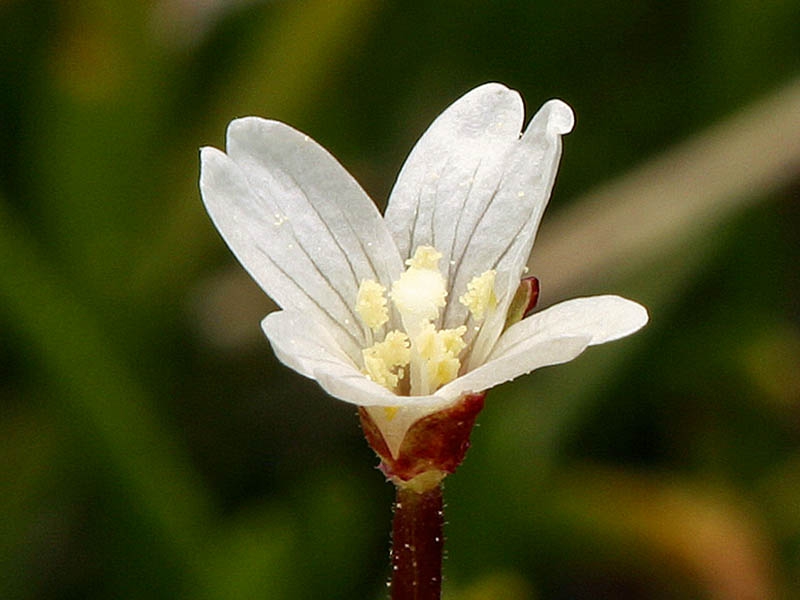
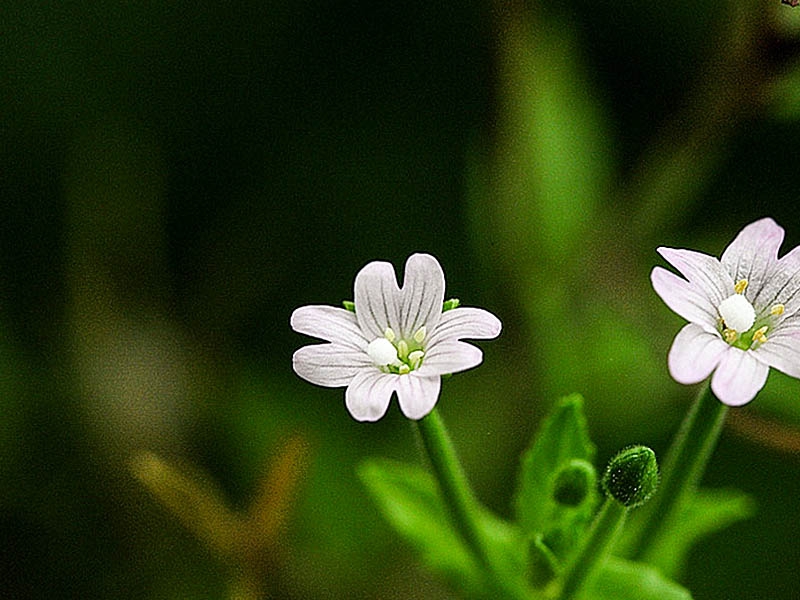
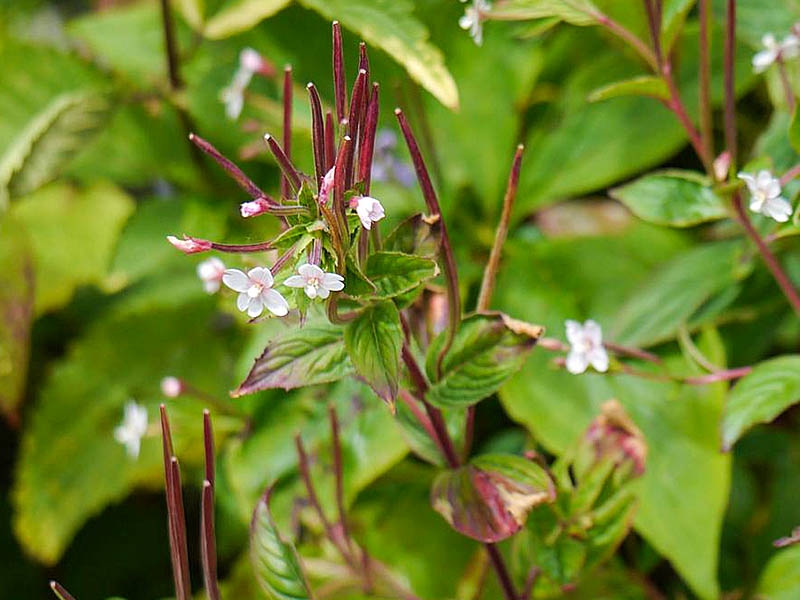
Epilobium tenue has the following growth characteristics, propagation methods, cultivation methods, garden uses, and pest and disease control methods. Growth Characteristics - Ecology: Epilobium tenue is a perennial plant that thrives primarily in damp areas or near water. - Height: It generally grows to a height of 10 to 30 cm. - Flowers: It blooms with small pink flowers from summer to autumn, typically featuring four petals. - Leaves: It has narrow, elongated oval leaves arranged alternately. Propagation Methods - Seeds: It usually propagates by seeds; ripe seeds are harvested and sown immediately or the following spring. - Root Division: It can be propagated by root division in spring or autumn. Cultivation Methods - Soil: It prefers well-drained soil and grows well in high-quality soil with a high organic matter content. - Sunlight: It thrives in partial shade to full sun, and flowers bloom more abundantly in sunny locations. - Watering: It likes water, but overwatering should be avoided. Water regularly during dry periods. Uses in the Garden - Tenbe (Small-leaved Tenbe) is suitable for wetland gardens or wildflower gardens. - Its small size and pink flowers make it ideal for garden edges or rock gardens. Important Pests and Control Methods - Diseases: Mold or fungi may occur if humidity is high. Ensure good ventilation and avoid overwatering. - Pests: Mollusks such as snails are the primary cause of damage. Physical removal or mollusk repellents can be used. - Control Methods: If pests or diseases occur, remove damaged parts and control them using appropriate pesticides. Based on this information, proper care of Tenbe will allow you to grow it healthily in your garden.
Plant Family
Onagraceae
Height
40cm
Colors
orange
Bloom Period
August
Water Needs
commonly
Exposure
semi-shaded area
Freezing Resistance
-30°C
large needle flower
Epilobium hirsutum
needle flower
Epilobium ciliatum