English
한국어
English
Español
中文
हिंदी
Home
News
Community
Dictionary
English
한국어
English
Español
中文
हिंदी
View list
Hoeryeong needle flower
Epilobium fastigiata-ramosum
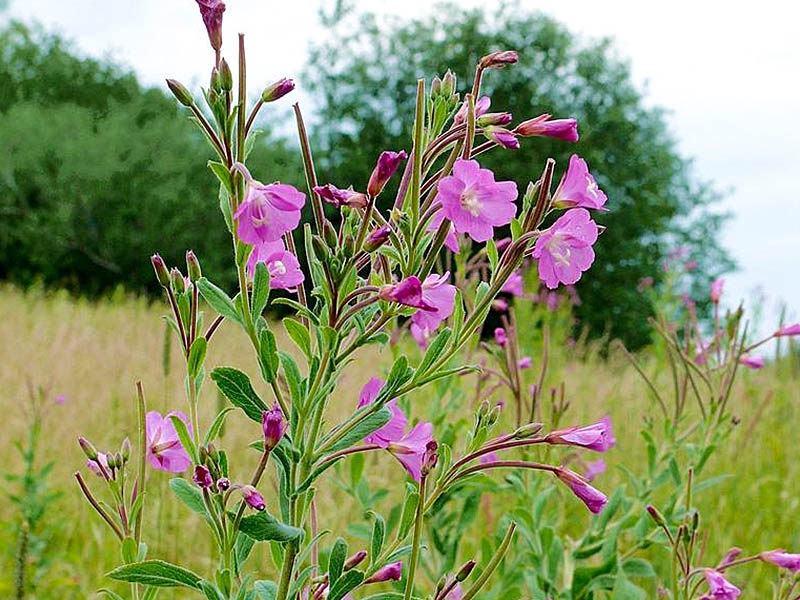
I will explain the growth characteristics, propagation methods, cultivation methods, garden uses, and major pests and diseases and control methods of Epilobium fastigiata-ramosum. Growth Characteristics Epilobium fastigiata generally prefers humid environments and thrives in sunny locations. This plant typically blooms in the summer, boasting beautiful pink or purple flowers. It grows well in moist soil and can reach a height of 30 cm to 1 m. Propagation Methods Propagation by seeds is the most common method. Seeds are sown from late spring to early summer, and they germinate after about 2 to 4 weeks. In addition to seed propagation, propagation is also possible through root cuttings. Cultivation Methods - Soil and Location Selection: Select well-drained, moist soil and plant in a location with ample sunlight. - Watering: Ensure adequate moisture is maintained. Be careful not to overwater, as this can lead to problems such as root rot. - Fertilizer: Provide an appropriate amount of fertilizer during the spring growing season. Uses in the GardenIn the garden, it can primarily be used as a background plant or to create borders. Its unique flower colors can add variety to your garden. Planting it alongside other plants of varying heights allows for diverse garden designs. Important Pests and Control Methods - Diseases: While the Hoeryeong Needle Flower is generally resistant to disease, it may contract fungal diseases if there is excessive moisture. In such cases, ensure good drainage and use antimicrobial agents if necessary. - Pests: Pests such as aphids may occur. To prevent this, inspect the leaves regularly and use insecticides if necessary. We hope the information above helps you in cultivating and caring for the Hoeryeong Needle Flower.
Plant Family
Onagraceae
Height
20~60cm
Colors
amethyst
Bloom Period
June~July
Water Needs
commonly
Exposure
semi-shaded area
Freezing Resistance
-30°C
needle flower
Epilobium ciliatum
Stone needle flower
Epilobium amurense
subsp.
cephalostigma