English
한국어
English
Español
中文
हिंदी
Home
News
Community
Dictionary
English
한국어
English
Español
中文
हिंदी
View list
David's Trichosanthes
Epimedium davidii
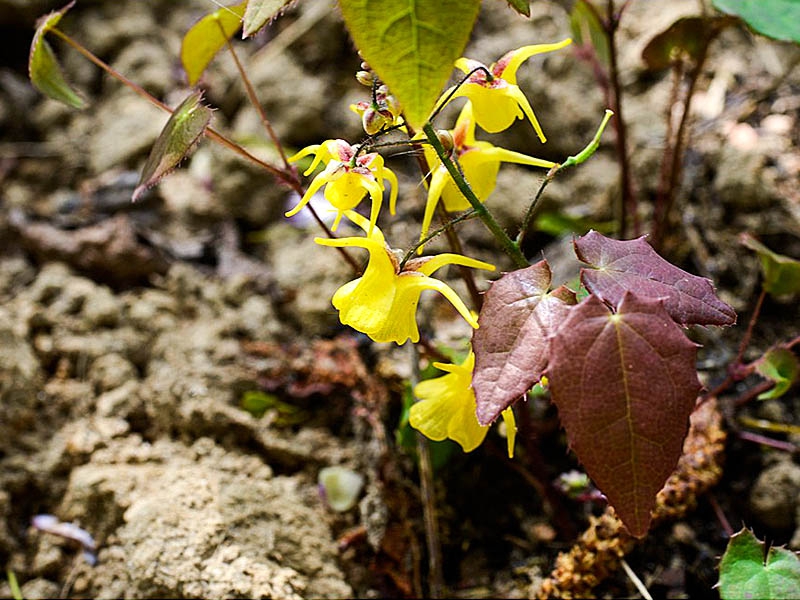
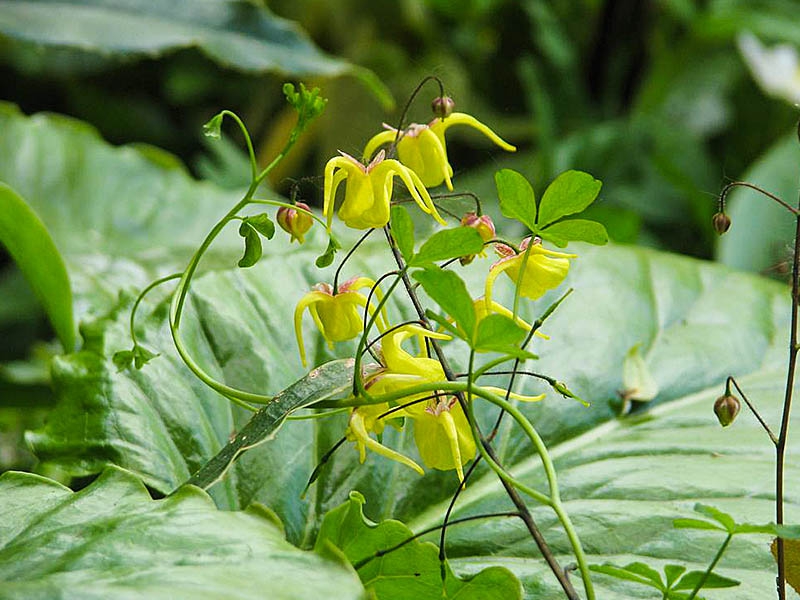
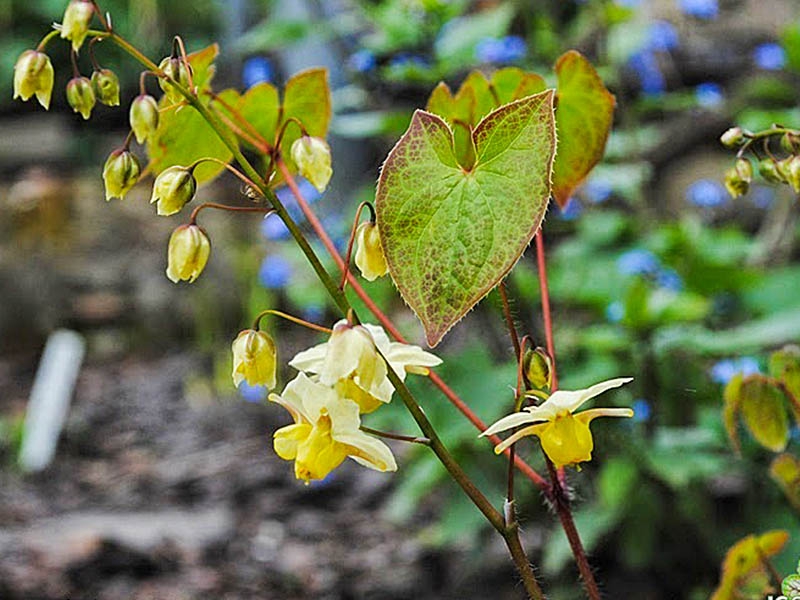
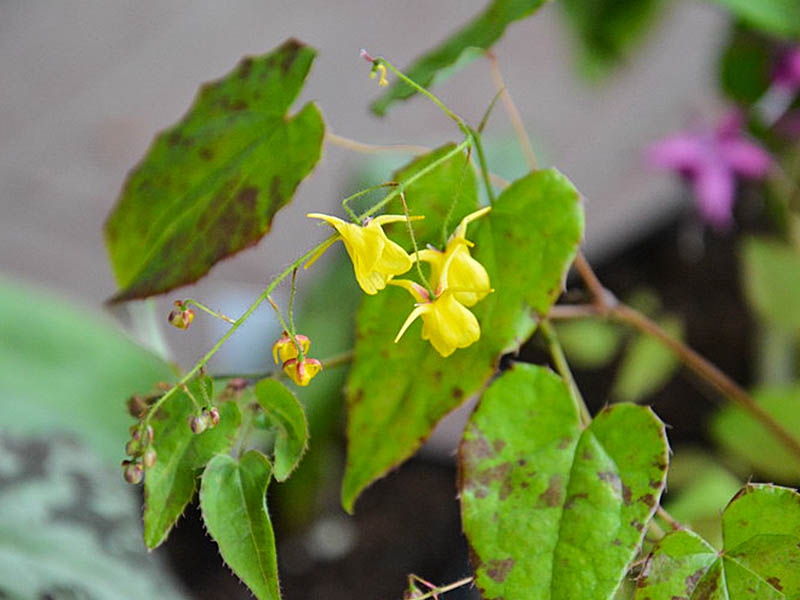
Growth Characteristics of Epimedium davidii - Growing Environment: Epimedium davidii thrives primarily in temperate climates and prefers shady, moist conditions. It prefers partial shade over strong sunlight, growing well in forests or under trees. - Botanical Characteristics: This plant is a perennial herbaceous plant, with new leaves and flower stalks emerging from the rhizomes. The leaves are triangular in shape and often have serrated edges. Propagation Methods - Seeds: It can be propagated by seeds, but the germination rate is relatively low. It is best to sow seeds immediately when they are in good condition. - Division: Divide the rhizomes in spring or autumn. This is a more effective and faster method of propagation than seeds. Cultivation Methods - Soil Preparation: Prepare soil that is rich in organic matter and well-drained. Slightly acidic soil with a pH of 6.0–7.0 is suitable. - Planting: Plant the divided rhizomes in spring or autumn. When planting, plant at a depth of 2-3 cm to ensure the rhizomes are well covered. - Watering: Water thoroughly initially, and then take care to keep the soil from drying out. Avoid overwatering. - Fertilization: Applying biodegradable organic fertilizer in the spring helps with growth. Uses in the Garden - David's Epimedium is excellent for use as a ground cover in shady gardens or under trees. The harmony of its multicolored leaves and flowers creates a superior decorative effect. Important Pests and Control Methods - Diseases: There are no particularly common diseases, but root rot may occur if the soil becomes waterlogged. Maintain well-drained soil to prevent this. - Pests: Damage from pests is generally minimal. However, aphids or snails may appear, which can be controlled using organic insecticides. - Control Methods: Regularly check the condition of the plant and take preventive measures before problems arise. For example, manage it carefully so that water does not pool on the leaves.
Plant Family
Berberidaceae
Height
50cm
Spread
50cm
Colors
yellow
Bloom Period
April~May
Water Needs
commonly
Exposure
Sunny
Freezing Resistance
-20°C
Red Trichosanthes
Epimedium
×
rubrum
Chicken orchid
Epipactis thunbergii