English
한국어
English
Español
中文
हिंदी
Home
News
Community
Dictionary
English
한국어
English
Español
中文
हिंदी
View list
Palustris
Epipactis palustris
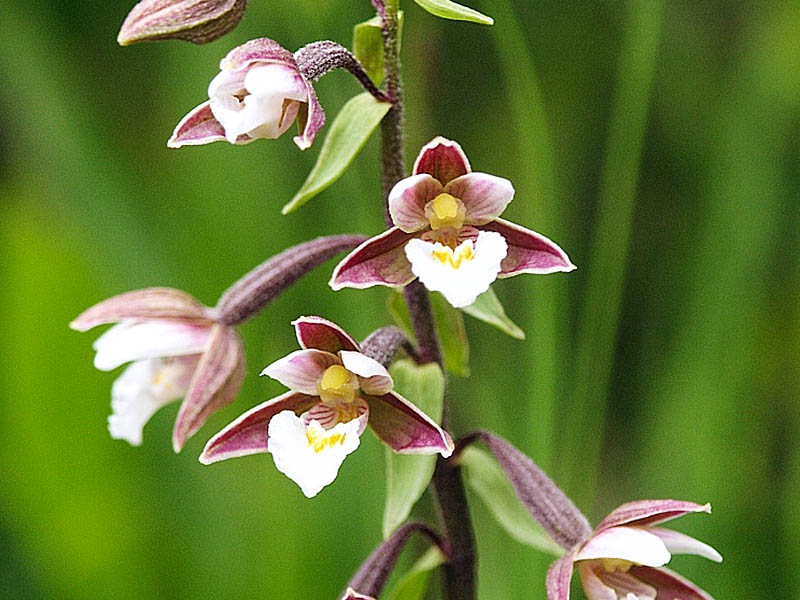
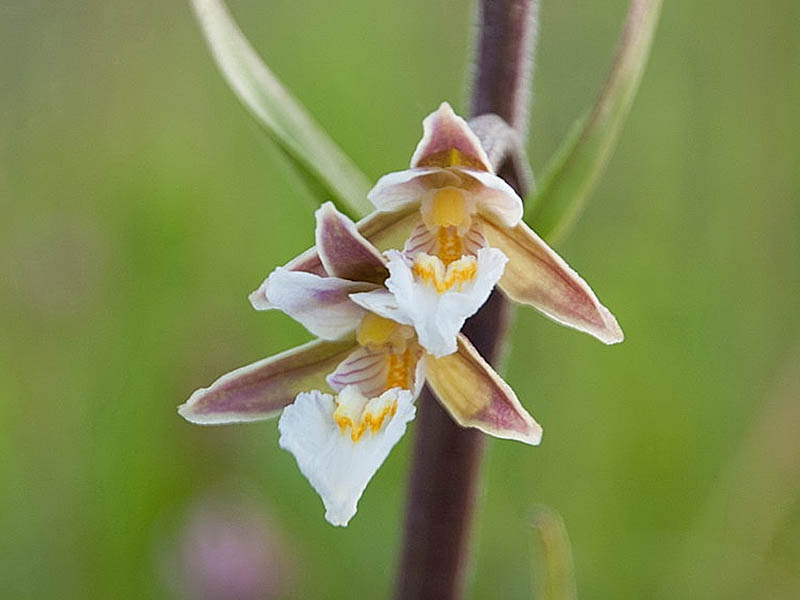
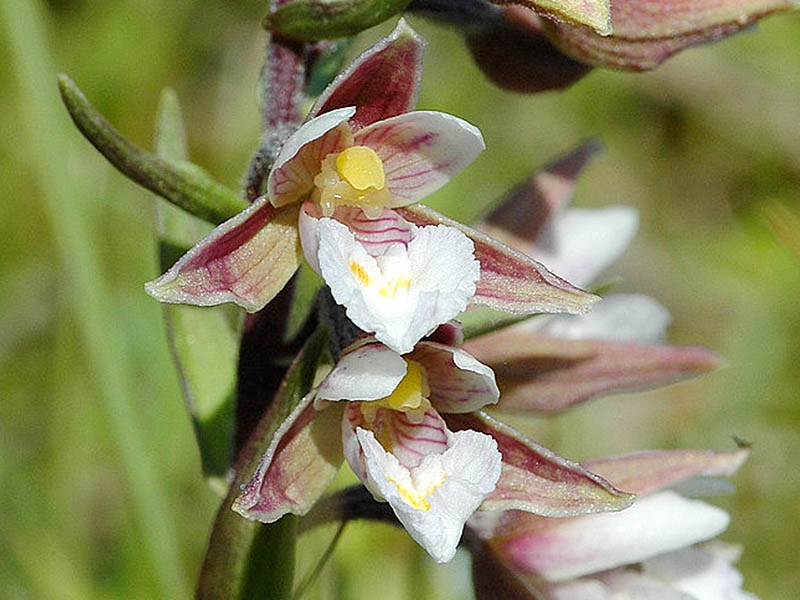
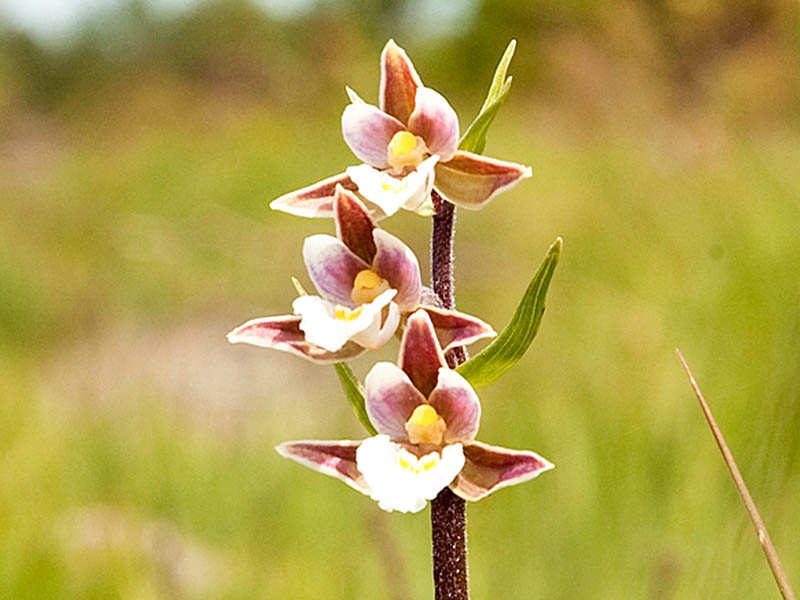
Growth Characteristics of Epipactis palustris Epipactis palustris is an orchid that thrives in wetlands or moist grasslands. It grows to a height of approximately 20 to 60 cm and features long, slender leaves and stems. Spike-shaped inflorescences form in the summer, and the flowers typically display distinct pink or brown patterns on a white background. It prefers cool, humid conditions and favors slightly shaded environments rather than direct, strong sunlight. Propagation Methods Epipactis palustris can primarily be propagated by seeds and root division. Seed germination is relatively difficult as it requires interaction with synergistic microorganisms. Root division is a method of carefully dividing and planting the roots of a mature plant. The optimal time is early spring, after the plant's dormancy ends and before growth resumes. Cultivation Methods - Cultivation Environment: Since it grows well in soil with sufficient moisture, wetlands or locations where water can pool are suitable. Caution is required in areas with poor drainage or where water may be present. - Soil: Well-drained, slightly acidic to neutral soil is ideal. It is recommended to prepare a potting mix by mixing a small amount of sand with organic matter. - Planting: When planting, cover the roots sufficiently and water regularly to ensure the soil remains sufficiently moist. - Care: Water frequently to maintain constant moisture. During the summer, it is advisable to provide some shade to protect the plant from strong sunlight. Uses in the Garden Palustris is suitable for wetland gardens or nature-friendly gardens and harmonizes well when placed alongside other wetland plants. It can also be planted in moist flowerbeds or near water sources to provide a decorative effect. Important Pests and Control Methods Palustris is generally resistant to pests and diseases, but fungal diseases may occur in hot and humid environments. 1. Fungal Diseases: Remove infected parts and ensure good ventilation; you may also use fungicides preventively. - Pests: While pest damage is generally minimal, if pests such as aphids or silkworm moths are found, you can cut off the living parts and apply pesticides. With consistent observation and proper care, you can grow the Palustris (Cypripedium calceolus) beautifully in your garden.
Plant Family
Orchid family
Height
30~60cm
Spread
30~60cm
Colors
white
Bloom Period
June to August
Water Needs
commonly
Exposure
Sunny
Freezing Resistance
-10°C
Blue Orchid
Epipactis papillosa
Hellebore
Epipactis helleborine