English
한국어
English
Español
中文
हिंदी
Home
News
Community
Dictionary
English
한국어
English
Español
中文
हिंदी
View list
Dogwood
Equisetum palustre
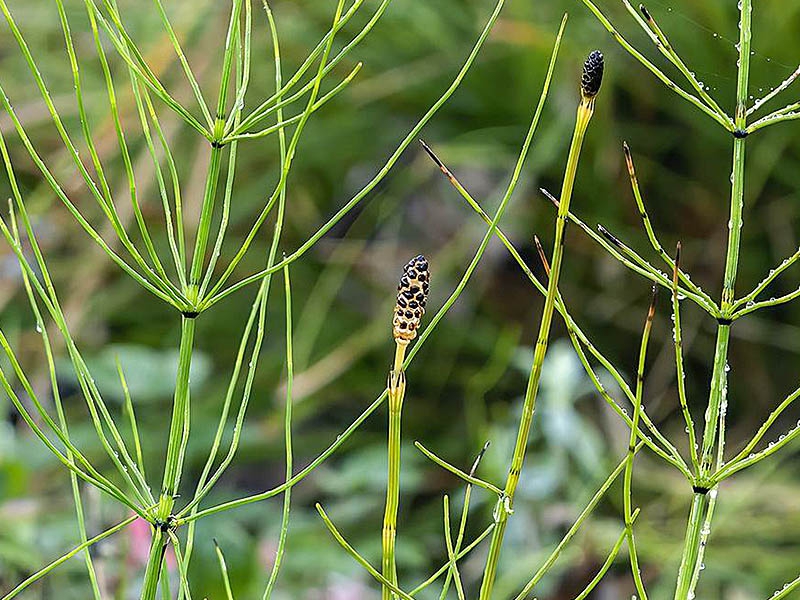
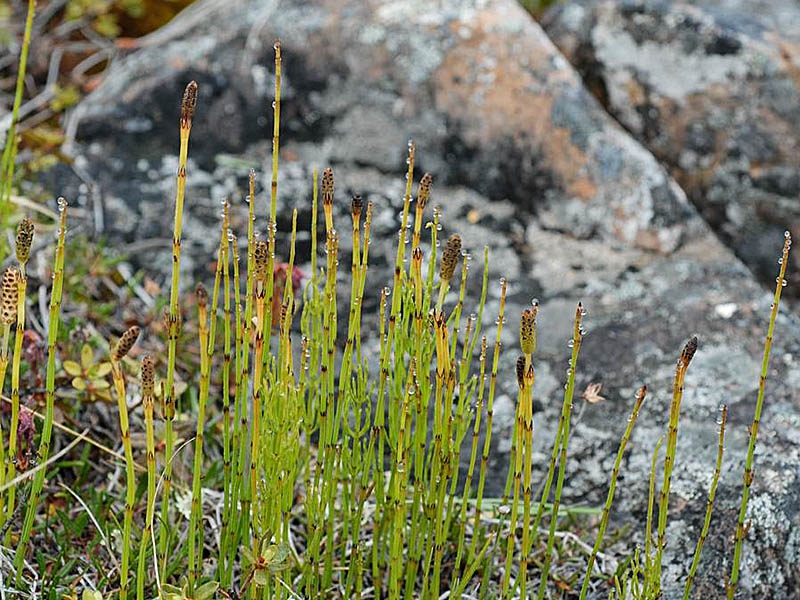
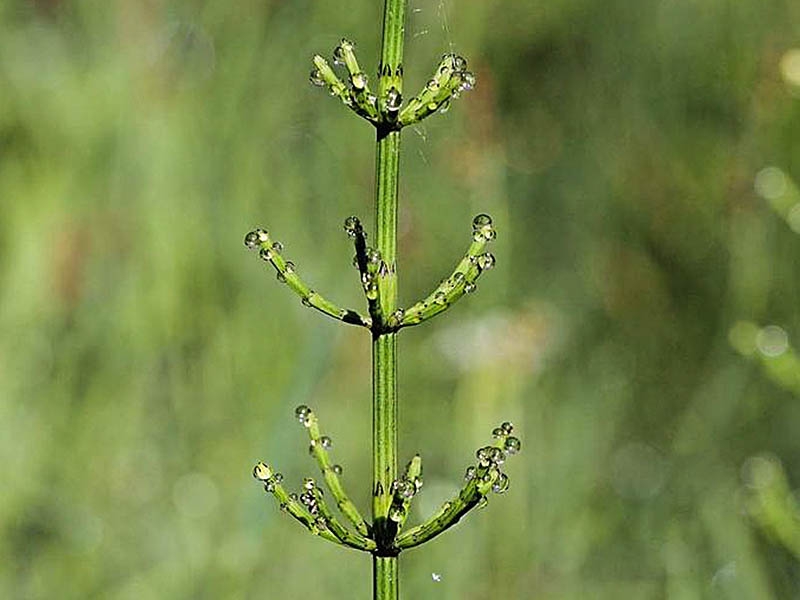
Equisetum palustre is a perennial plant that grows in wetlands or along pond edges. It grows to a height of approximately 10 to 50 cm and prefers moist soil. The stems have distinct nodes and are dark green in color. Growth Characteristics: - Environment: Equisetum palustre thrives in humid environments. Pond edges or damp grasslands are ideal locations. - Soil: It grows well in well-drained soil that retains moisture. Propagation Methods: - Spore Propagation: Equisetum palustre primarily reproduces by spores. Spores are released during the warm spring or early summer. - Division Propagation: Dividing root clumps is also a useful method for propagation. Cultivation Methods: - Equisetum palustre is easy to cultivate and requires minimal maintenance. However, caution is needed as growth may be inhibited in excessively dry environments. - Water sufficiently to maintain constant moisture. Uses in the Garden: - Decorative Use: With its unique stem shape and texture, the common horsetail adds a decorative effect, enhancing the natural feel of the garden. - Planting Around Ponds: It thrives in humid environments, making it suitable for planting around ponds. Important Pests and Control Methods: - While the common horsetail is generally resistant to pests, it may occasionally be damaged by aphids or scale insects. - Control Methods: Pests can be physically removed by periodically washing with water or by using organic insecticides. Regular observation and maintenance are essential. When introducing the common horsetail into the garden, be mindful of its reproductive capacity and take care to prevent it from spreading to areas where it is not needed.
Plant Family
Horsetail family
Height
20∼60cm
Colors
brown
Bloom Period
July~August (spore period)
Water Needs
commonly
Exposure
Sunny
Freezing Resistance
-30°C
Water lock crouching
Equisetum pratense
Waterfowl
Equisetum fluviatile