English
한국어
English
Español
中文
हिंदी
Home
News
Community
Dictionary
English
한국어
English
Español
中文
हिंदी
View list
Waterfowl
Equisetum fluviatile
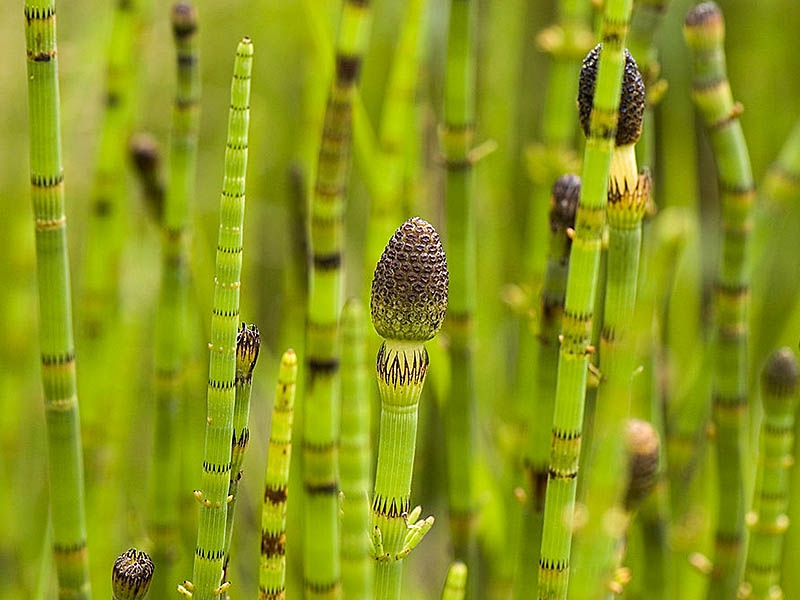
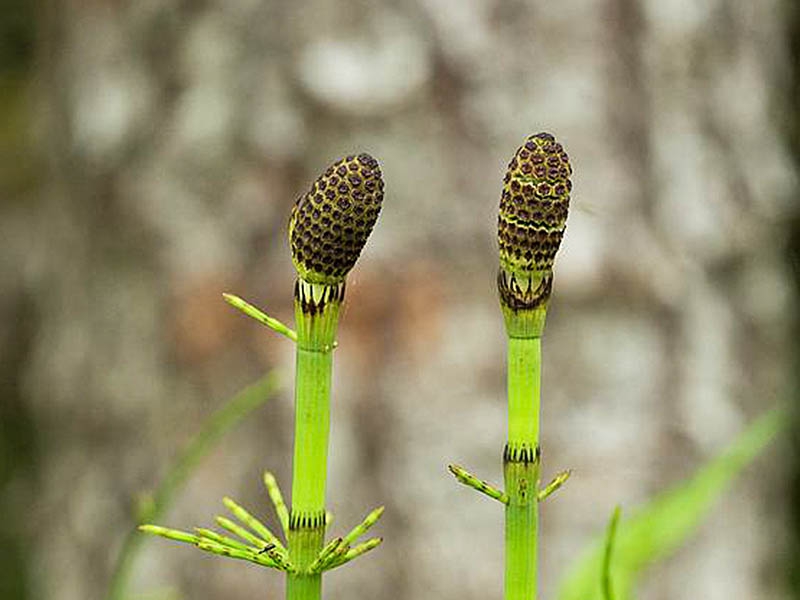
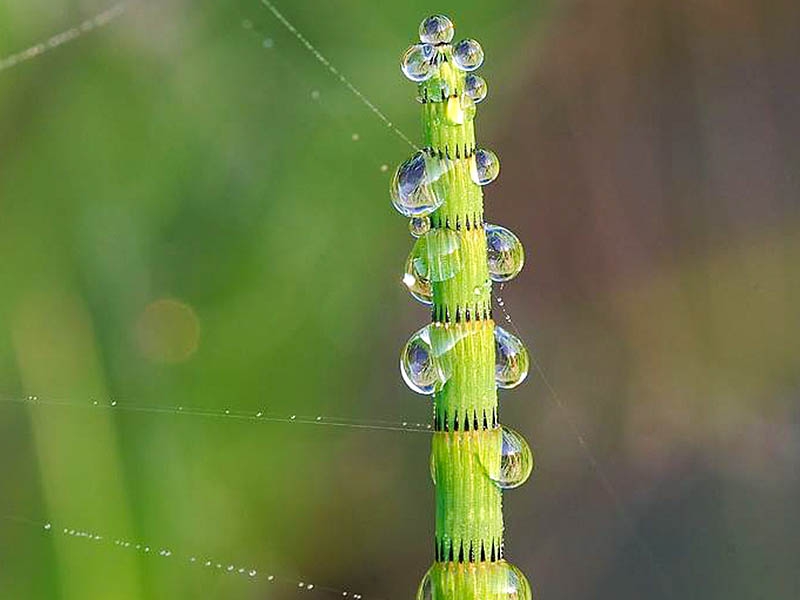
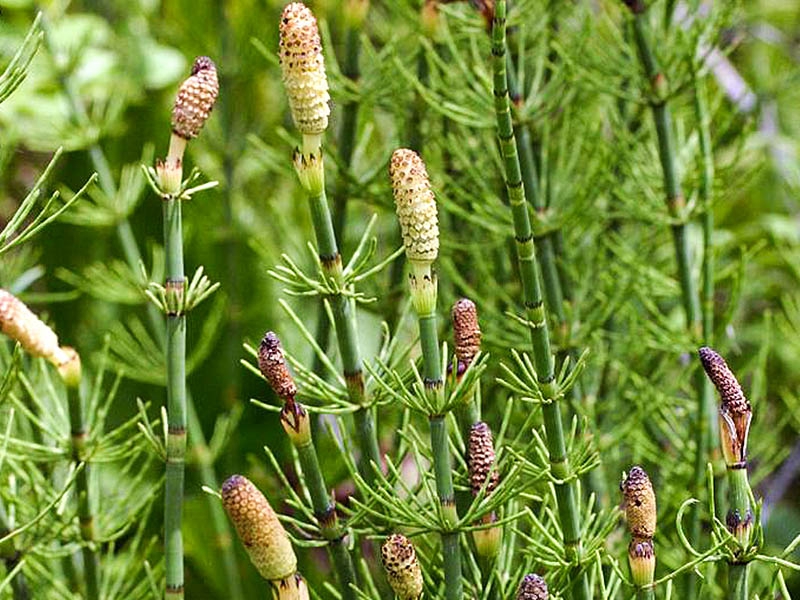
Equisetum fluviatile is a perennial plant that thrives in wetlands and watersides. Its growth characteristics, propagation methods, cultivation methods, garden uses, and information on major pests and diseases, as well as control methods, are as follows: Growth Characteristics - Habitat: It primarily grows in wetlands, pond edges, and shallow lakes. - Morphology: It reaches a height of approximately 30 to 150 cm. The stem is hollow and tubular, with clearly defined nodes. - Leaves: The leaves surround the stem and appear as small, scale-like structures at each node. Propagation Methods - Spore Propagation: It reproduces mainly by spores, releasing them naturally during the summer. - Vegetative Propagation: It can be propagated via underground stems (rhizomes). Cultivation Methods - Soil: It grows well in well-drained, moist soil. - Water: It prefers conditions with constant water flow and may grow underwater. - Sunlight: It thrives in partial shade, but requires sufficient sunlight to grow healthily. Garden Uses - Landscaping: It is excellent for use as a landscape plant in waterside gardens or along the water's edge. - Edge Plant: It can help define the boundaries of wetland areas. Important Pests and Control Methods - Diseases: It is generally resistant to pests and diseases, but root rot may occur if drainage is poor. - Control Methods: Avoid overwatering and remove any diseased parts. - Pests: Rarely, snails may cause damage. - Control Methods: Use snail repellent if necessary, or inspect frequently and remove them individually. Equisetum aquisetum is relatively easy to care for and is a useful plant for adding a natural touch to waterside areas.
Plant Family
Horsetail family
Height
50~100cm
Colors
brown
Bloom Period
July to September (spore period)
Water Needs
commonly
Exposure
Sunny
Freezing Resistance
-40°C
Dogwood
Equisetum palustre
The spirit
Eragrostis ferruginea