English
한국어
English
Español
中文
हिंदी
Home
News
Community
Dictionary
English
한국어
English
Español
中文
हिंदी
View list
Big Binori
Eragrostis pilosa
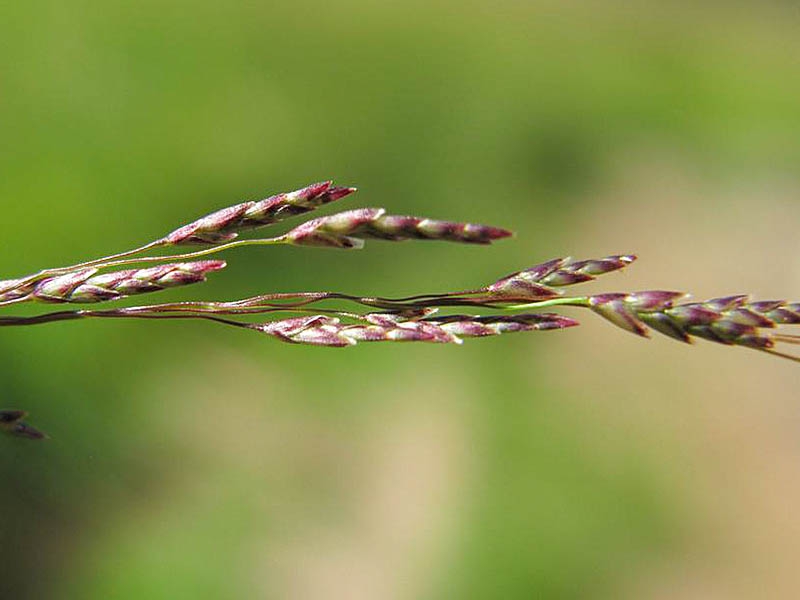
Eragrostis pilosa has the following characteristics regarding growth, propagation, cultivation, garden uses, and important pests and diseases and control methods. Growth Characteristics - Scientific Name: Eragrostis pilosa - Classification: Grass family (Poaceae) - Growing Environment: It thrives primarily in mild climates and prefers well-drained soil. - Characteristics: It is short in stature with shallow roots, and the spikes are densely arranged. Small flowers that change from yellow to brown bloom in the summer. Propagation Methods - Seed Propagation: It is propagated by seeds; sowing in spring or early summer is recommended. Germination occurs within about two weeks after sowing. - Division: It can also be propagated by dividing the roots. Division is mainly performed in the spring, and the plant quickly establishes itself in new locations. Cultivation Methods - Soil Preparation: Well-drained sandy loam is suitable, and it should be prepared by mixing in sufficient organic fertilizer. - Water Management: It tolerates dryness well, but prolonged exposure to severe drought may hinder growth. Regular watering is necessary. - Pests and Care: It does not require extensive maintenance, but it is recommended to remove weeds frequently and provide fertilizer as needed. Uses in the Garden - Border Planting: As a low-growing plant, it is suitable for planting along borders. - Ground Cover: It is effective for covering the ground for weed control and decorative purposes. - Natural Garden: It fits well in gardens that desire a natural and rustic feel. Important Pests and Control Methods - Diseases: There are no particularly serious diseases, but root rot can occur due to excessive moisture. - Control: It is important to pay attention to drainage and avoid overwatering. - Pests: Generally, there are no serious pests. - Prevention: Problems can be detected and resolved early through weed removal and regular inspections. The large-flowered Philosa is a plant that is relatively easy to care for and can be used for various purposes; provided it is provided with a suitable environment, it grows healthily and can serve as a great focal point in the garden.
Plant Family
Poaceae
Height
30~70cm
Colors
Green, red
Bloom Period
July~August
Water Needs
commonly
Exposure
Sunny
Freezing Resistance
-10°C
The spirit
Eragrostis ferruginea
Deulbinori
Eragrostis pectinacea