English
한국어
English
Español
中文
हिंदी
Home
News
Community
Dictionary
English
한국어
English
Español
中文
हिंदी
View list
I'm a dog too
Eriochloa villosa
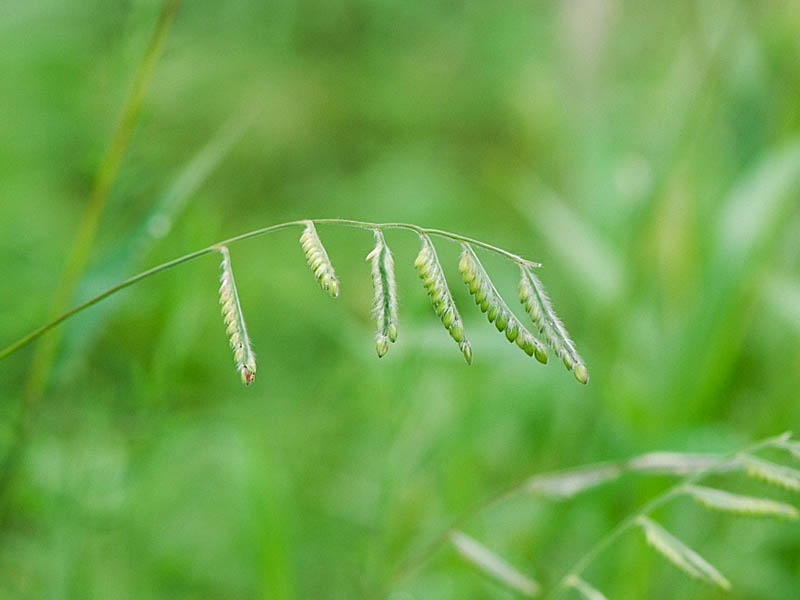
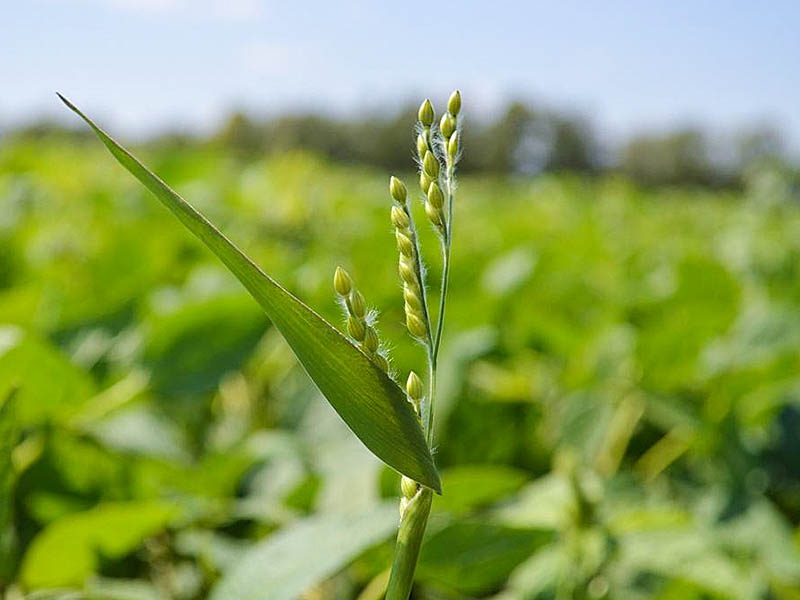
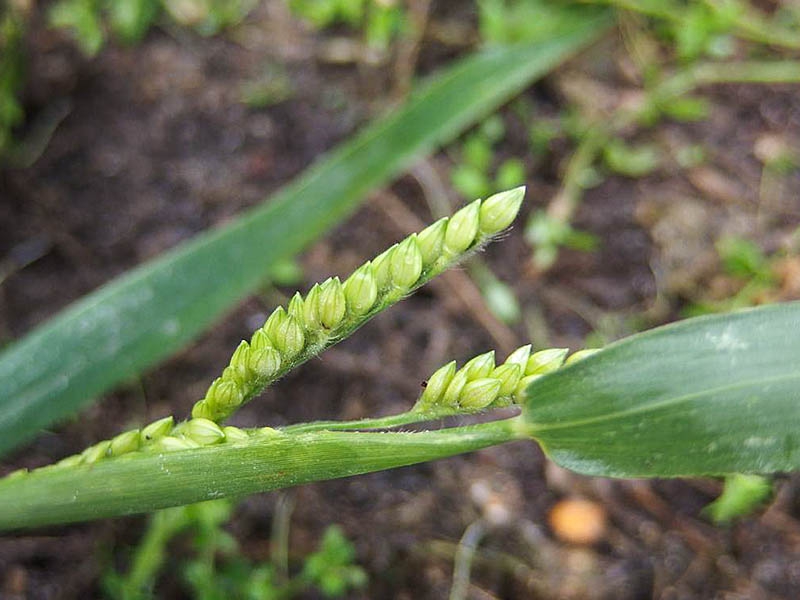
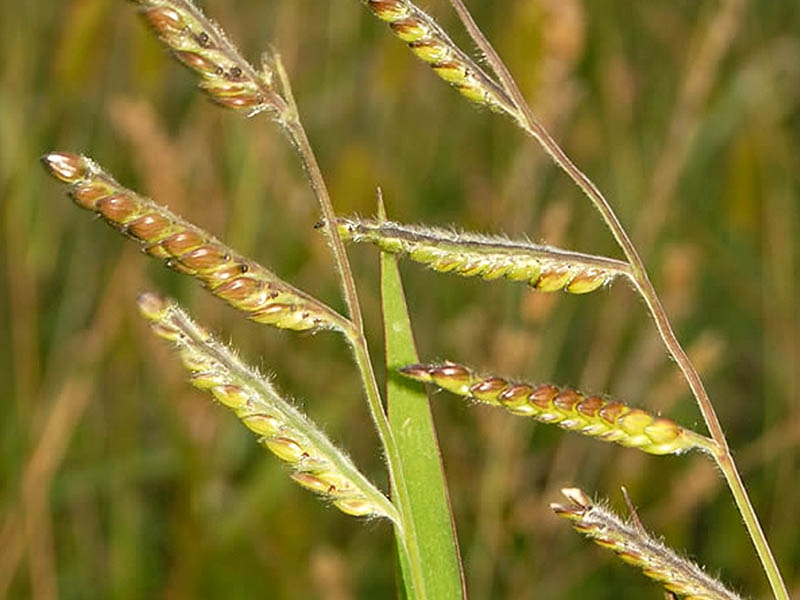
Eriochloa villosa is an annual perennial herb belonging to the grass family. Its growth characteristics, propagation methods, cultivation methods, garden uses, and major pests and diseases, as well as control methods, can be summarized as follows: Growth Characteristics- Eriochloa villosa reaches a height of 30 to 100 cm and grows primarily during the summer. - It has needle-like inflorescences, and its leaves are elongated and narrow. - It thrives in sunny locations and can tolerate various soil conditions. Propagation Methods- It is primarily propagated by seeds and is capable of self-pollination. - Seeds can be sown directly in the spring for propagation and have the characteristic of germinating quickly. Cultivation Methods- In regions where the ground does not freeze, sow seeds directly in the spring. - It grows best in well-drained soil with sufficient sunlight. - Water about once a week to prevent the soil from becoming too dry. Uses in the Garden - Gypsophila villosa is suitable for creating natural gardens or meadows. - It blends harmoniously with other plants, making it advantageous for creating natural landscapes. Important Pests and Control Methods - Although it is relatively resistant to pests and diseases, fungal diseases may occur on the leaves in excessively humid environments. - To prevent this, plant in a well-ventilated area and avoid overwatering. - In the event of a pest infestation, you can consider using appropriate insecticides or controlling them using natural predators. Gypsophila villosa is relatively easy to care for, making it suitable for beginners to cultivate. We hope the information above is helpful.
Plant Family
Poaceae
Height
50~100cm
Colors
green
Bloom Period
July–August
Water Needs
commonly
Exposure
Sunny
Freezing Resistance
-10°C
Black Curved Stone
Eriocaulon atrum
Eriogonum umbellatum