English
한국어
English
Español
中文
हिंदी
Home
News
Community
Dictionary
English
한국어
English
Español
中文
हिंदी
View list
Eriogonum pesciculaitum
Eriogonum fasciculatum
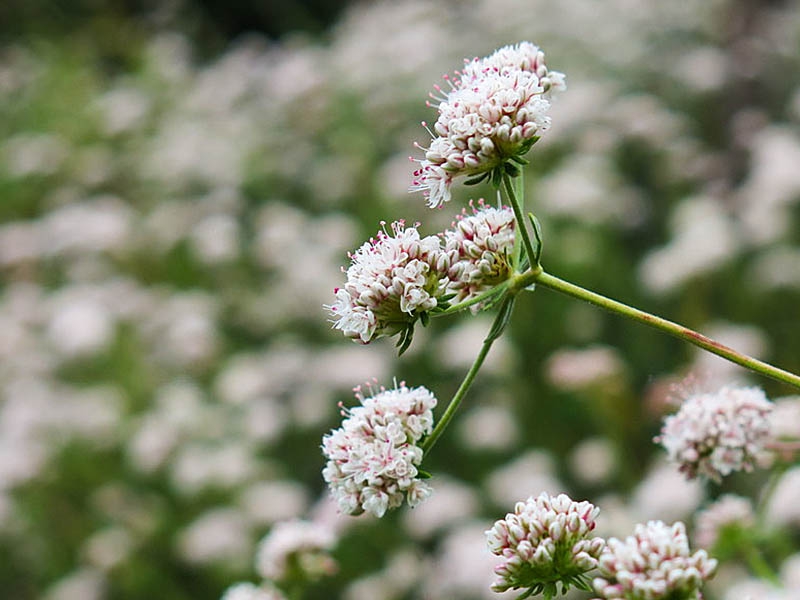
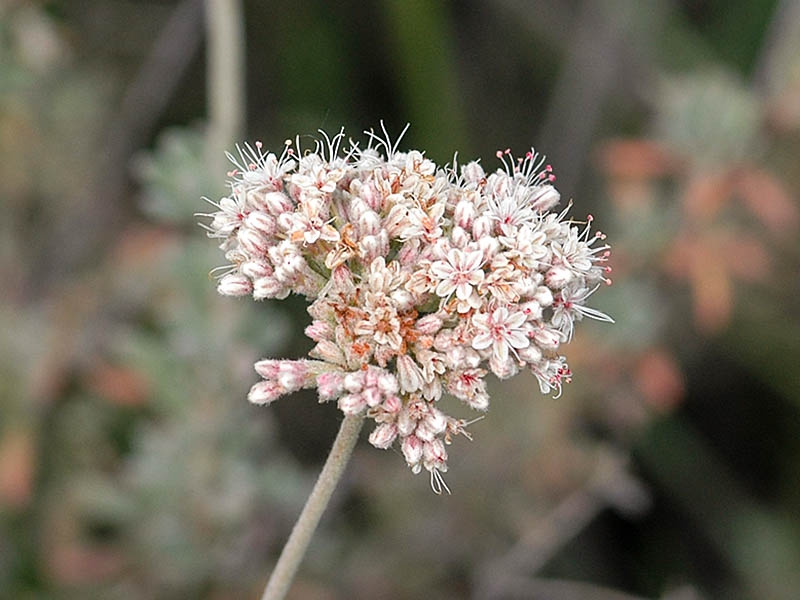
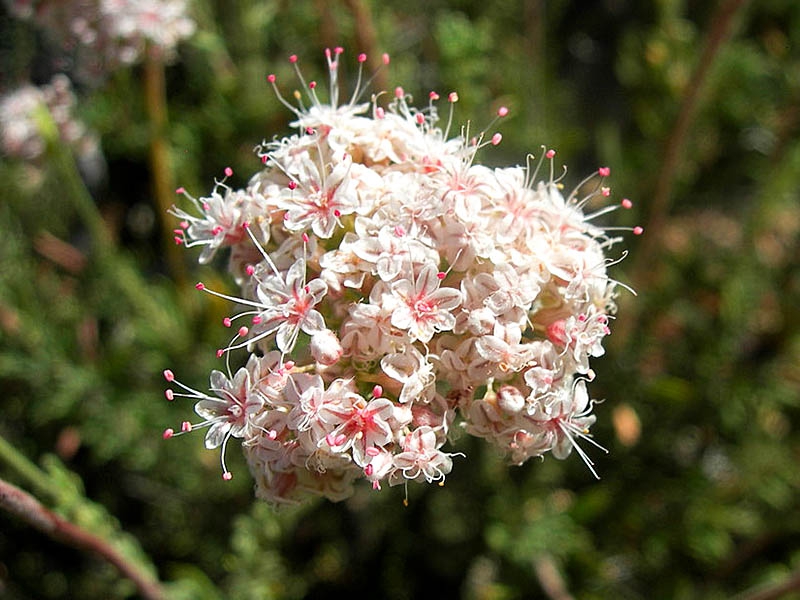
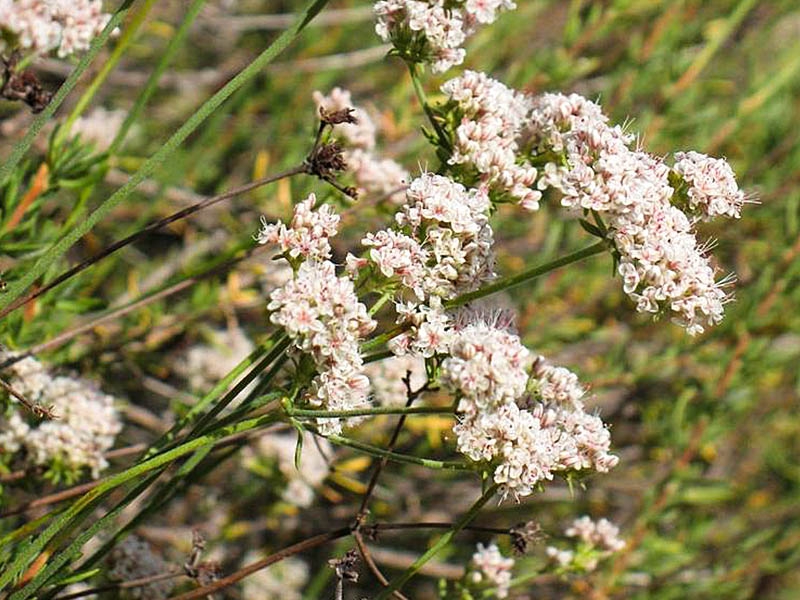
Eriogonum fasciculatum is a plant native primarily to western North America. It possesses the following characteristics, propagation methods, cultivation methods, garden uses, and information on major pests and diseases, as well as control methods: Growth Characteristics - Habitat: It primarily grows in dry desert regions, rocky areas, and open mountain slopes. - Characteristics: It is a perennial plant with small leaves arranged in a knot-like cluster. - Moisture: It adapts well to dry environments and dislikes excessive watering. - Sunlight: It thrives in sunny locations but does not grow well in shade. Propagation Methods - Seeds: It can be propagated by seeds, which are typically sown in the spring. - Cuttings: Some varieties can also be propagated by cuttings. Cultivation Methods - Soil: Well-drained sandy and gravel soils are suitable. - Watering: It does not require frequent watering, and it is best to keep the soil dry. - Fertilizer: It requires almost no fertilizer; care should be taken to avoid over-fertilizing. Uses in the Garden - Landscaping Plant: It can be used as a landscaping plant suitable for dry gardens, rock gardens, etc. - Attracts Bees and Butterflies: It is effective in attracting bees and butterflies while in bloom. Important Pests and Control Methods - Diseases: Generally, there are no serious diseases, but root rot may occur due to excessive moisture. - Control: Ensure good drainage to avoid excessive moisture. - Pests: It may be damaged by aphids and some other insects. - Control: Control using natural predators such as ladybugs or organic insecticides. Eriogonum pesculatum is a relatively easy plant to care for, and as long as a suitable environment is provided, it can consistently maintain its beauty in the garden.
Plant Family
Knotweed family
Height
30~180cm
Spread
90~240cm
Colors
pink
Bloom Period
May to August
Water Needs
commonly
Exposure
Sunny
Freezing Resistance
-15°C
Eriogonum giganteum
Eriogonum giganteum
Heriogonum arborescens
Eriogonum arborescens