English
한국어
English
Español
中文
हिंदी
Home
News
Community
Dictionary
English
한국어
English
Español
中文
हिंदी
View list
Heriogonum arborescens
Eriogonum arborescens
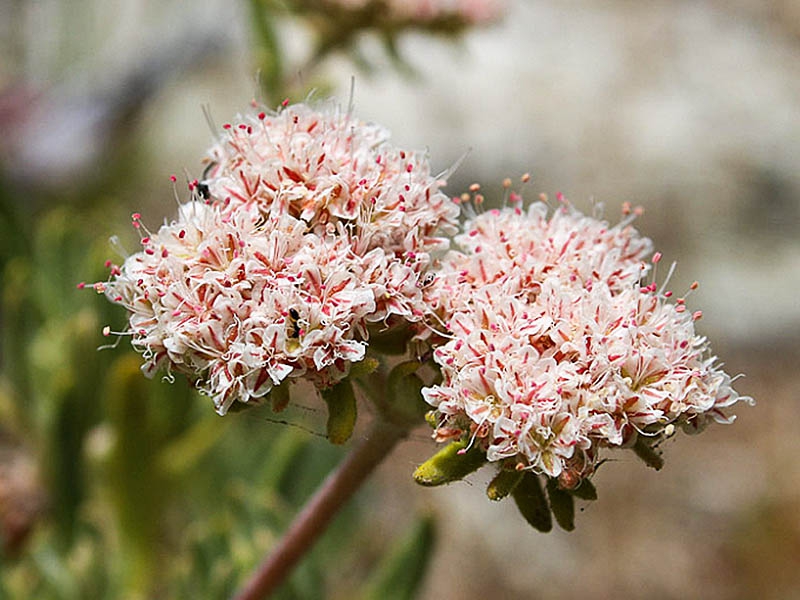
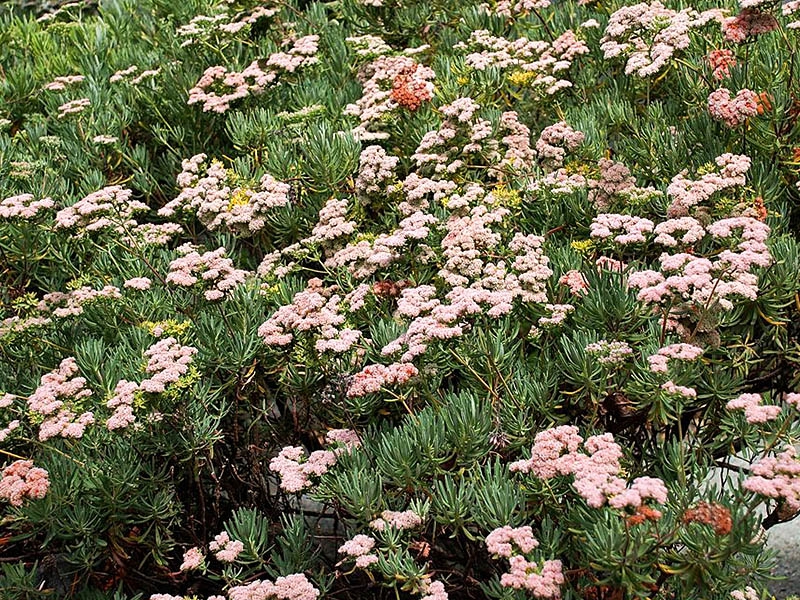
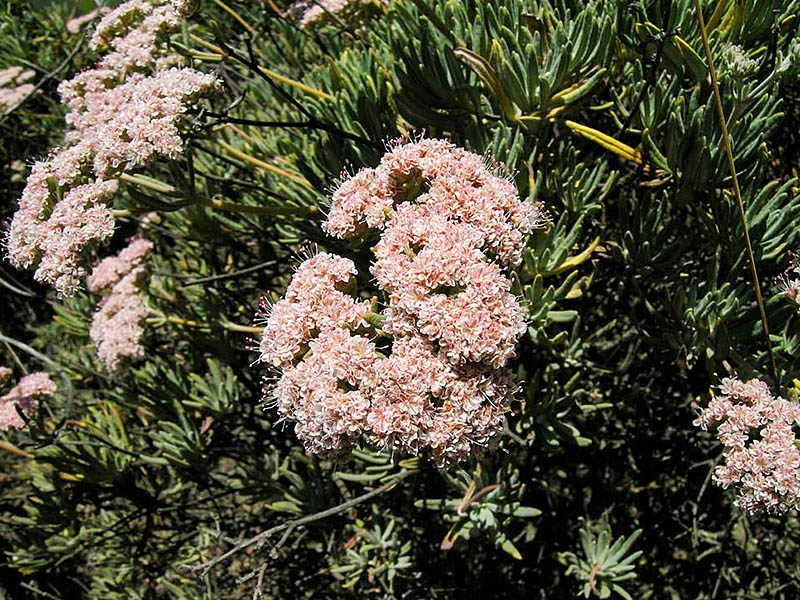
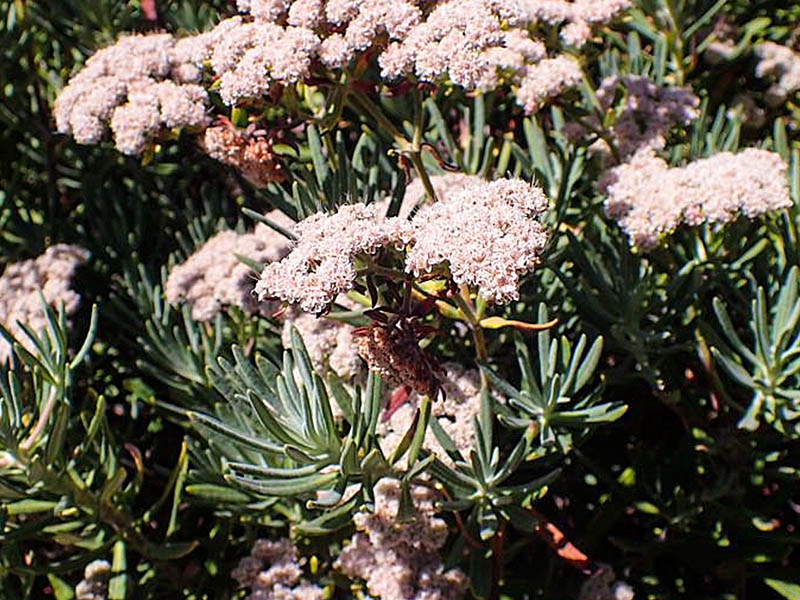
The following is information regarding Eriogonum arborescens: Growth CharacteristicsEriogonum arborescens is a perennial shrub native to western North America, primarily found in coastal mountainous regions of California. This plant adapts well to dry environments and produces feathery leaves and small, compound flowers. It blooms from summer through autumn and displays colors such as pink and white. Propagation MethodsIt can be propagated by seeds and cuttings. Seeds are sown in spring or autumn and germinate well in well-drained soil. Cuttings can be taken by cutting new branches in the summer and allowing them to root; they should be planted in well-drained soil. Cultivation MethodsEriogonum arborescens thrives best in sunny locations and is suitable for well-drained sandy or gravelly soil. It prefers dry conditions, so overwatering should be avoided. Fertilizer is not particularly necessary, and management should be done considering that its natural habitat is relatively barren. Uses in the GardenHeriogonum arborescens is popular as an ornamental plant in gardens due to its shrub size and beautiful flowers. It is particularly attractive in wildflower gardens and natural gardens. It is resistant to pests and diseases, tolerates drought well, and grows well without special care, making it easy to maintain. Important Pests and Control MethodsHeriogonum arborescens is resistant to most pests and diseases, and there are not many that require special attention. Rarely, insects may appear on the leaves; in this case, they can be controlled by removing them manually or by attracting insects that naturally prey on them. Additionally, it is important to manage the plant to avoid overwatering to prevent problems such as root rot.
Plant Family
Knotweed family
Height
60~120cm
Spread
60~120cm
Colors
white
Bloom Period
March to August
Water Needs
commonly
Exposure
Sunny
Freezing Resistance
-10°C
Eriogonum pesciculaitum
Eriogonum fasciculatum
True stork grass
Eriophorum angustifolium