English
한국어
English
Español
中文
हिंदी
Home
News
Community
Dictionary
English
한국어
English
Español
中文
हिंदी
View list
Eringium Baripolium
Eryngium variifolium
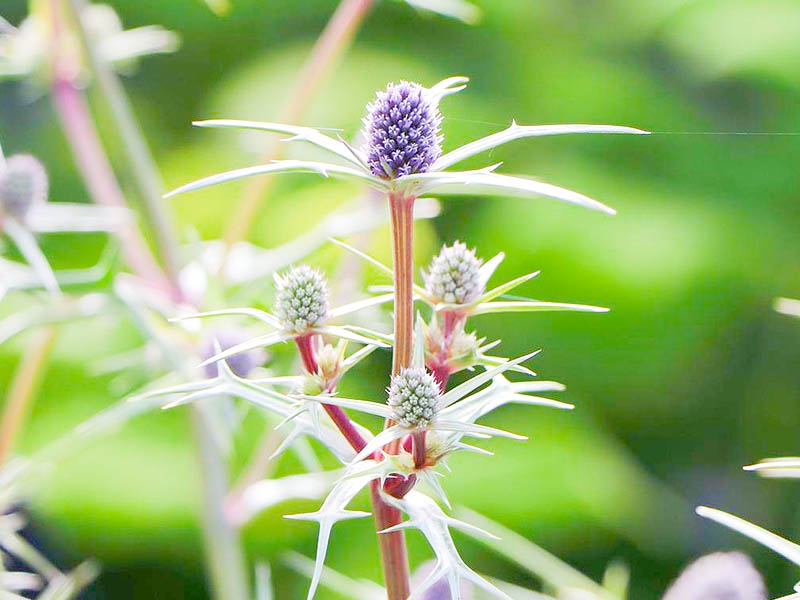
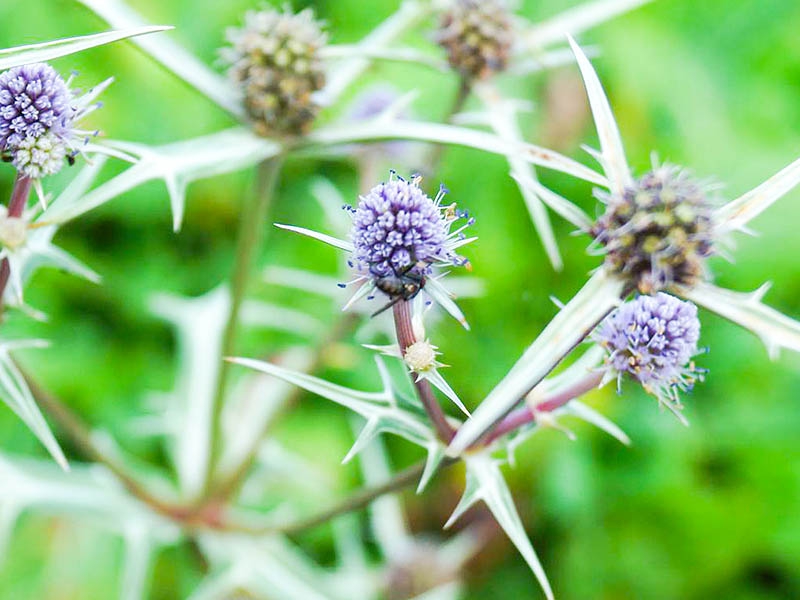
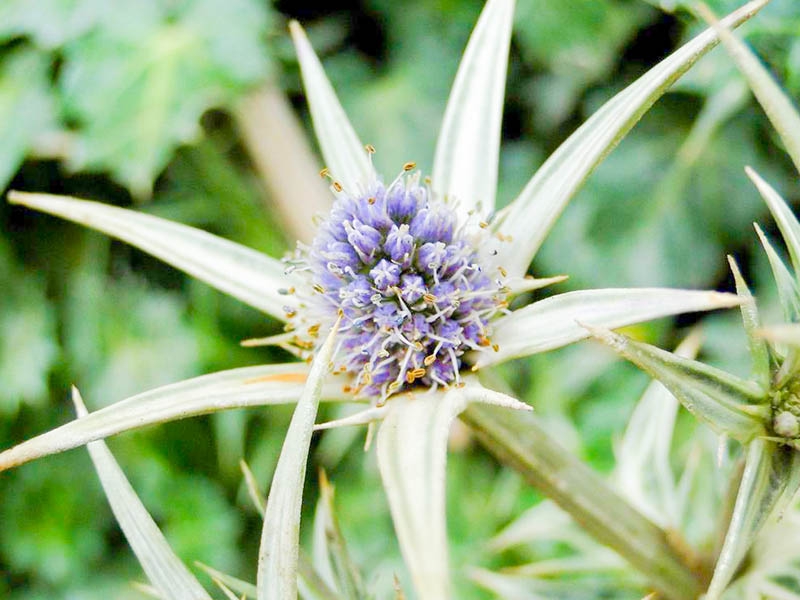
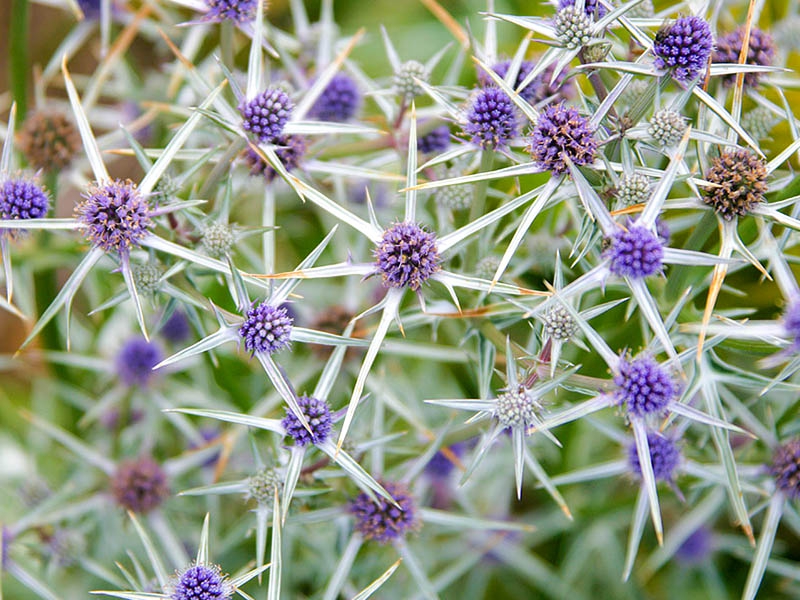
Eryngium variifolium - Growth Characteristics: Eryngium variifolium is a perennial herbaceous plant that thrives primarily in sunny locations. It is tolerant of dry environments, making it suitable for well-drained soil. It grows to a height of approximately 30–60 cm and produces blue or purple flowers with silvery leaves. - Propagation Methods: Propagation is mainly done by seeds or root division. For seed propagation, seeds are sown indoors in the spring to germinate, and then transplanted in early summer. Root division involves dividing the plant's roots and transplanting them in the spring or autumn. - Cultivation Methods: Eryngium prefers sunny locations and well-drained soil. Avoid frequent watering, and be careful of overwatering, especially during the winter. While it grows relatively well in nutrient-poor soil, a small amount of fertilizer can be added to promote growth. 4. Use in the Garden: Eryngium variifolium is widely used as an ornamental plant in gardens. It is particularly well-suited for rock gardens or wildflower gardens, and is also popular as a material for flower arrangements. - Major Pests and Diseases and Control Methods: While this plant is resistant to most pests and diseases, root rot may occur in poorly drained soil. To prevent this, attention must be paid to drainage, and fungicides can be used as a preventive measure if necessary. Additionally, pests such as aphids may appear; remove them immediately upon discovery, and insecticides may be used in severe cases. Eryngium variifolium is relatively easy to care for, so planting it in a suitable location and maintaining it regularly will greatly contribute to creating a beautiful garden.
Plant Family
Apiaceae
Height
30~60cm
Spread
25~30cm
Colors
green
Bloom Period
June to August
Water Needs
Bad
Exposure
Sunny
Freezing Resistance
-10°C
Eringium x Oliverianum
Eryngium
×
oliverianum
Eringium pandanipolium
Eryngium pandanifolium