English
한국어
English
Español
中文
हिंदी
Home
News
Community
Dictionary
English
한국어
English
Español
中文
हिंदी
View list
Erythronium oregonom
Erythronium oregonum
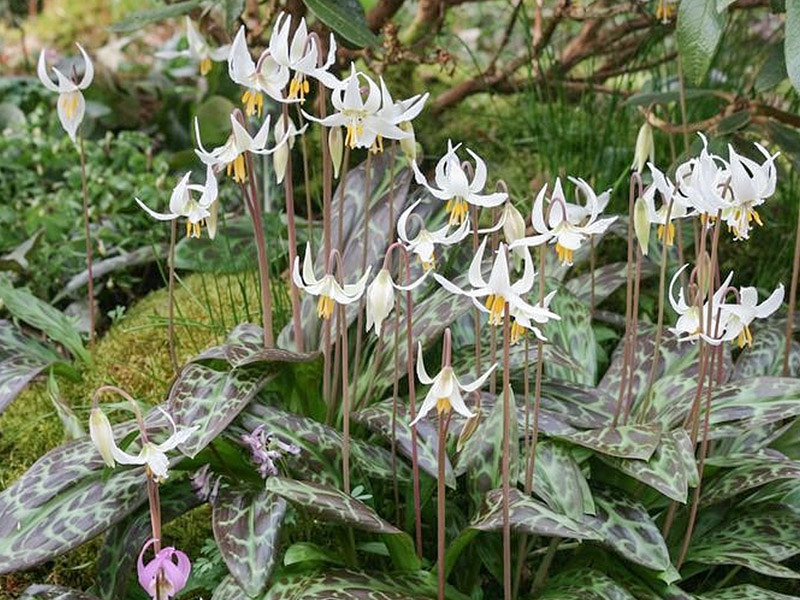
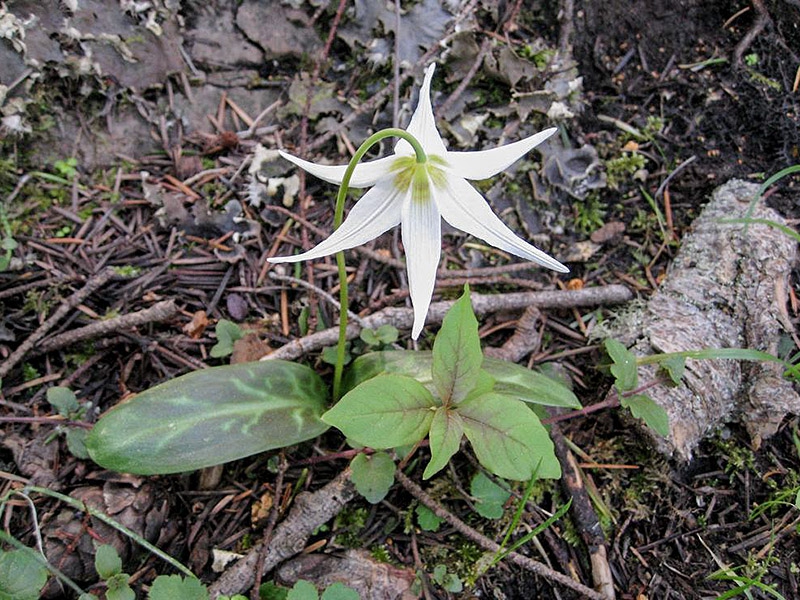
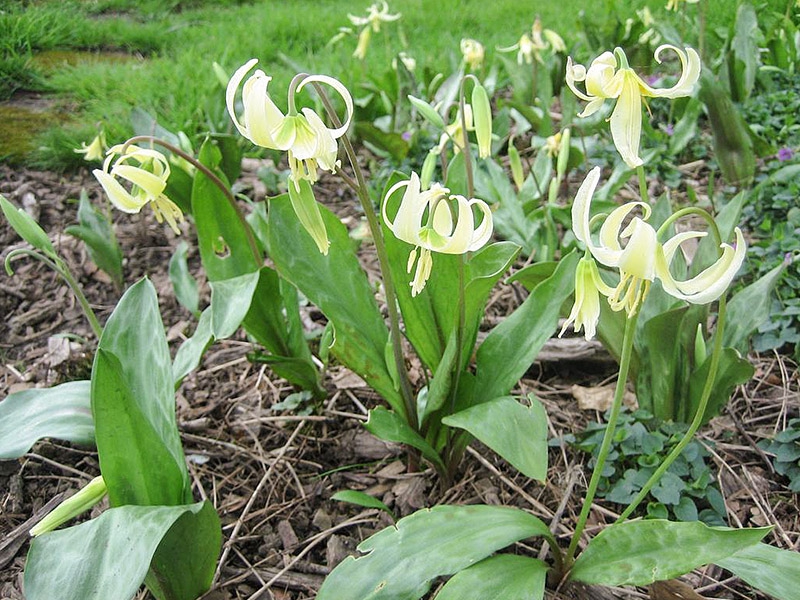
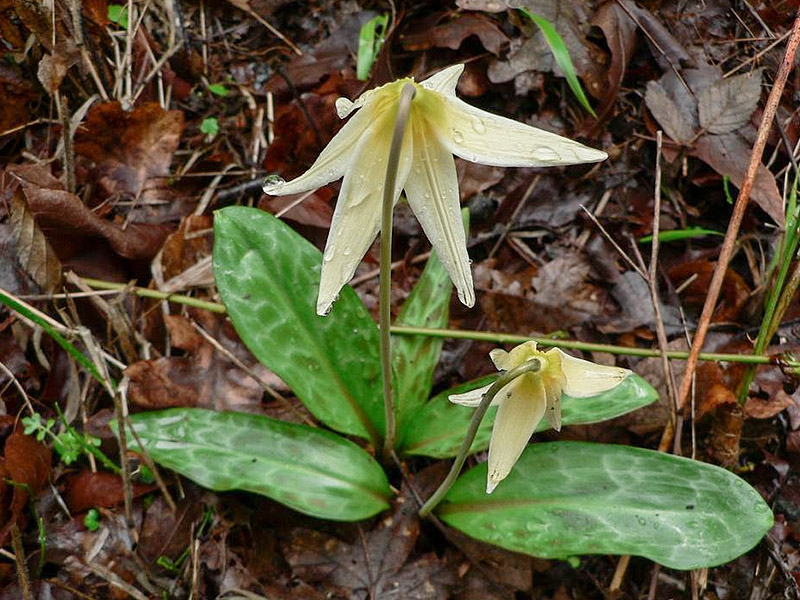
Characteristics and Cultivation Information of Erythronium oregonum #Growth Characteristics - Habitat: It inhabits the humid woodlands of western North America, particularly near Oregon and British Columbia. - Growing Environment: It thrives in partial shade and prefers well-drained soil. While it likes humid environments, excessive moisture should be avoided. - Flower Characteristics: It blooms with beautiful white or light pink flowers in the spring, featuring yellow spots on the petals. #Propagation Methods - Seed Propagation: It can be propagated by seeds. Seeds harvested in the fall can be sown immediately, or they can be sown in the spring after overwintering. - Bulb Separation: Mature bulbs can be separated in the fall for propagation. This method allows for the collection of new bulbs to be planted in different locations to spread the species. #Cultivation Methods - Soil Preparation: Prepare fertile, well-draining soil. It is recommended to mix in organic matter. - Planting: It is ideal to plant in the fall, and plant the bulbs at a depth of about 10–15 cm. - Watering: Water should be given appropriately, and water shortages should be avoided, especially during the growing season. - Fertilizer: It is recommended to apply an appropriate amount of slow-release fertilizer in the spring. #Uses in the Garden - Landscaping: Erythronium oreganum is suitable for planting in shaded gardens or under trees. - Artificial Planting: It can be planted alongside other wildflowers or ground cover plants to create a natural landscape. #Important Pests and Control Methods - Diseases: Fungal diseases can be a problem. This can be prevented by avoiding overwatering and maintaining proper drainage. - Pests: Aside from common garden pests, there are generally no major issues; however, in some cases, aphids or snails can cause damage. - Control methods: For eco-friendly methods, improve ventilation in the surrounding environment to prevent fungal diseases, and for pests, physically remove them or use organic insecticides as needed.
Plant Family
Lily family
Height
25~60cm
Spread
10~12cm
Colors
white
Bloom Period
March to May
Water Needs
commonly
Exposure
semi-shaded area
Freezing Resistance
-15°C
Erythroniumse
Erythronium tuolumnense
Erythronium 'Snowflake'
Erythronium dens-canis
'Snowflake'