English
한국어
English
Español
中文
हिंदी
Home
News
Community
Dictionary
English
한국어
English
Español
中文
हिंदी
View list
Eucommia ulmoides
Eucommia ulmoides
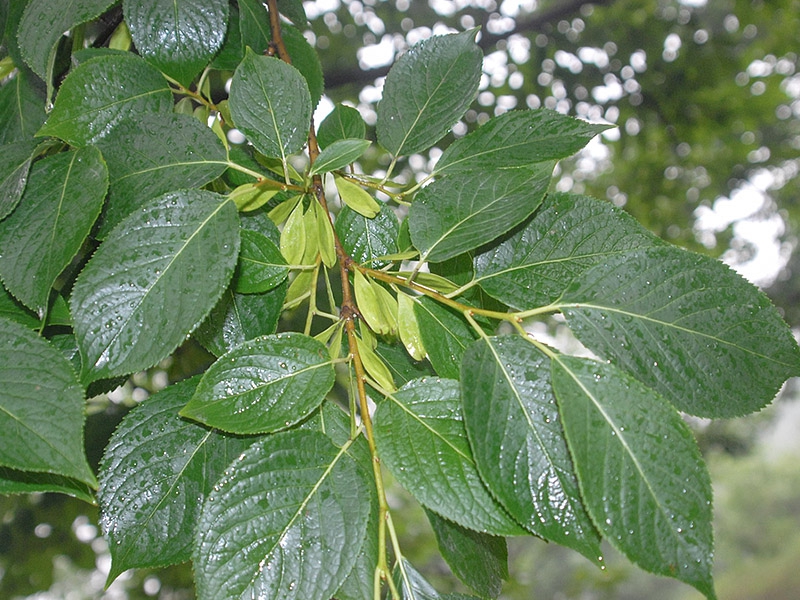
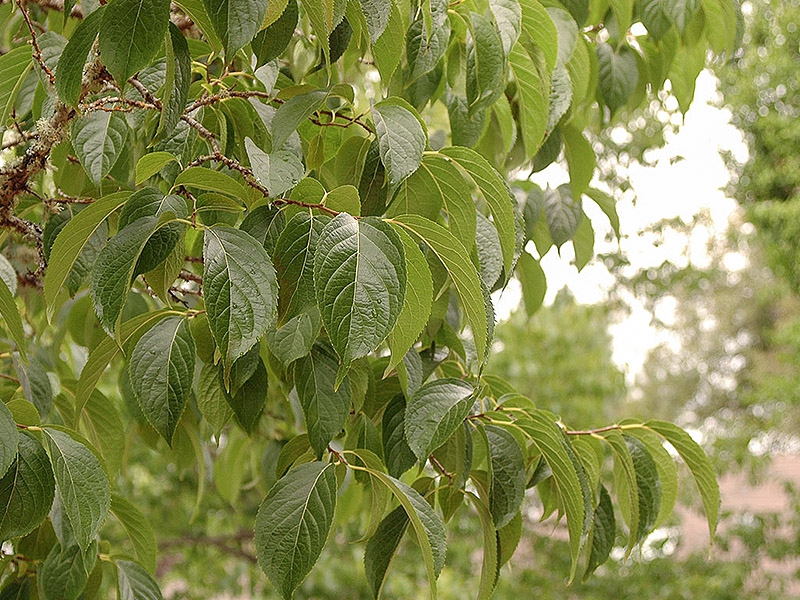
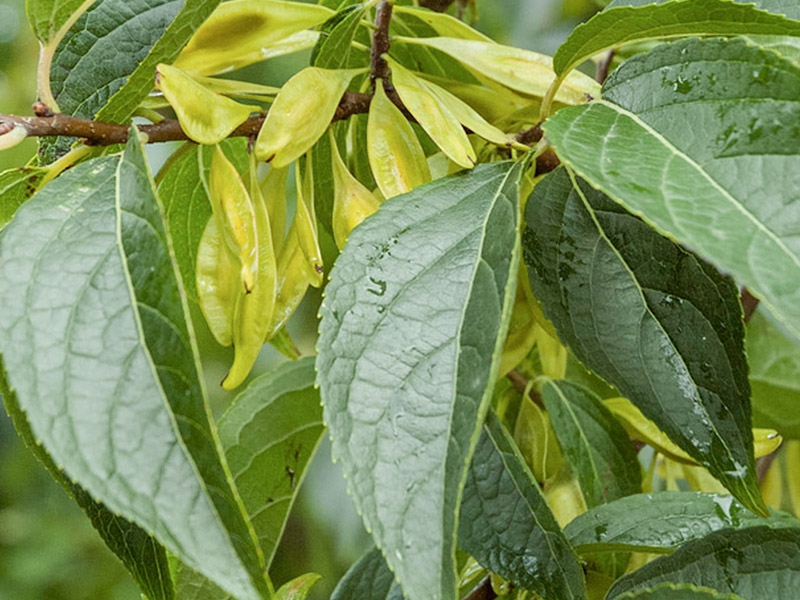
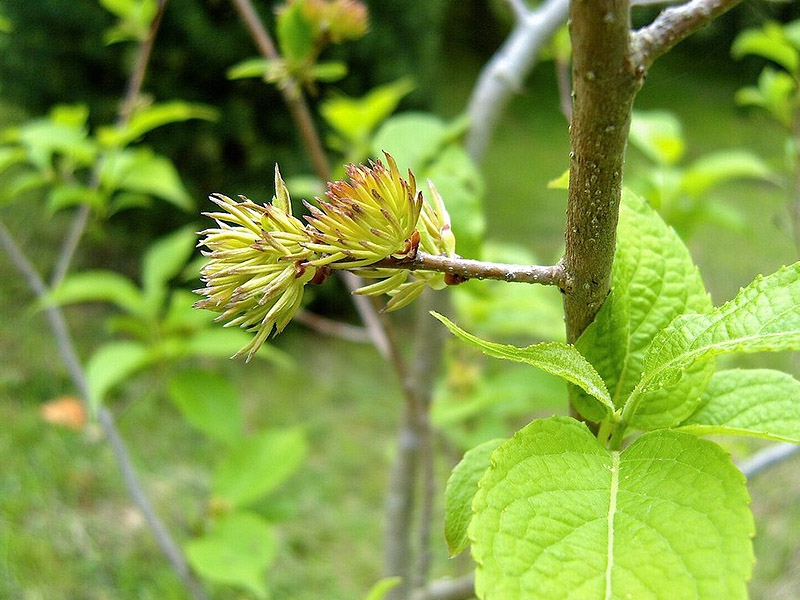
Eucommia ulmoides Growth CharacteristicsThis is a deciduous tree primarily native to China, capable of growing up to 15 meters in height. It contains gutta-percha, a rubbery substance, which causes the leaves to stretch into thread-like strands when torn. It is highly cold-resistant and tolerates heat well; while it can grow in some shade, it prefers sunlight. Propagation MethodsIt is primarily propagated by seeds, cuttings, and grafting. Seeds mature in the autumn and can be sown immediately or the following spring. For cuttings, using newly grown branches during the summer is effective. Grafting is mainly performed in the spring, and branch grafting or bud grafting can be used. Cultivation MethodsIt thrives in well-drained soil and prefers neutral or slightly alkaline soil rather than acidic soil. Water supply is important during the initial stages, but excessive watering should be avoided once the plant has grown. Regular pruning is necessary to shape the plant and improve air circulation. Use in Gardens Due to its beautiful form, it can be used as an ornamental tree in gardens. Additionally, its leaves and bark are used as ingredients in traditional Korean medicine and are popular as health foods. Major Pests and Diseases and Control Methods Major diseases include anthracnose and leaf blight, while pests include aphids, mites, and twig moths. Diseases can be controlled by removing diseased parts and spraying antimicrobial agents as a preventive measure. Pest control involves applying insecticides at the appropriate time, and biological control can be attempted using natural predators such as ladybugs. Furthermore, regular pruning and ventilation can help suppress the occurrence of pests and diseases.
Plant Family
Eucommia family
Height
10~15m
Colors
yellow
Bloom Period
April~May
Water Needs
commonly
Exposure
semi-shaded area
Freezing Resistance
-30°C
Eucomis Autumnalis
Eucomis autumnalis
Euclipia nimancensis 'nimansei'
Eucryphia
×
nymansensis
'Nymansay'