English
한국어
English
Español
中文
हिंदी
Home
News
Community
Dictionary
English
한국어
English
Español
中文
हिंदी
View list
Osuyu Opikinalis
Euodia officinalis
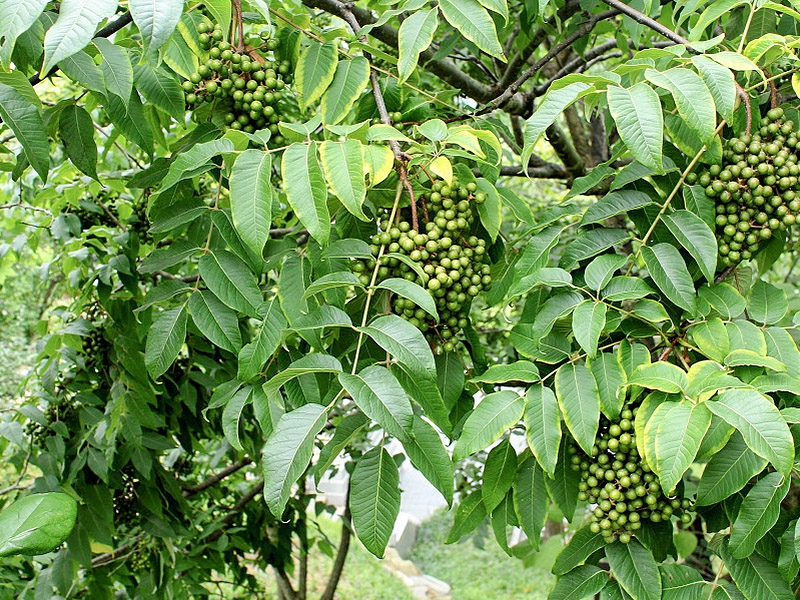
Cornus officinalis (Euodia officinalis) is a shrub belonging to the Rutaceae family of the Gentianales order of dicotyledonous plants, and it is popular for its distinctive fragrance and beautiful flowers. Below is information regarding the growth characteristics, propagation methods, cultivation methods, garden uses, and major pests and diseases and control methods of Cornus officinalis. Growth Characteristics - Height and Shape: Cornus officinalis is a deciduous shrub that typically grows to a height of 2 to 5 meters. - Leaves: The leaves are generally oval or lance-shaped with serrated margins. - Flowers: Small white or light pink flowers bloom from summer to autumn, usually appearing in clusters. - Growing Conditions: It prefers sunny locations and well-drained soil. Propagation Methods - Seed Propagation: Collect seeds from ripe fruits in autumn and sow them in spring. - Cutting Propagation: Healthy branches can be cut and propagated in spring or autumn. Cultivation Methods - Soil: Prefers fertile, well-drained soil. - Watering: Initial growth requires sufficient water, but it is somewhat resistant to drought after maturity. - Fertilizer: It is beneficial to apply appropriate organic fertilizer in the spring. Garden Uses - Landscape Landscaping: Cornus officinalis is popular as a decorative plant in gardens and parks due to its distinctive fragrance and beautiful flowers. - Attracting Bees and Butterflies: The flowers attract various bees and butterflies, helping the ecosystem. Important Pests and Control Methods - Diseases: It can contract leaf blight or fungal diseases, so a well-ventilated environment must be provided. - Pests: Aphids or scale insects may occur; remove them immediately upon discovery or use appropriate insecticides. - Control Methods: Natural control involves ensuring sufficient ventilation and drainage, and using eco-friendly insecticides or pesticides when necessary. While Cornus officinalis is an attractive plant in itself, periodic care and appropriate measures are essential. If you keep these care points in mind when using them in the garden, you can grow healthier Cornus officinalis.
Plant Family
Rutaceae
Height
5~20m
Colors
Green, white
Bloom Period
May~June
Water Needs
commonly
Exposure
Sunny
Freezing Resistance
-10°C
hairy pampas grass
Eulalia quadrinervis
Chinese elm
Tetradium daniellii