English
한국어
English
Español
中文
हिंदी
Home
News
Community
Dictionary
English
한국어
English
Español
中文
हिंदी
View list
Repentance tree
Euonymus oxyphyllus
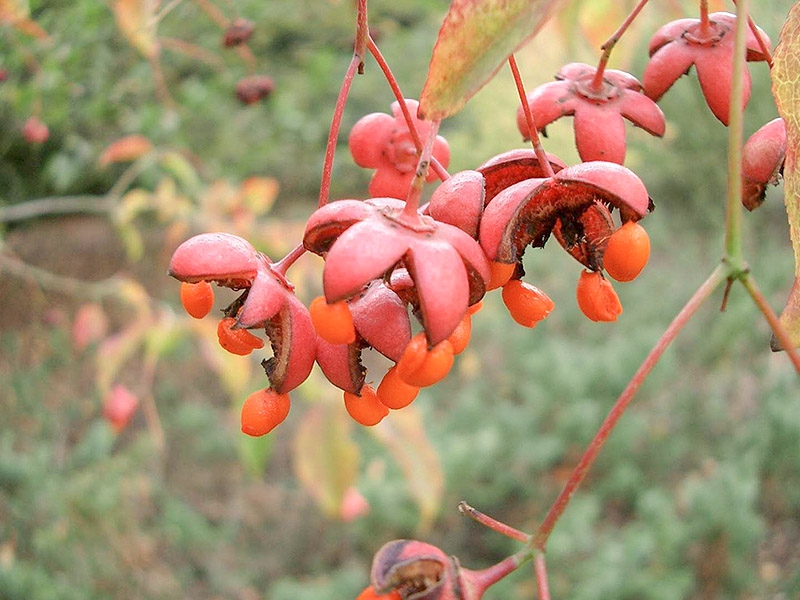
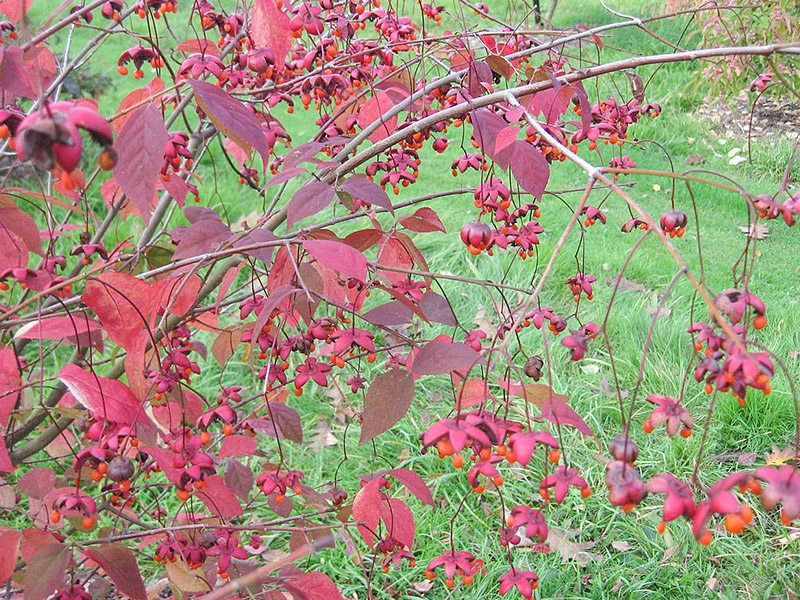
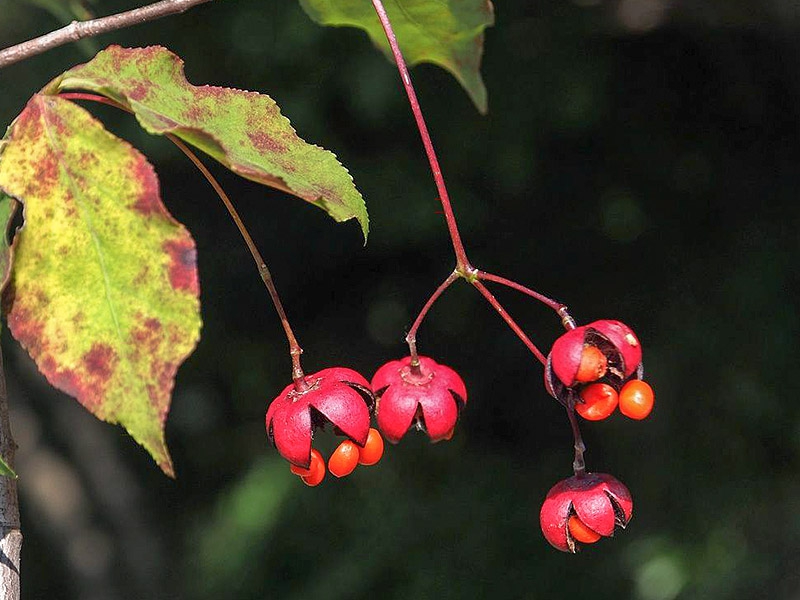
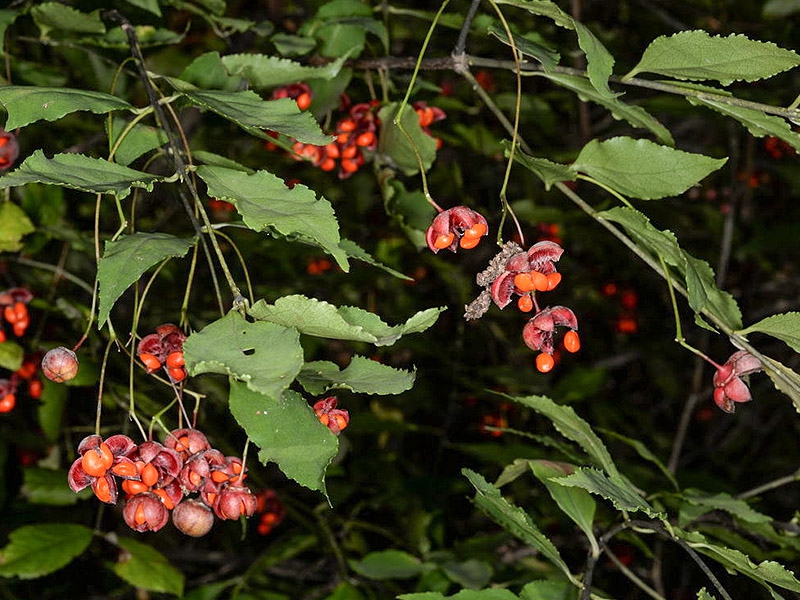
Growth Characteristics The Korean honeysuckle (scientific name: Euonymus oxyphyllus) is a deciduous broad-leaved shrub native primarily to Korea and Japan. It grows to a height of approximately 2 to 4 meters, and its leaves are oval-shaped with pointed tips and serrated margins. In autumn, the leaves turn red, creating a beautiful display of color. Propagation Methods The Korean honeysuckle is primarily propagated by seeds and cuttings. For seed propagation, it is common practice to collect seeds from mature fruits, sow them in the autumn, and germinate them the following spring. For cuttings, healthy branches are selected and taken in spring or early summer. Cultivation Methods The Korean honeysuckle thrives in well-drained soil and prefers sunny locations, but it can tolerate partial shade. It can adapt to soil pH levels ranging from slightly acidic to neutral. After planting, it is necessary to maintain soil moisture and temperature through proper watering and mulching. Uses in Gardens Silk Trees are widely used as ornamental trees in gardens and parks because their leaves turn red in the autumn, providing an excellent decorative effect. They can also be utilized as hedges or boundary trees. Important Pests and Diseases and Control Methods Silk Trees are relatively resistant to pests and diseases, but certain pests or diseases may occur. Common examples include leaf blight and leaf beetles. To control these pests, regular observation and the use of appropriate pesticides are recommended. Additionally, preventing overcrowding by pruning to ensure good ventilation can reduce the incidence of pests and diseases.
Plant Family
Arrowwood family
Height
2~5m
Colors
red
Bloom Period
May~June
Water Needs
commonly
Exposure
Sunny
Freezing Resistance
-20°C
Cypress tree
Euonymus pauciflorus
Naraehoenamu
Euonymus macropterus