English
한국어
English
Español
中文
हिंदी
Home
News
Community
Dictionary
English
한국어
English
Español
中文
हिंदी
View list
bone-deunggol namul
Eupatorium lindleyanum
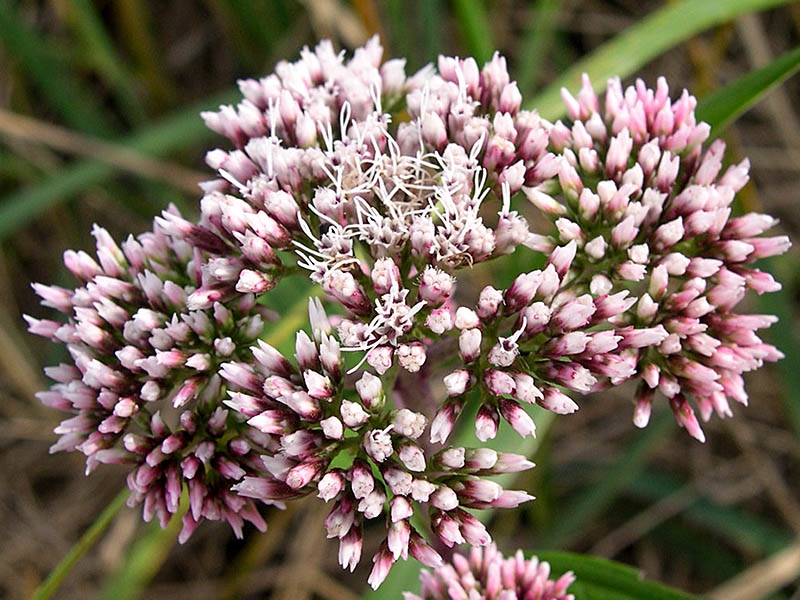
Growth Characteristics Eupatorium lindleyanum is a perennial herbaceous plant belonging to the Asteraceae family. It grows naturally in wetlands or along riverbanks and can reach a height of approximately 1 to 2 meters. The stems are straight and have a slightly purplish-green color, while the leaves are generally palm-shaped. From summer to autumn, small white or light pink flowers bloom in clusters forming inflorescences. Propagation Methods It is primarily propagated by seeds or root division. When propagating by seeds, germinate them at room temperature in the spring; cold treatment during the winter is recommended to increase the germination rate. Root division can be performed in spring or autumn; simply divide the roots of the parent plant into appropriate sizes and plant them. Cultivation Methods - Soil: It prefers well-drained, moist soil. Caution is required as it does not grow well in overly dry areas. 2. Sunlight: It prefers partial shade to full sun, so it is best to plant it in a location with moderate sunlight. - Watering: It requires regular watering, and more water is needed, especially during dry seasons. - Fertilizer: Special fertilizers are not necessary, but considering the growing season, it is recommended to apply a small amount of organic fertilizer in spring and autumn. Uses in the Garden Goldenrod Lindella lindleianum is highly popular as an ornamental plant. It adds beautiful scenery to the garden, especially during the flowering summer and autumn. It fits well in moist gardens, pond edges, and natural gardens, and can be interplanted with other perennials to create a natural garden atmosphere. Important Pests and Control Methods Although it is relatively hardy against pests, fungal diseases or leaf rollers may occur in environments with excessive humidity or poor ventilation. To prevent fungal diseases, ensure good ventilation, and if an infection is severe, it is recommended to use an appropriate fungicide. Leafrollers can be controlled by removing them by hand or using plant-based insecticides. Regular observation and management are important.
Plant Family
Asteraceae
Height
30~150cm
Colors
purple, white
Bloom Period
July to October
Water Needs
commonly
Exposure
semi-shaded area
Freezing Resistance
-10°C
European snail tree
Euonymus europaeus
bone mulberry
Eupatorium makinoi
var.
oppositifolium