English
한국어
English
Español
中文
हिंदी
Home
News
Community
Dictionary
English
한국어
English
Español
中文
हिंदी
View list
bone mulberry
Eupatorium makinoi
var.
oppositifolium
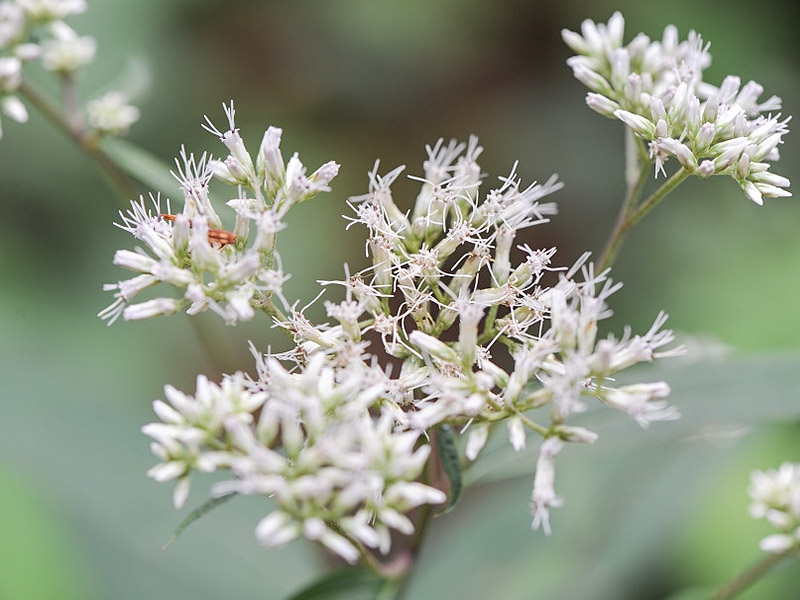
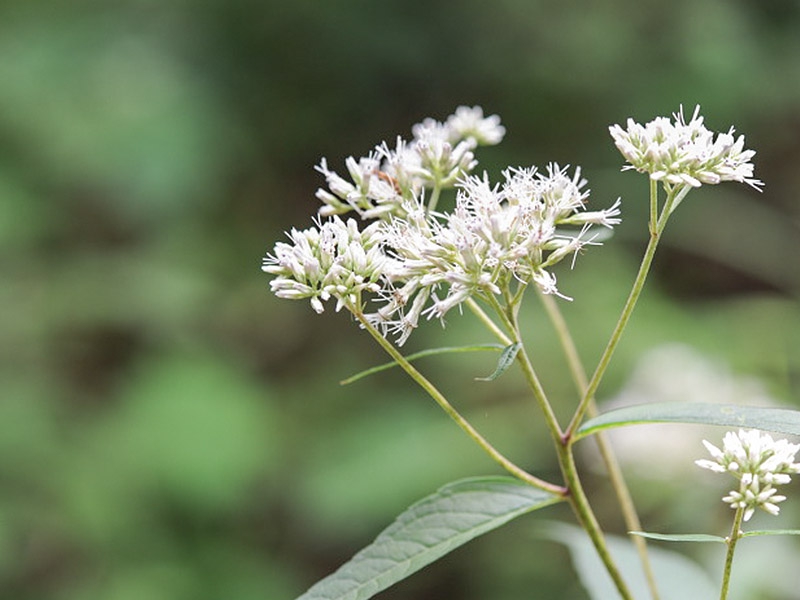
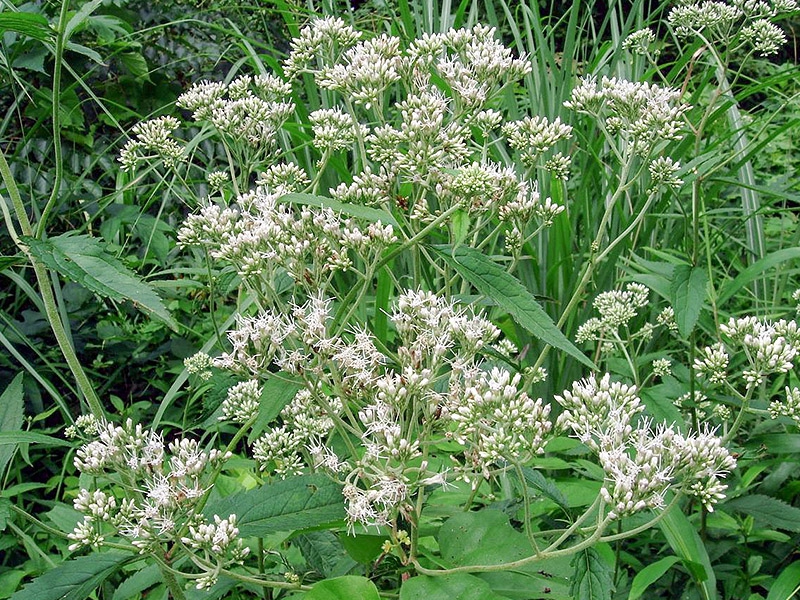
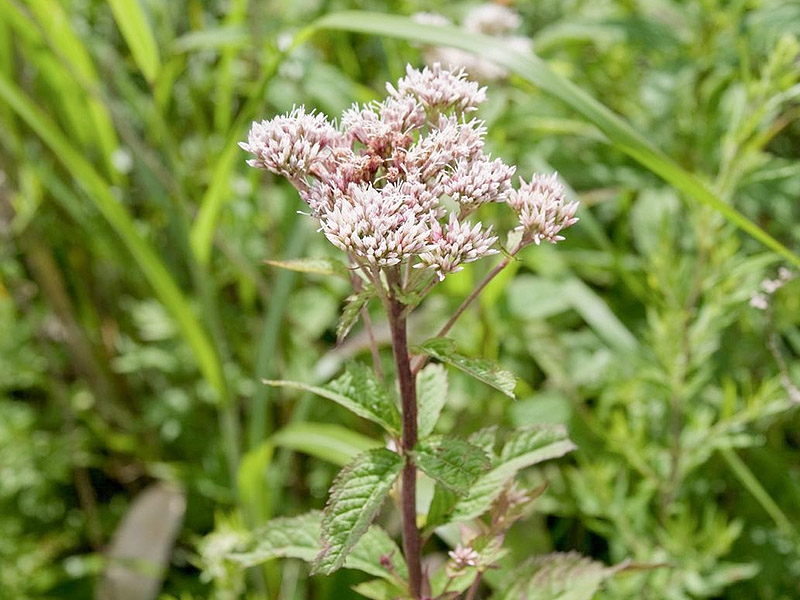
Eupatorium chinense var. simplicifolium is a plant native primarily to Asia. It is characterized by the following growth characteristics, cultivation methods, propagation methods, garden uses, and information on major pests and diseases and control methods. Growth Characteristics - Ecology: It is a perennial herb that grows to a height of approximately 50 to 100 cm. - Environment: It thrives in full sun to partial shade and prefers well-drained soil. - Flowering Period: Flowers typically bloom from summer to autumn, and are usually white. Propagation Methods - Seed Propagation: Collect mature seeds in autumn and sow them the following spring. - Cutting Propagation: Stems can be cut and propagated in spring or early summer. This method is relatively easy and has a high success rate. - Division Propagation: Dividing the roots in spring or autumn is also a possible method. Cultivation Methods - Soil Preparation: Prepare deep, fertile soil; creating a drainage layer is even better. - Watering: It likes water, but care must be taken to avoid overwatering. Especially in summer, water only after the soil surface has dried. - Fertilizer: Applying slow-release fertilizer in the spring promotes growth. Garden Uses - It is suitable for planting as a background planting for borders or flowerbeds, and blends harmoniously with other wildflowers. - It can contribute to increasing biodiversity by attracting bees and butterflies. Important Pests and Control Methods - Diseases: Leaf blight is a common problem; to prevent this, it is important to cultivate the plant in a well-ventilated location. - Pests: Larvae may gnaw on the leaves, so it is recommended to remove them by hand or use plant-based repellents at the early stages of infestation. - Control: Using appropriate insecticides or fungicides at the early stages of pest infestation is the best way to minimize damage. These details are from Goldenrod quinense var. It will help you grow Simplikifolium healthily and make useful use of it in the garden.
Plant Family
Asteraceae
Height
1~2m
Colors
white, pink
Bloom Period
July to October
Water Needs
commonly
Exposure
semi-shaded area
Freezing Resistance
-10°C
bone-deunggol namul
Eupatorium lindleyanum
bone mulberry
Eupatorium japonicum