English
한국어
English
Español
中文
हिंदी
Home
News
Community
Dictionary
English
한국어
English
Español
中文
हिंदी
View list
bone mulberry
Eupatorium japonicum
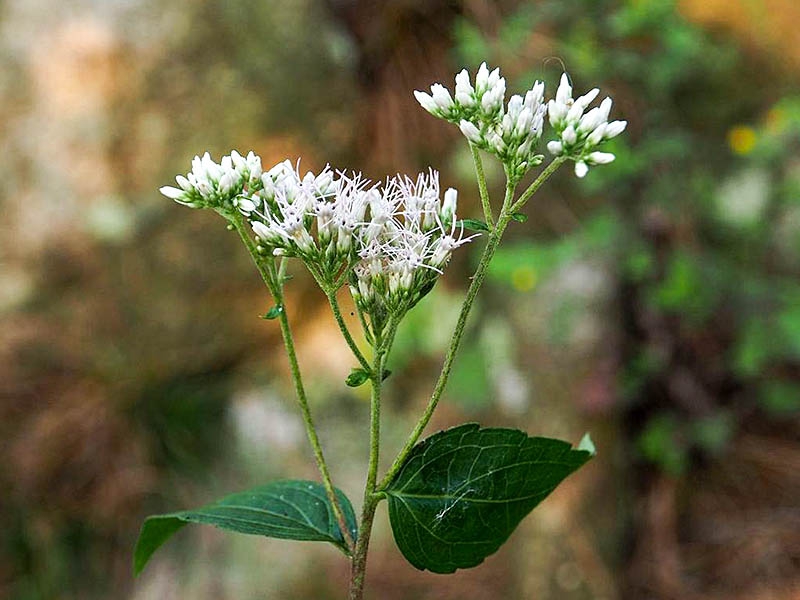
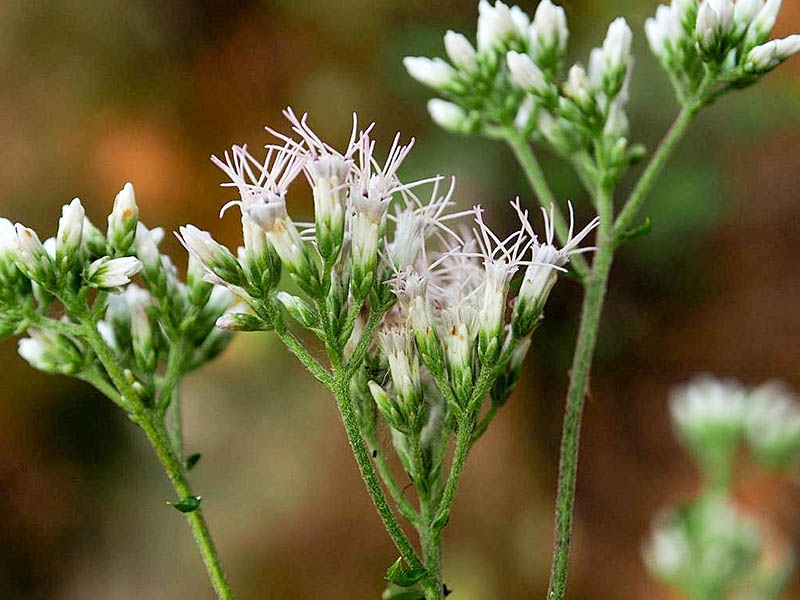
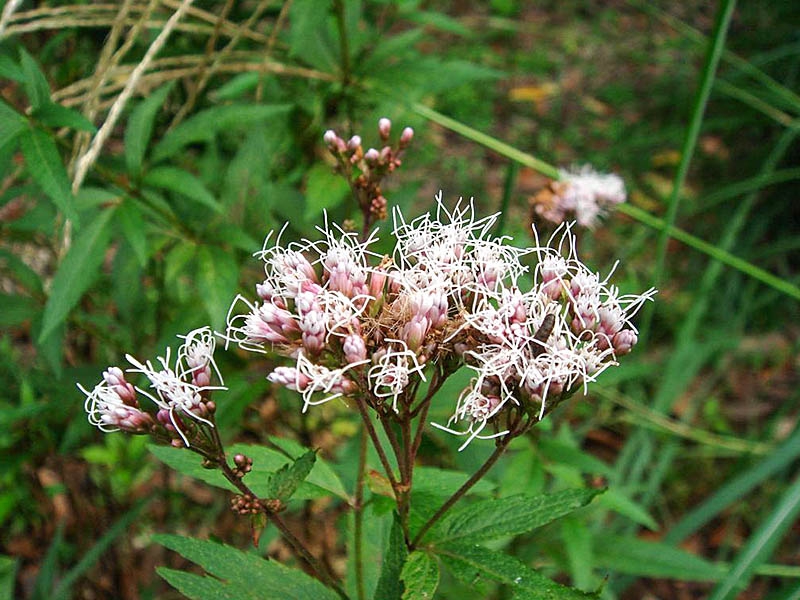
Eupatorium japonicum is a perennial herbaceous plant belonging to the Asteraceae family, native to East Asia, including Korea. The following is information regarding this plant's growth characteristics, propagation methods, cultivation methods, garden uses, and major pests and diseases and control methods. Growth Characteristics: - Habitat: It mainly grows in moist mountainous areas or forest edges. - Size: It can grow up to approximately 1 to 1.5 meters when mature. - Leaves: They are pinnately arranged with roughly serrated margins. - Flowers: Small pink to white flowers bloom from summer to autumn, and the inflorescence is corymbose. Propagation Methods: - Seed Propagation: Harvest mature seeds in autumn and sow them the following spring. - Cutting Propagation: It can be propagated by stem cuttings in spring or early summer. Cultivation Methods: - Soil: It thrives in well-drained soil rich in organic matter. It prefers slightly acidic to neutral soil. - Sunlight: It grows well in partial shade to full sun, but thrives more in areas with some shade rather than full sun. - Watering: It should maintain moderate moisture, and it is best to avoid overwatering. Uses in the Garden: - Ornamental: It is popular as a landscape plant due to its tall stature and elegant flower clusters. - Ecological Gardening: It is widely used in ecological gardens due to its ability to attract butterflies and bees. Important Pests and Control Methods: - Pests and Diseases: As a relatively hardy species, it is not susceptible to major pests. However, root rot may occur if the soil is overwatered. - Control Methods: Select well-drained soil and manage it in an eco-friendly manner by using biological control methods when necessary. Yaponicum japonicum is a relatively easy-to-care-for plant and can be usefully utilized when creating a nature-friendly garden.
Plant Family
Asteraceae
Height
60~100cm
Colors
amethyst
Bloom Period
August~September
Water Needs
commonly
Exposure
semi-shaded area
Freezing Resistance
-15°C
bone mulberry
Eupatorium makinoi
var.
oppositifolium
Glehni
Eupatorium glehni