English
한국어
English
Español
中文
हिंदी
Home
News
Community
Dictionary
English
한국어
English
Español
中文
हिंदी
View list
Glehni
Eupatorium glehni
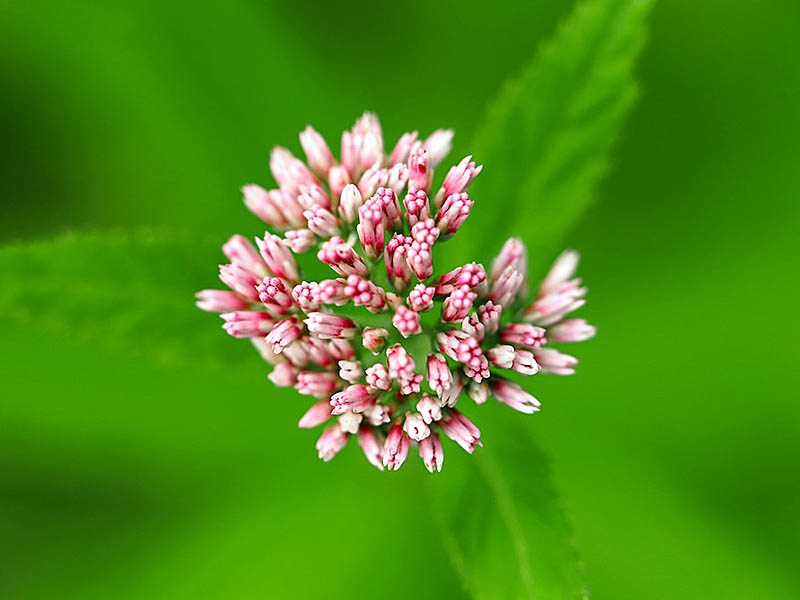
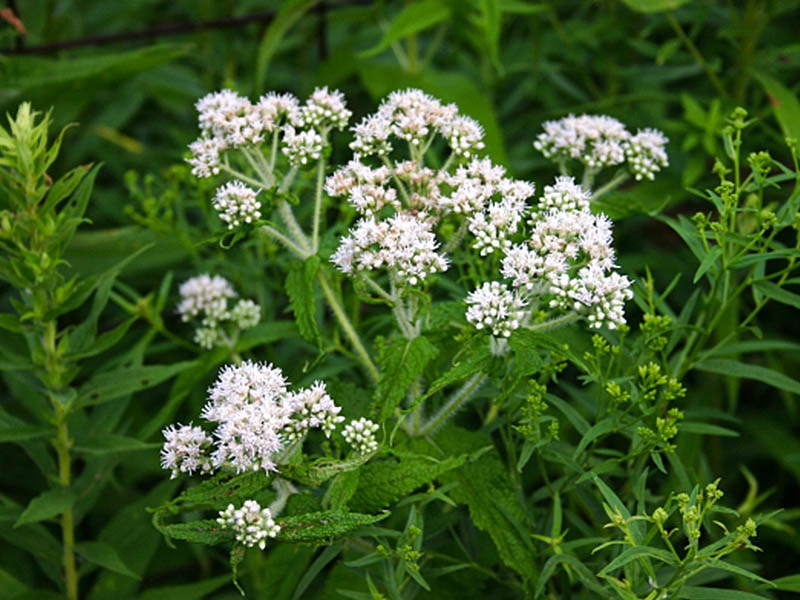
Eupatorium glehni is a perennial plant belonging to the Asteraceae family, primarily distributed in East Asia. The following describes the plant's growth characteristics, propagation methods, cultivation methods, garden uses, major pests and diseases, and control methods. Growth Characteristics - Morphology: It grows to a height of approximately 1.5 meters or more, with straight and sturdy stems. The leaves are arranged alternately, are elongated oval or egg-shaped, and have serrated margins. - Flowering Period: White or light pink flowers usually bloom between July and September, forming corymbs. - Habitat: It can grow in various environments, including mountains, fields, meadows, and forest edges. Propagation Methods - Seed Propagation: It is common practice to collect mature seeds in the autumn and sow them directly in the following spring or autumn. - Vegetative Propagation: Propagation is also possible via root division or stem cuttings. Stem cuttings are primarily performed in spring or early summer. Cultivation Methods - Soil: It prefers well-drained soil, and slightly acidic to neutral soil is suitable. - Sunlight: It thrives in a variety of light conditions, ranging from partial shade to full sun. - Watering: Maintain adequate moisture in a well-drained environment. Care must be taken to avoid overwatering. - Fertilizer: If necessary, a small amount of slow-release fertilizer can be applied in the spring. Uses in Gardens - Landscape Plant: It is used as a landscape plant due to its tall stature and showy flowers. - Medicinal Plant: In some regions, it is used as a traditional medicine. Important Pests and Control Methods - Diseases: While generally resistant to diseases, leaves may rot in humid environments. It is important to avoid overwatering and maintain good ventilation. - Pests: Pests such as aphids and scale insects may occur. To control them, observe the plant periodically and use appropriate insecticides if necessary. Glechnis is a relatively easy plant to care for, but it can be grown healthily with the right environment and attention. It can be arranged harmoniously with other landscape plants in the garden to create a beautiful ecosystem.
Plant Family
Asteraceae
Height
30~130cm
Colors
white, pink
Bloom Period
August~September
Water Needs
commonly
Exposure
semi-shaded area
Freezing Resistance
-30°C
bone mulberry
Eupatorium japonicum
New-backed bone mulberry
Eupatorium fortunei