English
한국어
English
Español
中文
हिंदी
Home
News
Community
Dictionary
English
한국어
English
Español
中文
हिंदी
View list
New-backed bone mulberry
Eupatorium fortunei
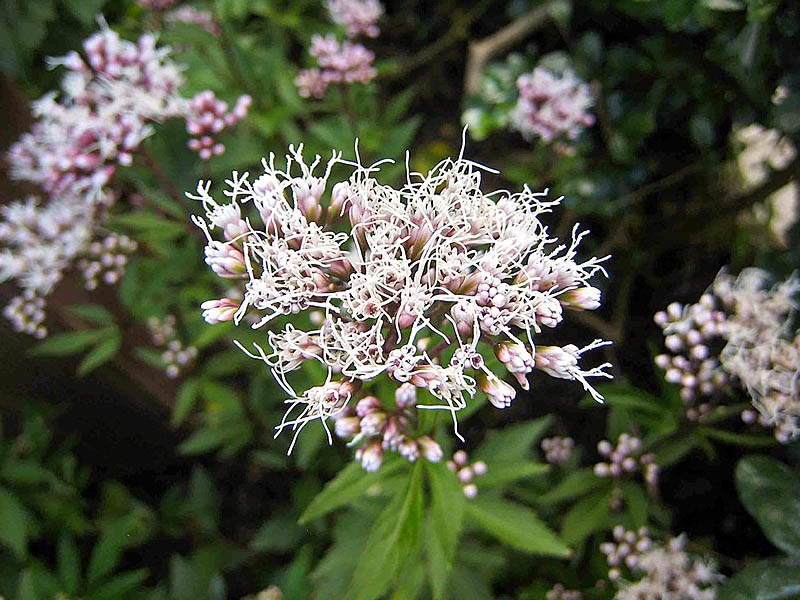
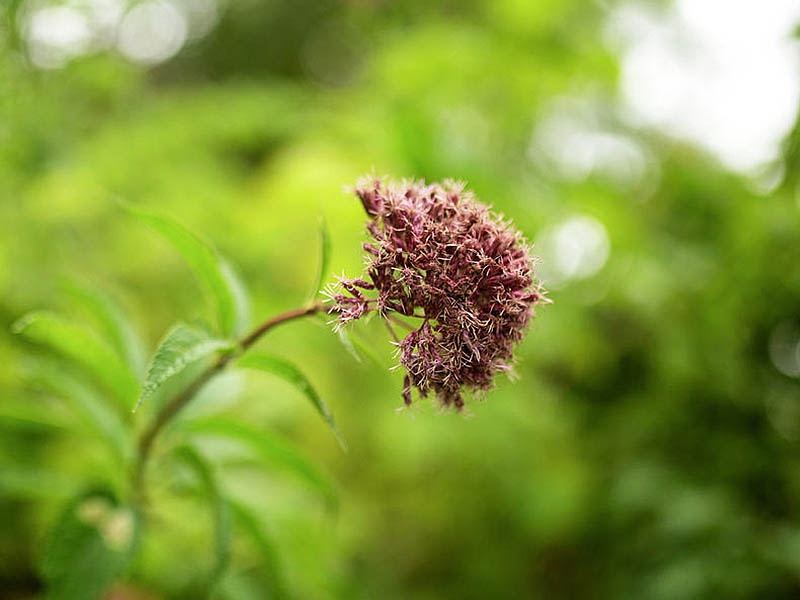
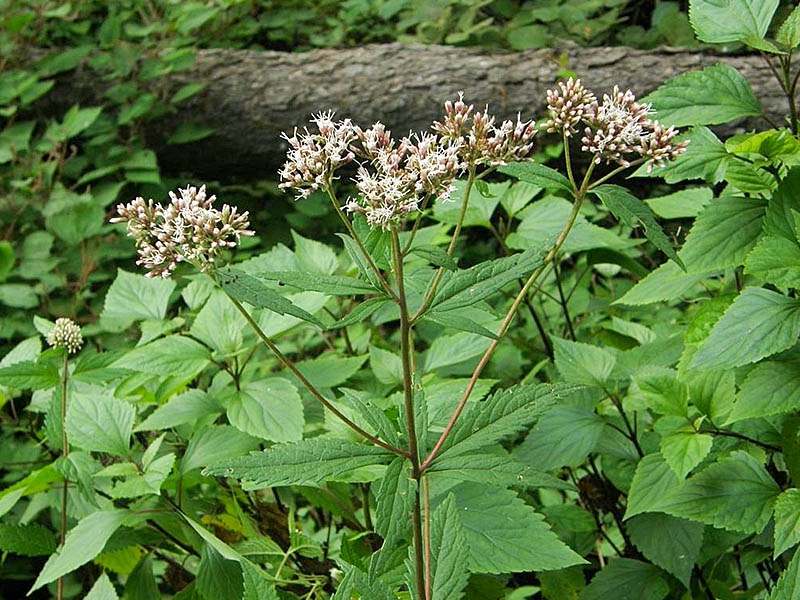
Eupatorium fortunei is a perennial plant. Through the following information, we will examine its growth characteristics, propagation methods, cultivation methods, garden uses, and major pests and diseases, as well as control methods. Growth Characteristics - Height: It generally grows to a height of 60–100 cm. - Leaves: They are elongated oval-shaped, arranged opposite each other, and have fine serrations along the edges. - Flowers: Small flowers ranging from pale pink to white bloom in clusters from summer to autumn. - Growing Environment: It thrives in sunny locations but can also grow in partial shade. It prefers well-drained soil. Propagation Methods - Seeds: It can be propagated by sowing seeds in the spring. - Division: Dividing and planting root clumps in the autumn is also an effective method. Cultivation Methods - Soil Preparation: Prepare soil with adequate drainage and mix in compost if necessary. - Watering: Water frequently during the initial stages, but once the plant has grown well, it is best to water only when the soil surface dries out. - Fertilizer: It is beneficial to supplement with organic fertilizer during the growing season. Uses in the Garden - Landscape Plant: It is excellent as a landscape plant due to its long flowering period. - Background Plant: It is suitable for use as a background plant for other small plants. Important Pests and Control Methods - Diseases: As a relatively hardy plant, it is rarely susceptible to specific diseases; however, root rot can occur in overly wet environments. Proper drainage management is crucial. - Pests: Damage from common leaf pests may occur, and periodic insecticide application can be used to prevent this. - Control Methods: Using naturally derived insecticides or targeting appropriate chemicals based on the type of pest is effective. It is important to inspect the plant frequently for preventative purposes and detect pests early. By considering these factors, you can select the right environment and care methods for your Goldenrod fortunei to grow it healthily.
Plant Family
Asteraceae
Height
1∼1.5m
Colors
amethyst
Bloom Period
September to October
Water Needs
commonly
Exposure
semi-shaded area
Freezing Resistance
-30°C
Glehni
Eupatorium glehni
Gallaedeunggolnamul
Eupatorium makinoi