English
한국어
English
Español
中文
हिंदी
Home
News
Community
Dictionary
English
한국어
English
Español
中文
हिंदी
View list
Boneless plant 'Baby Joe'
Eupatorium dubium
'Baby Joe'
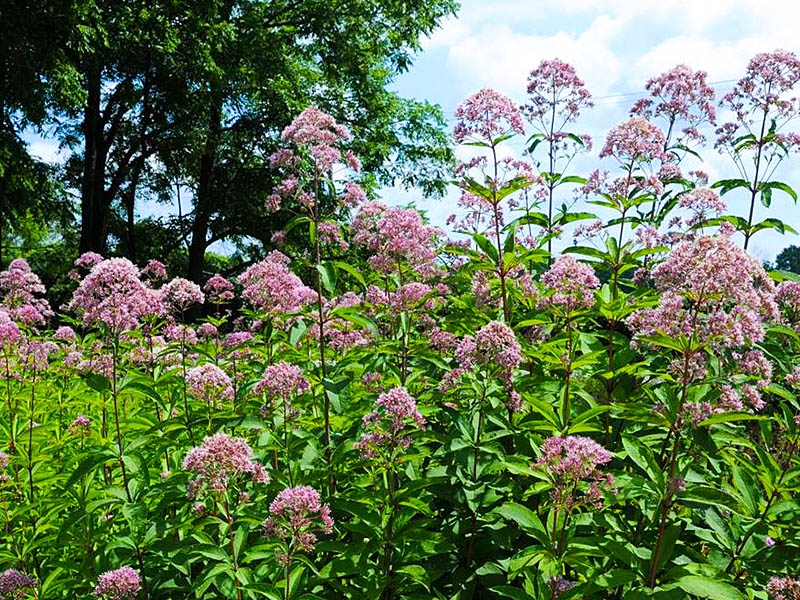
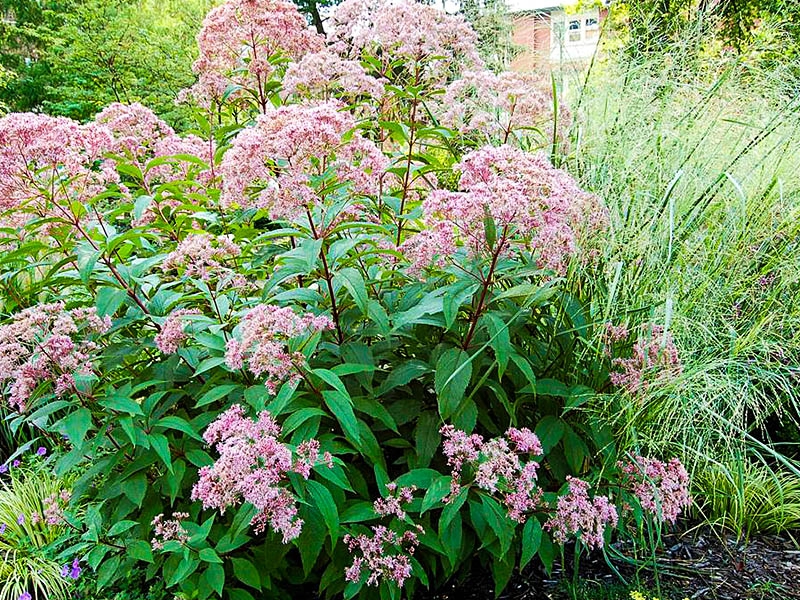
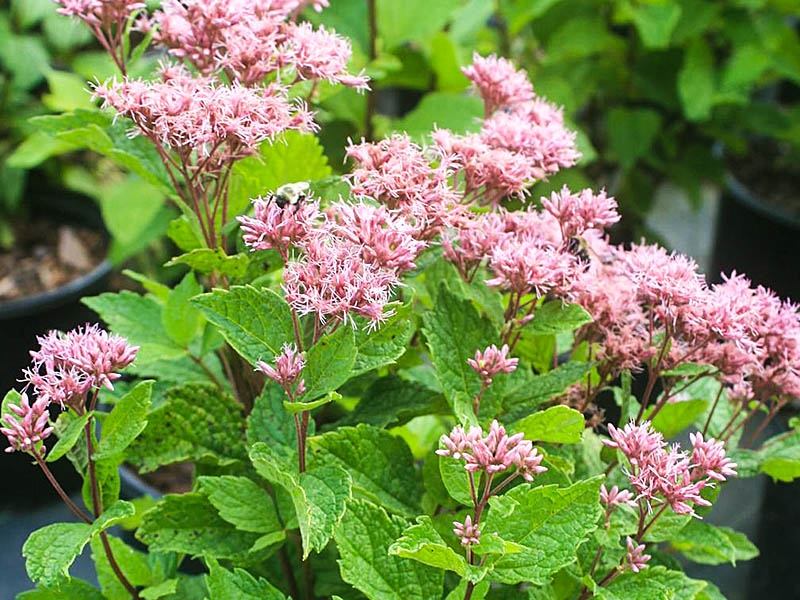
Eupatorium dubium 'Baby Joe' is a perennial herbaceous plant that produces small, beautiful flowers. This plant is primarily used in gardens and landscaping and possesses the following characteristics: Growth Characteristics - Size: It typically grows to a height of 90 to 120 cm. - Flowers: Pink flowers bloom from late summer to autumn, and the inflorescence forms an umbrella shape. - Leaves: It has alternate, oval-shaped leaves. - Sunlight: It thrives in environments with plenty of sunlight. - Soil: It prefers well-drained soil that retains moisture. Propagation Methods - Seeds: Seeds can be sown indoors in the spring or directly outdoors later on. - Division: Propagation is possible by dividing the root ball in the spring or autumn. Cultivation Methods - Soil Preparation: Select well-drained soil rich in organic matter. 2. Planting: Maintain a planting spacing of 30–45 cm to provide ample space for the plants to grow. - Watering: Water thoroughly when the topsoil dries out. - Fertilization: Provide nutrients using slow-release fertilizer between late winter and early spring. Garden Uses - Ornamental Value: The 'Baby Joe' boneless plant is a flower that can be the centerpiece of the garden during summer and autumn. - Wildlife Attraction: As a plant that attracts butterflies and bees, it is suitable for ecological gardens. Important Pests and Control Methods - Pests and Diseases: It is generally resistant to disease, but some leaf mold may occur in high-density areas. - Control Methods: - Plant the plants to ensure good ventilation. - Use fungicides preventively if necessary. - Promptly remove diseased leaves to prevent the spread. Based on the information above, you can successfully cultivate the 'Baby Joe' boneless plant. I hope you grow beautiful and healthy plants in your garden.
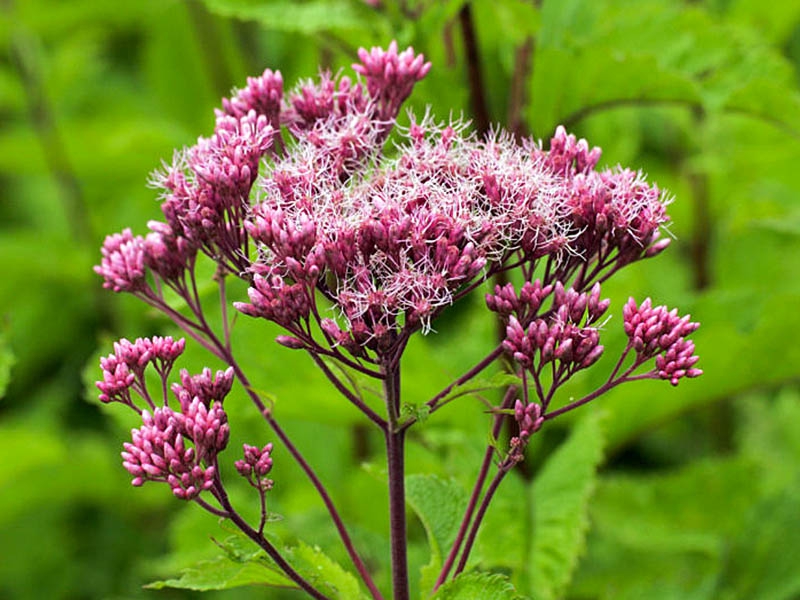
Plant Family
Asteraceae
Height
60~90cm
Spread
30~60cm
Colors
purple
Bloom Period
July to September
Water Needs
commonly
Exposure
Sunny
Freezing Resistance
-30°C
Atropurpurium
Eupatorium maculatum
'Atropurpureum'
Chaewungak
Euphorbia trigona