English
한국어
English
Español
中文
हिंदी
Home
News
Community
Dictionary
English
한국어
English
Español
中文
हिंदी
View list
Euphorbia Mauritanica
Euphorbia mauritanica
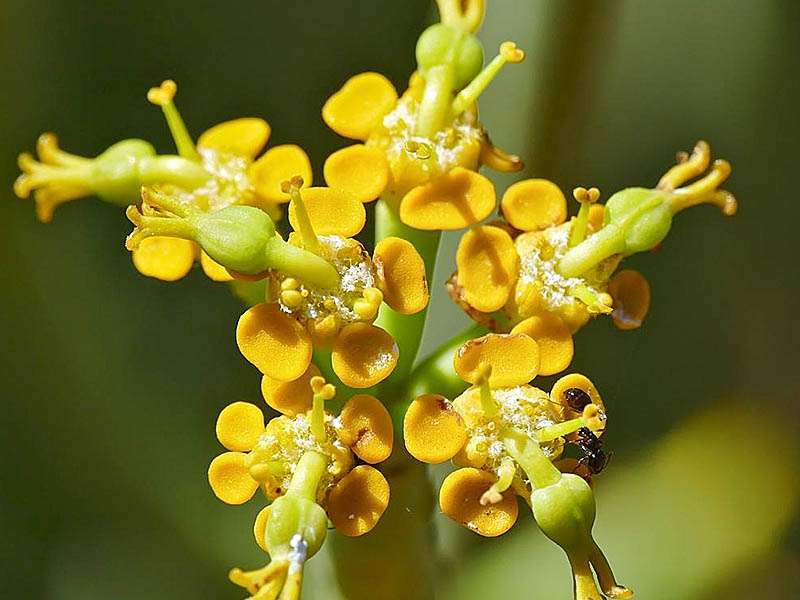
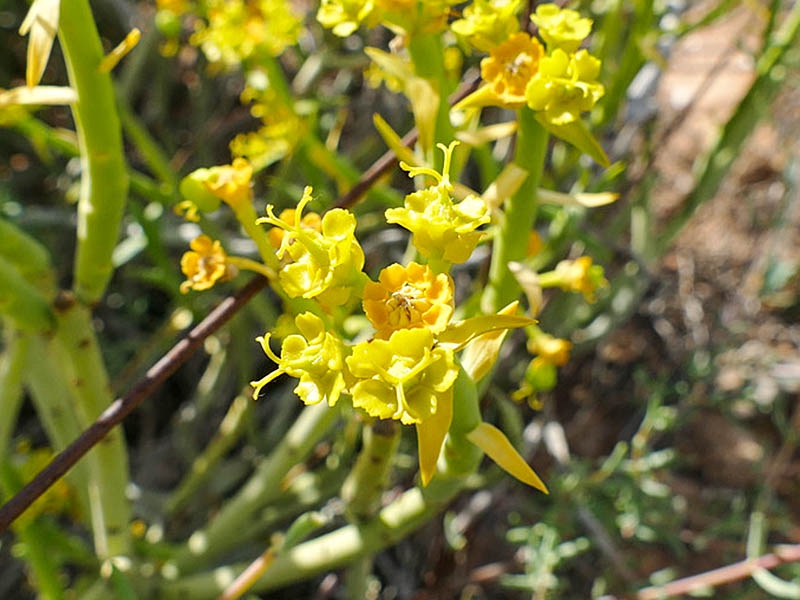
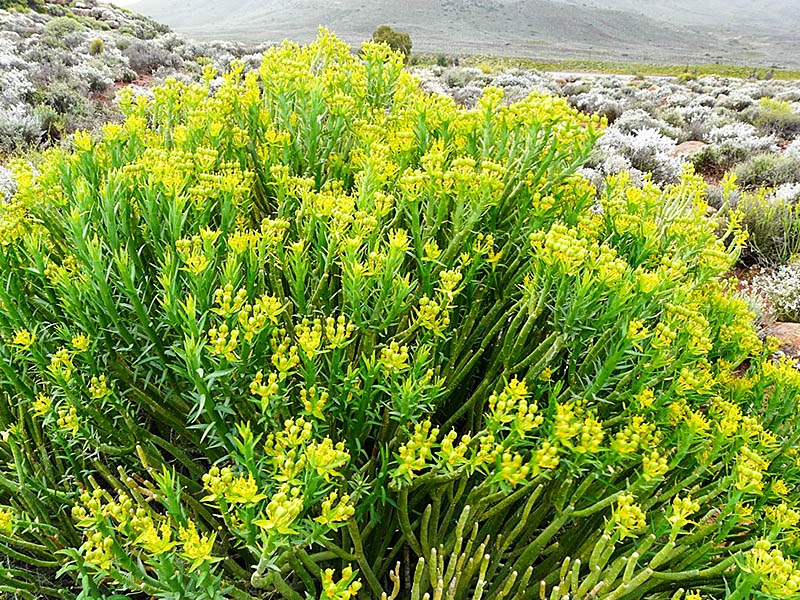
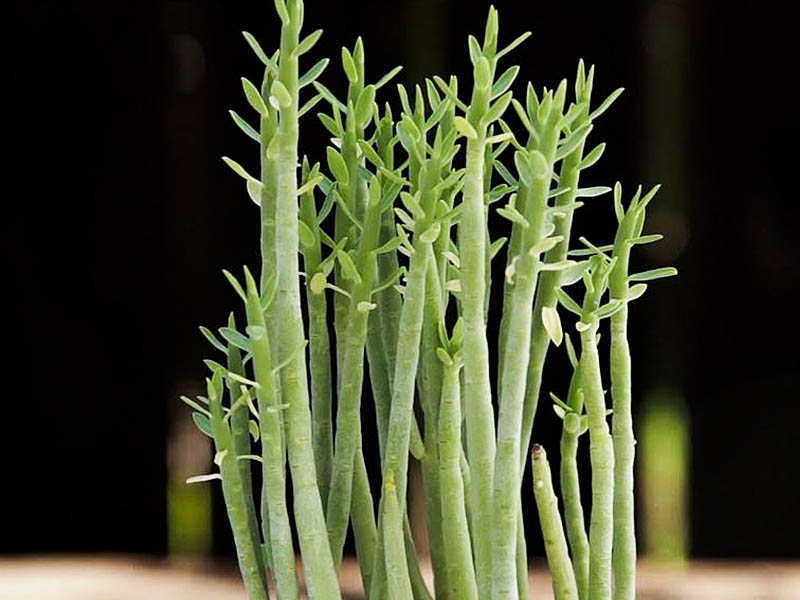
Euphorbia mauritanica has the following growth characteristics, propagation methods, cultivation methods, garden uses, major pests and diseases, and control methods. Growth Characteristics - Plant Form: It is a succulent plant that grows in a bushy form with yellow flowers blooming from the stems. - Habitat: It is native mainly to the arid regions of Africa and prefers dry, sunny environments. - Tolerance: It tolerates relatively dry environments and heat well, but is somewhat sensitive to cold. Propagation Methods - Seed Propagation: Seeds can be collected and sown; germination is best in warm, sunny environments. - Cuttings: Mature stems can be cut and propagated as cuttings. The cut stems should be dried for a while before planting. Cultivation Methods - Soil: It thrives in well-draining soil mixed with sand or gravel. - Watering: Care must be taken to avoid overwatering; it is recommended to water only after the soil is completely dry. - Sunlight: Direct sunlight is suitable, requiring at least 6 hours of sunlight per day. - Temperature: It prefers warm temperatures, so it is recommended to grow it indoors during the winter. Uses in the Garden - Border Planting: It is excellent for hedges or borders. - Substitute for Sedum: It fits well in dry gardens or rock gardens. - Ornamental: The yellow flowers can add a unique accent to the garden. Important Pests and Control Methods - Diseases: Root rot can occur due to excessive moisture, so well-drained soil is important. - Pests: Aphids and scale insects may occur; washing with water or wiping with soapy water is effective in the early stages of infestation. - Control: Use appropriate insecticides if necessary, but prioritize natural control methods. Based on this information, you can grow healthy Euphorbia mauritanica.
Plant Family
Euphorbia
Height
1.5m
Colors
yellow
Bloom Period
August to October
Water Needs
Bad
Exposure
Sunny
Freezing Resistance
-5°C
Euphorbia recinifera
Euphorbia resinifera
Euphorbia mamillaris
Euphorbia mammillaris