English
한국어
English
Español
中文
हिंदी
Home
News
Community
Dictionary
English
한국어
English
Español
中文
हिंदी
View list
Euphorbia lactea
Euphorbia lactea
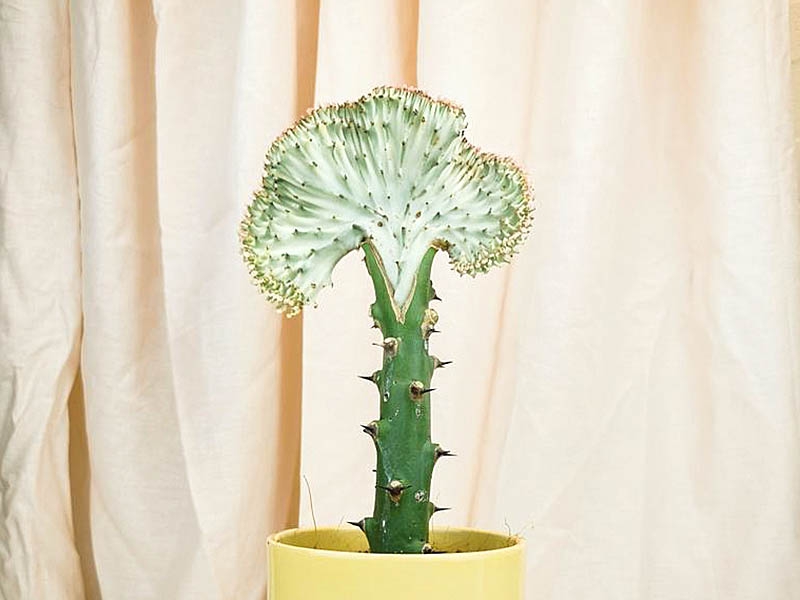
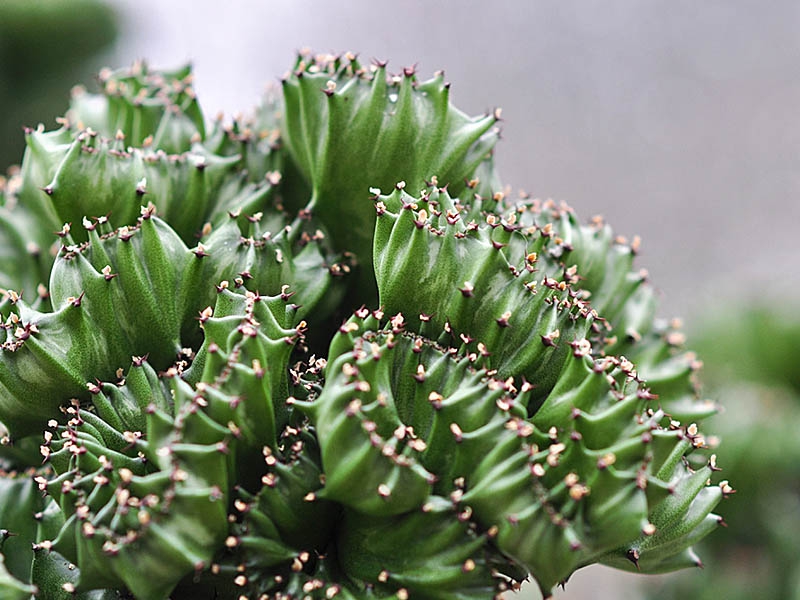
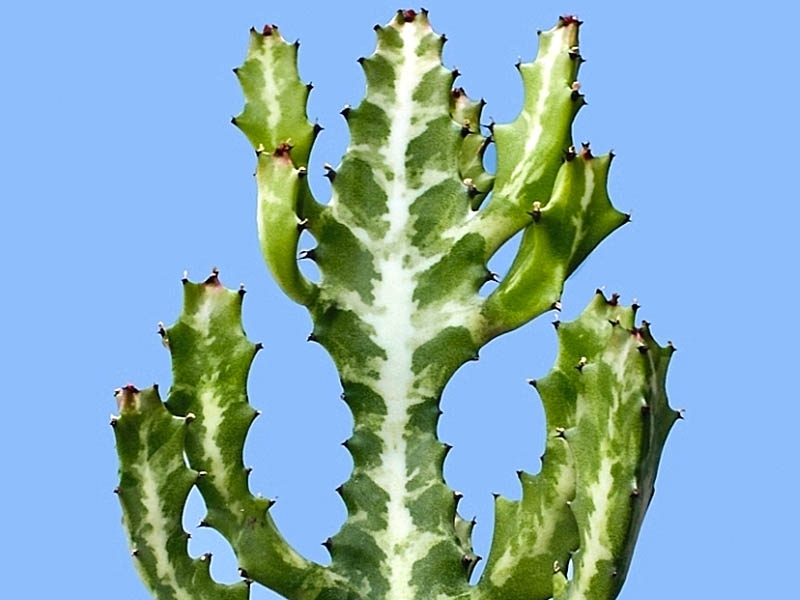
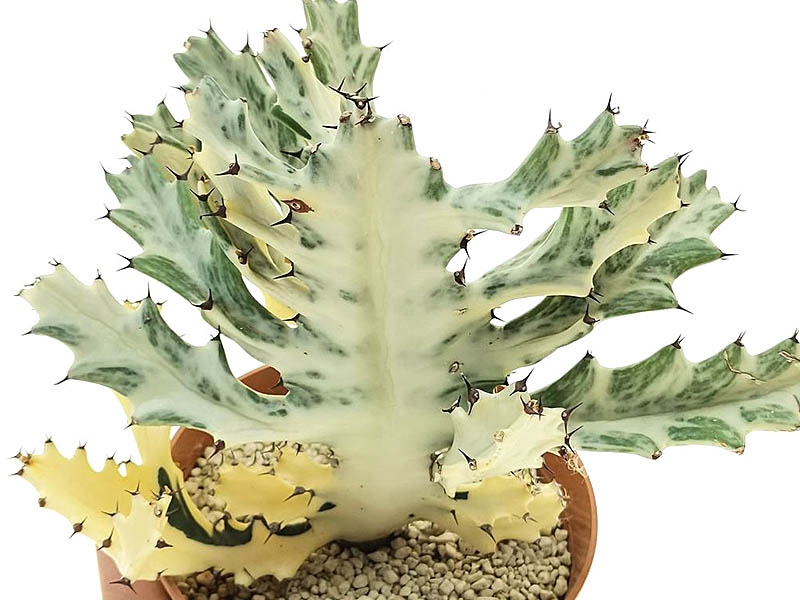
Introduction to Euphorbia lactea Euphorbia lactea is a succulent plant with a unique appearance. It is popular as an ornamental plant due to the common variety of colors and shapes found in its mutated forms. Growth Characteristics - Sunlight: It prefers direct sunlight but can also thrive in partial shade. - Temperature: It prefers a warm climate; growth may slow down in cool temperatures. It is recommended to keep it indoors during the winter. - Soil: It prefers well-draining soil, and it is advisable to use soil specifically designed for succulents. Propagation Methods - Cuttings: Cuttings are the most common method. Dry the cut end to remove any stickiness before planting it in soil. - Seeds: You can propagate using seeds obtained from a nursery, but this method takes more time than cuttings. Cultivation Methods - Use a well-draining pot. When watering, ensure the soil is completely dry before watering thoroughly. - Use pots and soil with good drainage to avoid overwatering. Uses in the Garden - Euphorbia lactea is widely used as a garden or indoor plant due to its unique appearance and colors. In particular, planting a combination of various varieties can create an even more attractive garden. Important Pests and Control Methods - Pests and Diseases: While generally resistant to pests and diseases, it can be susceptible to root rot caused by overwatering and attacks by scale insects. - Control Methods: - Avoid Overwatering: Ensure good drainage to prevent root rot. - Scale Insect Control: Remove scale insects with an alcohol-soaked cotton swab, or use an appropriate insecticide if necessary. Euphorbia lactea is a plant loved by many for its unique appearance and ease of care. Healthy growth can be promoted through proper environment and care.
Plant Family
Euphorbia
Height
1.5~4.5m
Spread
3~5cm
Colors
pink
Bloom Period
April to August
Water Needs
Bad
Exposure
semi-shaded area
Freezing Resistance
-2°C
Euphorbia redienii var. redienii
Euphorbia ledienii
var.
ledienii
Supervised Kansui
Euphorbia kansui