English
한국어
English
Español
中文
हिंदी
Home
News
Community
Dictionary
English
한국어
English
Español
中文
हिंदी
View list
Euphorbia Atrispina
Euphorbia atrispina
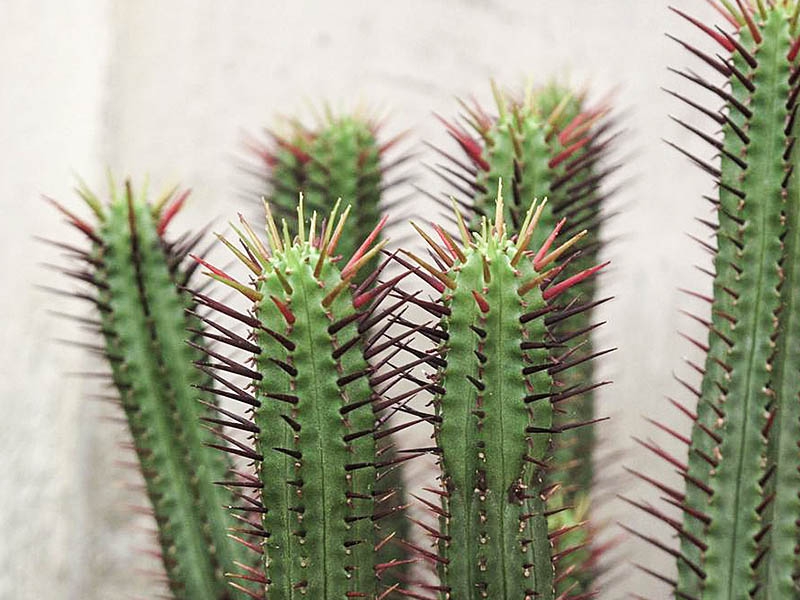
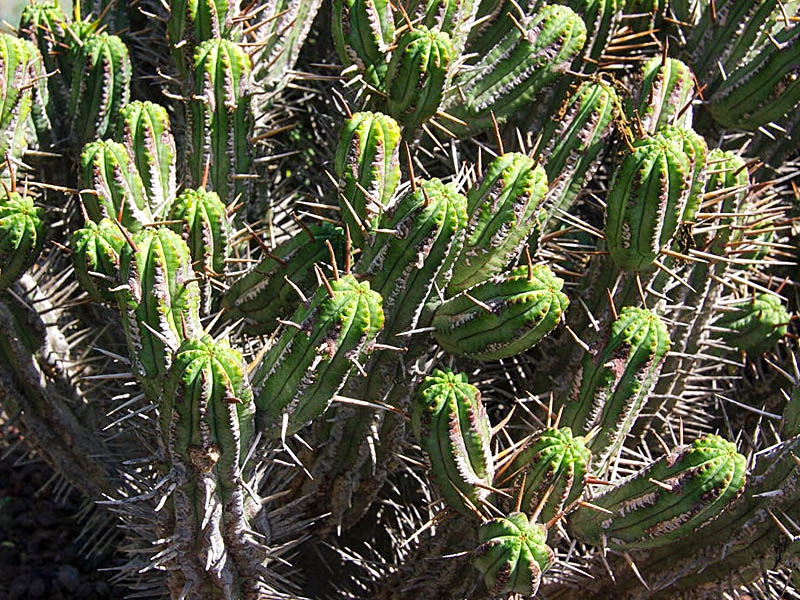
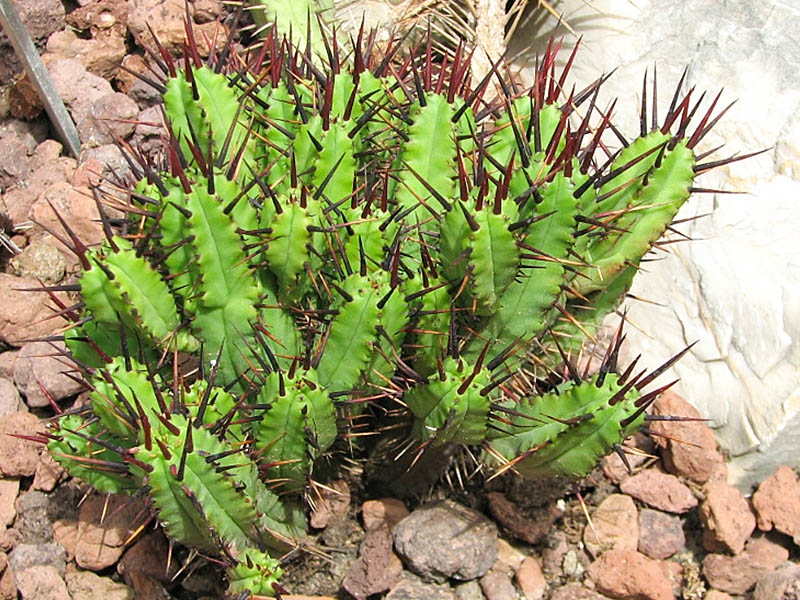
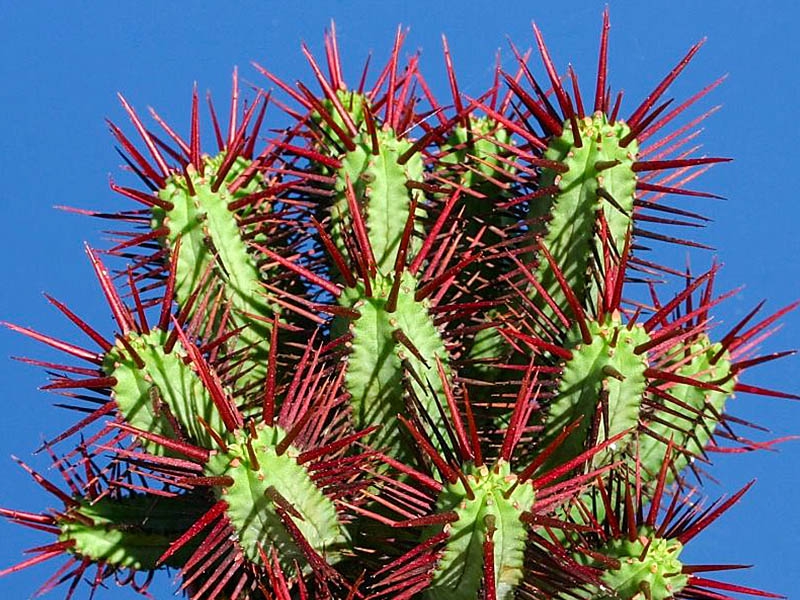
Euphorbia atrispina is a succulent plant native primarily to the South African region. The following is information regarding the plant's growth characteristics, propagation methods, cultivation methods, garden uses, major pests and diseases, and control methods. Growth Characteristics - Growth Form: A perennial shrub-type succulent with spiny stems and uniquely shaped leaves. - Growing Environment: It prefers sunny locations and thrives in well-drained soil. It is tolerant of dry conditions but susceptible to overwatering. - Temperature: It grows better in warm climates than in cool ones, and may require some insulation during the winter. Propagation Methods - Seed Propagation: It can be propagated by seeds, but the germination rate may be low. - Cuttings: A stem can be cut, dried, and then planted in watered soil to grow into a new plant. Cultivation Methods - Soil: It must be planted in well-draining soil specifically designed for succulents or in sandy soil. - Watering: Water when the topsoil is completely dry, and reduce watering even further during the winter. - Fertilizer: During the growing season, you may lightly apply fertilizer for succulents. Uses in the Garden - Landscaping: Due to its unique shape, it can be used as an accent plant in garden landscaping. - Containers: It is ideal for growing on terraces or indoors by planting it in small pots or containers. Important Pests and Control Methods - Diseases: Root rot can occur due to overwatering; to prevent this, well-draining soil and proper watering are required. - Pests: Be wary of common enemies such as scale insects and aphids; periodic inspections and the use of insecticides are recommended to prevent them. Based on this information, Euphorbia atrispina can grow healthily if cared for properly.
Plant Family
Euphorbia
Height
20cm
Colors
yellow
Bloom Period
April~May
Water Needs
Bad
Exposure
Sunny
Freezing Resistance
-5°C
Euphorbia Abbasmontana
Euphorbia avasmontana
Euphorbia apilae
Euphorbia aphylla