English
한국어
English
Español
中文
हिंदी
Home
News
Community
Dictionary
English
한국어
English
Español
中文
हिंदी
View list
Euphorbia Palustris
Euphorbia palustris
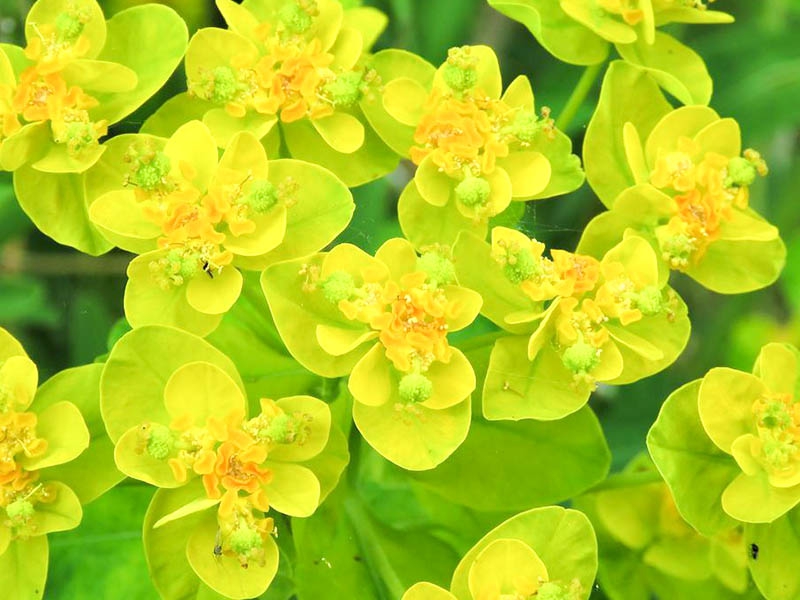
Euphorbia palustris is a perennial plant that grows in wetlands and possesses the following characteristics: Growth Characteristics - Habitat: It primarily grows in wetlands and riversides in Europe and Asia, preferring high water temperatures. - Size: It grows up to approximately 1.2 meters tall and is about 1 meter wide when mature. - Flowers: It blooms with yellow flowers from spring to early summer. The flowers are small and clustered, making them highly ornamental. - Leaves: The long, oval leaves are bright green during the summer and turn golden yellow in the autumn. Propagation Methods - Seed Propagation: Harvest mature seeds in the summer and sow them directly in late autumn or early spring. - Division Propagation: It can be propagated in spring or autumn by dividing and planting the clumps of roots. Cultivation Methods - Location: It prefers sunny locations but can also grow in partially shaded areas. - Soil: It thrives in moist, well-drained soil. It is ideal for planting near water or ponds. - Watering: Water thoroughly to ensure the soil maintains consistent moisture. Water more frequently during dry periods. Uses in Gardens- It is used in wetland gardens and for planting along pond edges. Additionally, it forms colonies to create a voluminous landscape, making it suitable for landscaping. Important Pests and Control Methods- Euphorbia palustris is relatively resistant to pests and diseases, but it can occasionally be damaged by aphids or slugs. - Aphid Control: Control is possible by spraying soapy water. In severe cases, insecticides can be used. - Slug Control: Use slug bait or physically block them using copper tape. Based on the information above, you can keep your Euphorbia palustris healthy and beautiful.
Plant Family
Euphorbia
Height
60~90cm
Spread
60~90cm
Colors
yellow
Bloom Period
May to August
Water Needs
commonly
Exposure
Sunny
Freezing Resistance
-30°C
Euphorbia polychroma
Euphorbia mircinites
Euphorbia myrsinites