English
한국어
English
Español
中文
हिंदी
Home
News
Community
Dictionary
English
한국어
English
Español
中文
हिंदी
View list
Large mountain millet
Euphrasia hirtella
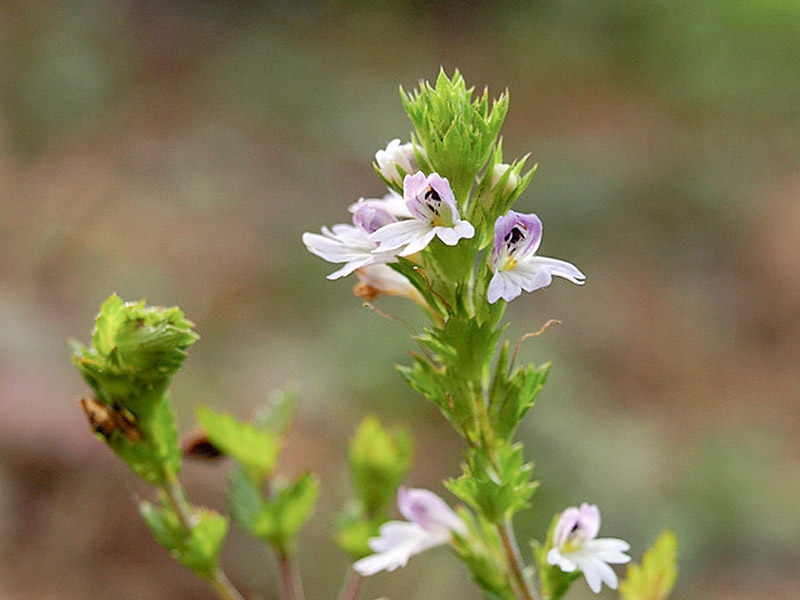
Euphorasia hirtella is a perennial plant that grows primarily in alpine regions. The following is information regarding this plant's growth characteristics, propagation methods, cultivation methods, garden uses, major pests and diseases, and control methods. Growth Characteristics - Habitat: Grows in mountainous areas at high altitudes. - Growing Conditions: Prefers locations with ample sunlight and thrives in well-drained soil. - Form: A small, compact herb that produces delicate white or purple flowers. Propagation Methods - Seed Propagation: Seeds can germinate if sown in early spring, with germination beginning within approximately 2-3 weeks of sowing. - Plant Separation: If new shoots emerge from the roots, they can be separated for propagation. Cultivation Methods - Soil Selection: Well-drained soil mixed with sand or gravel is suitable. - Watering: Avoid excessive shade or moisture, and water appropriately. - Fertilizer: Applying a small amount of organic fertilizer is beneficial. Uses in the Garden - Landscape Creation: It can be utilized as part of an alpine botanical garden or a natural garden. - Ecological Garden: Planting it in an ecosystem-conscious garden provides a natural feel. Important Pests and Control Methods - Diseases: Root rot can occur due to excessive moisture, so proper drainage management is necessary. - Pests: While there are not many specific pests, caution is required regarding small pests such as Aphids. - Control Methods: In case of pest infestation, use natural fibers or spray with diluted soapy water. Based on this information, you will be able to grow the large mountain thyme (Hyrtella) healthily.
Plant Family
Scrophulariaceae
Height
10~40cm
Colors
white, purple
Bloom Period
June to August
Water Needs
commonly
Exposure
Sunny
Freezing Resistance
-10°C
Euphorbia amygdaloides 'purpurea'
Euphorbia amygdaloides
'Purpurea'
hairy millet
Euphrasia retrotricha