English
한국어
English
Español
中文
हिंदी
Home
News
Community
Dictionary
English
한국어
English
Español
中文
हिंदी
View list
Rhododendron
Eurya japonica
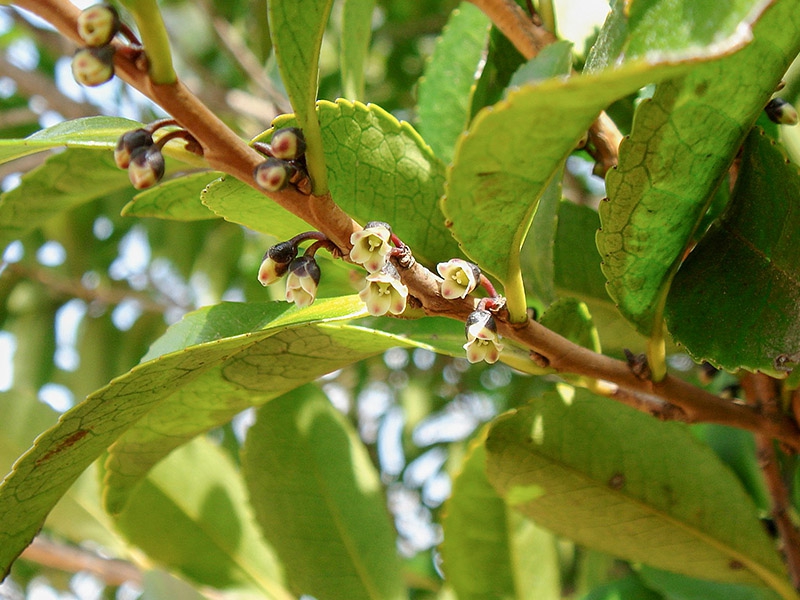
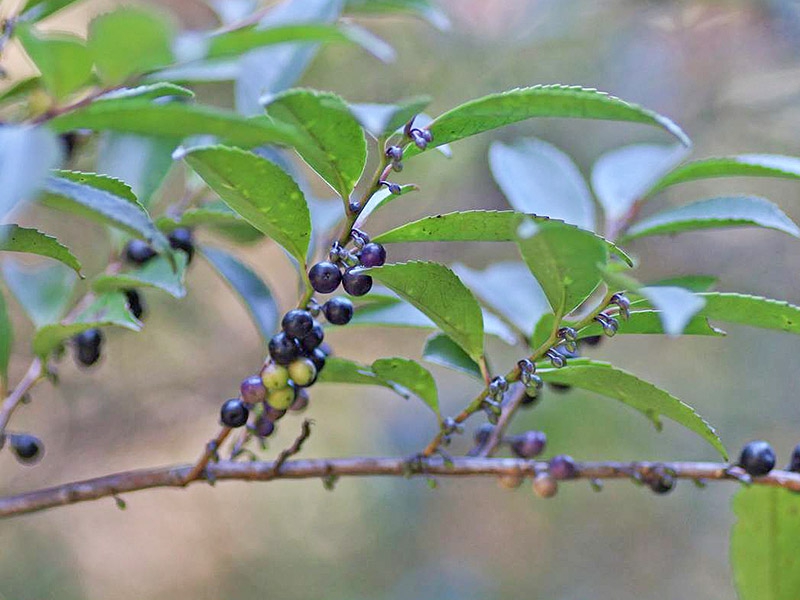
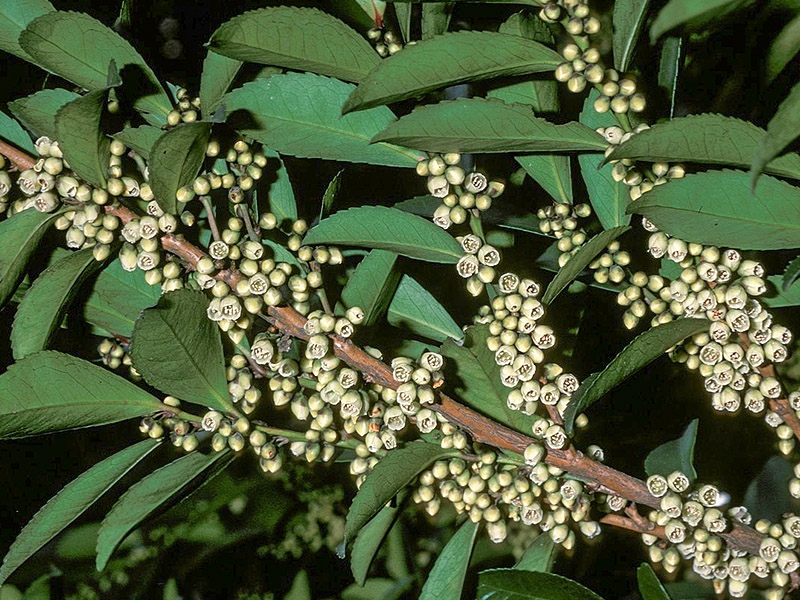
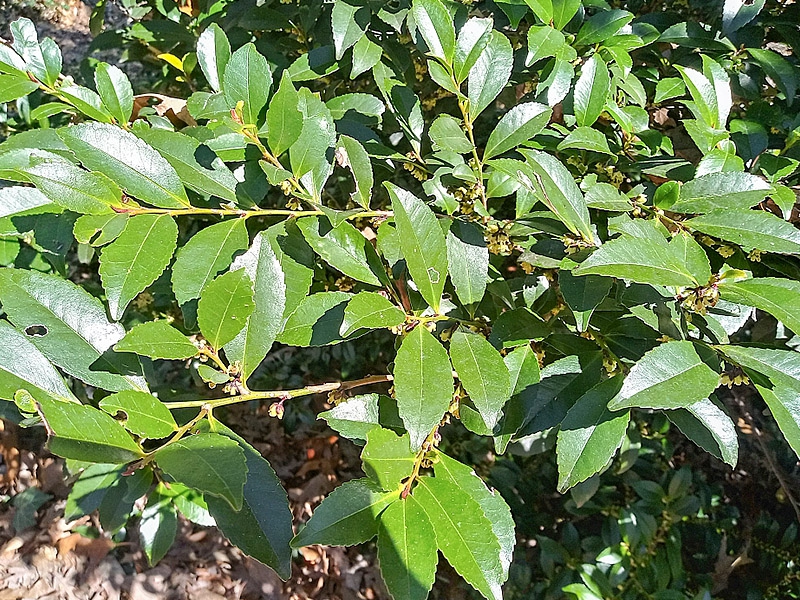
Eurya japonica is an evergreen shrub belonging to the tea family (Theaceae) and is native primarily to East Asia. The following is information regarding this plant's growth characteristics, propagation methods, cultivation methods, garden uses, and major pests and diseases, as well as control methods. Growth Characteristics - Environment: Eurya japonica thrives in sunny locations and can also grow in partial shade. Well-drained soil that is slightly acidic to neutral is preferred. - Humidity: It prefers a hot and humid environment, and additional watering is required during dry periods. - Cold Hardiness: It is relatively cold-hardy, but protection may be necessary in extreme cold. Propagation Methods - Seed Propagation: It can be propagated using seeds. To increase germination rates, it is recommended to stratify the seeds at low temperatures for about 2 to 3 months. - Cuttings: Branches can be cut and propagated in spring or early summer. Appropriate humidity and temperature are required to promote root development. Cultivation Methods - Planting: Plant with ample space to prevent roots from becoming tangled. Water regularly during the initial stage to help the roots establish themselves properly. - Fertilization: Provide nutrients using slow-release fertilizer in the spring. - Pruning: Pruning is necessary to maintain shape and promote healthy growth. Uses in the Garden - Rhododendrons thrive in shady areas and are frequently used as shrub borders or hedges. - As an evergreen, it adds vitality to the garden by providing a green landscape throughout the four seasons. Important Pests and Control Methods - Diseases: Fungal diseases can occur in humid or poorly ventilated conditions. To prevent this, it is important to maintain good ventilation and drainage conditions. - Pests: Pests such as aphids and scale insects may occur. If pests appear, they can be controlled using insecticides or the eco-friendly method of soap solution. - Prevention: Regular observation and care are crucial to detect problems at an early stage and take immediate action. The japonica rhododendron is a relatively easy plant to care for and can grow healthily with the right environment and care. When planted in the garden, it provides a continuous green landscape and can be utilized for various purposes.
Plant Family
Tea tree family
Height
1~3m
Colors
yellow
Bloom Period
March to April
Water Needs
commonly
Exposure
Sunny
Freezing Resistance
-15°C
Sabatieri moss
Eurhynchium savatieri
Umu-sasrepi
Eurya emarginata