English
한국어
English
Español
中文
हिंदी
Home
News
Community
Dictionary
English
한국어
English
Español
中文
हिंदी
View list
European beech tree 'Atrofunicia'
Fagus sylvatica
'Atropunicea'
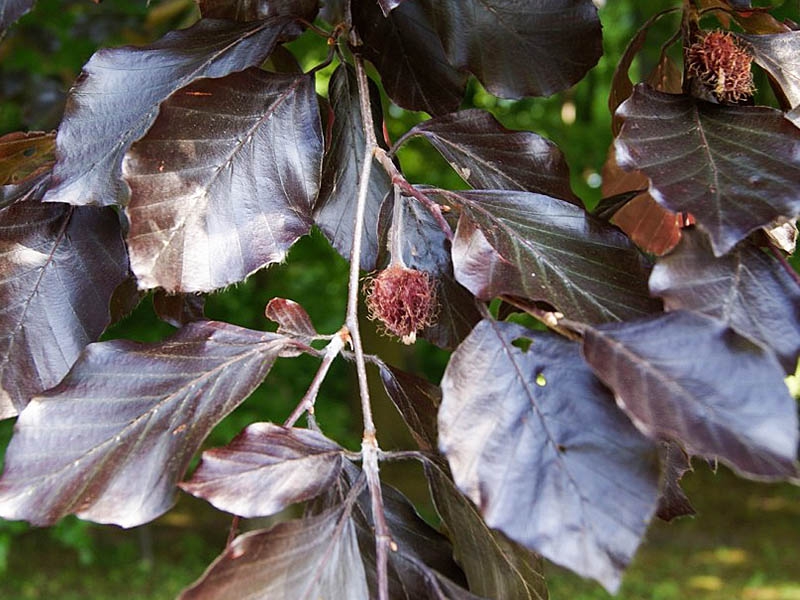
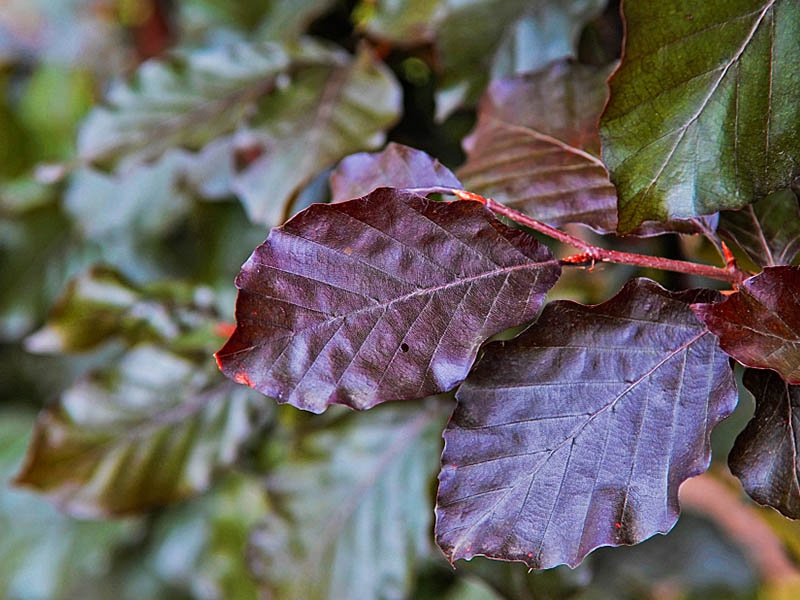
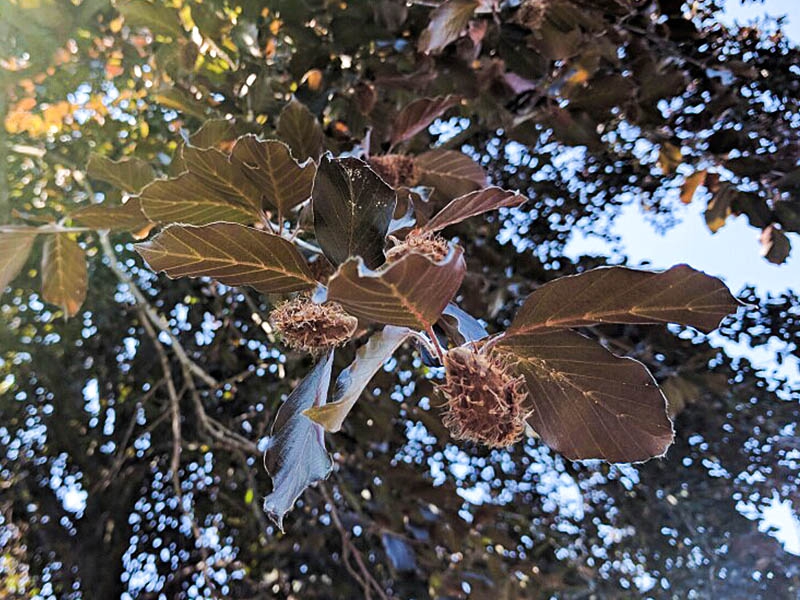
The European beech 'Atropunicea' (Fagus sylvatica 'Atropunicea') is a unique variety characterized by its red leaves. I will explain in detail its growth characteristics, propagation and management methods, garden uses, and pest and disease control. Growth Characteristics - Height and Growth: 'Atropunicea' can typically grow up to 25 meters and has a broad canopy. - Leaves and Color: New shoots are purple in the spring and turn dark red in the summer. - Environmental Adaptability: It prefers temperate climates and grows best in well-drained soil. It can also adapt to slightly acidic to neutral soils. - Salt Tolerance and Cold Hardiness: It has low salt tolerance but good cold hardiness. Propagation Methods - Seed Propagation: Harvest mature seeds in the autumn and sow them in early spring. The germination rate can be increased through a cold treatment (stratification) process. - Grafting Propagation: It can be propagated in the spring by grafting onto the rootstock of another beech species. - Layering: Another method used in the summer involves burying the tip of a branch in the ground to encourage new roots to develop. Cultivation Methods - Location Selection: A sunny spot is ideal, and a location that can block wind is also beneficial. - Water Management: Since the roots dislike being wet, it should be grown in well-drained soil; care must be taken to ensure proper drainage during the rainy season. - Fertilizer: It is recommended to apply slow-release fertilizer in the spring. Uses in the Garden - Ornamental: The red leaves serve as a visual focal point, making it suitable for planting in the center or as a backdrop in the garden. - Windbreak and Shade Provision: Its broad canopy is useful for blocking wind or providing shade. Important Pests and Diseases & Control Methods - Diseases: Caution should be exercised regarding leaf blight caused by fungi or bacteria. It is important to apply fungicides at the appropriate time and ensure good ventilation for control. - Pests: Aphids or moths may occur. Manage them through physical removal and regular pest control. - Control Methods: Reduce the risk of pests and diseases through periodic pruning and ventilation management, and control them using appropriate pesticides when they occur. If these growth characteristics and management guidelines are followed, 'Atrofunicia' can establish itself as an important decorative element in the garden.
Plant Family
Oak family
Height
15~20m
Spread
9~13m
Colors
red
Bloom Period
april
Water Needs
commonly
Exposure
Sunny
Freezing Resistance
-20°C
European beech tree 'Dawwick Gold'
Fagus sylvatica
'Dawyck Gold'
Chicken vine
Fallopia dumetorum