English
한국어
English
Español
中文
हिंदी
Home
News
Community
Dictionary
English
한국어
English
Español
中文
हिंदी
View list
Faucaria Felina
Faucaria felina
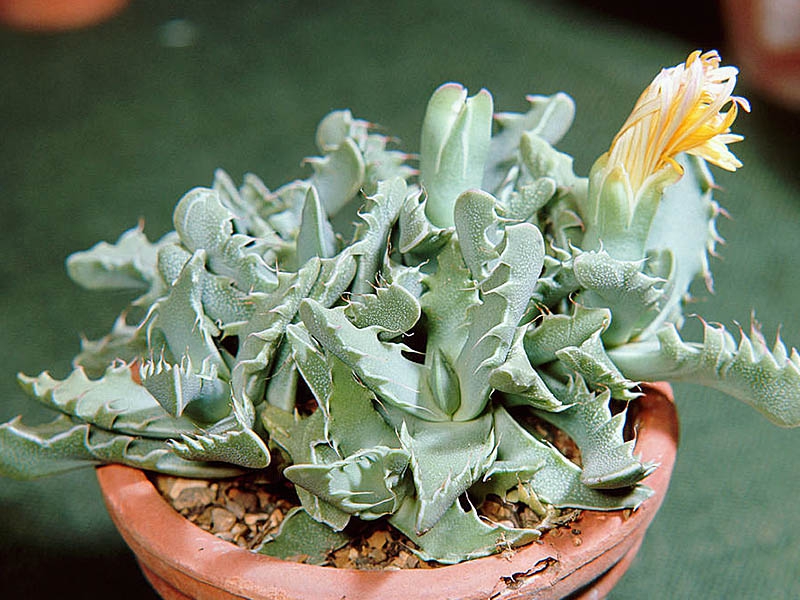
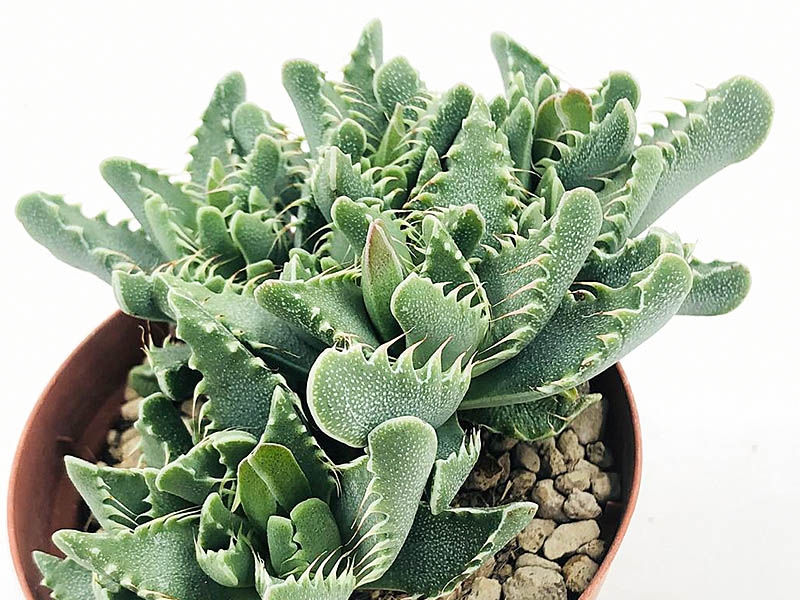
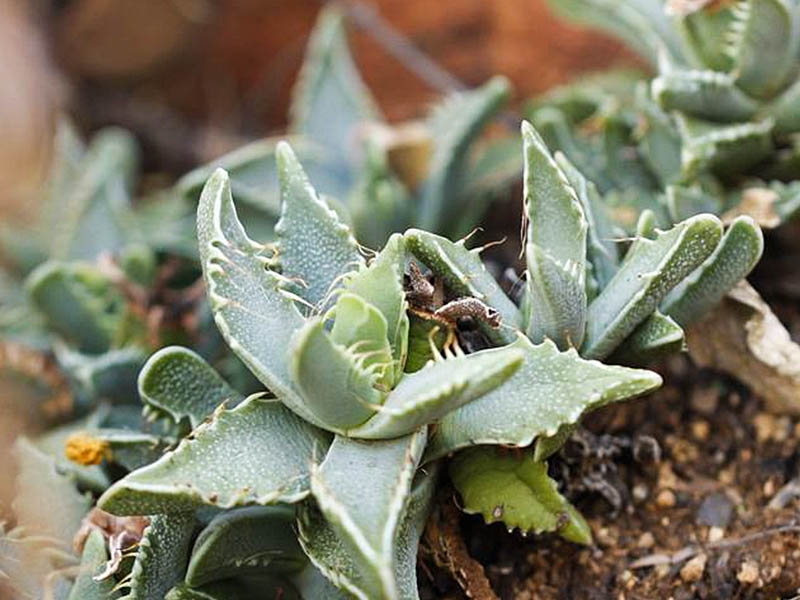
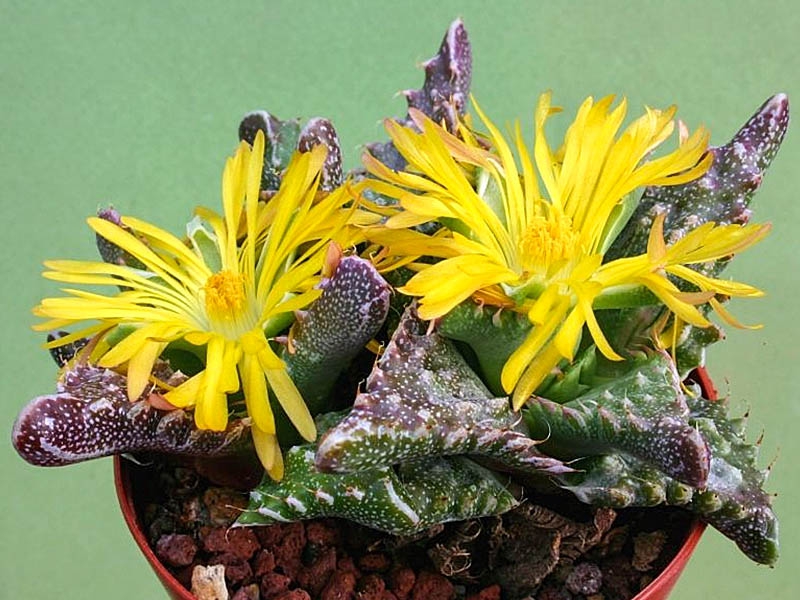
Faucaria felina is a succulent plant native primarily to South Africa that is highly popular due to its attractive appearance and ease of care. The following is information regarding Faucaria felina's growth characteristics, propagation methods, cultivation techniques, garden uses, and major pests and diseases, as well as control methods. Growth Characteristics - Light: It prefers bright indirect light, but grows well even in direct sunlight. However, caution is required as exposure to excessively strong sunlight can burn the leaves. - Temperature: The optimal growing temperature is 18–24 degrees Celsius, and it is recommended to maintain a temperature above 10 degrees Celsius during the winter. - Soil: It prefers well-draining soil. It is recommended to use soil specifically designed for succulents or to mix in sand and perlite. - Watering: It likes dry environments, and it is advisable to water thoroughly only when the soil is completely dry. Overwatering can cause root rot. Propagation Methods - Seed Propagation: It can be propagated by planting seeds, but this process is time-consuming. - Propagation by Leaf Cuttings: Detach a mature leaf, dry it for a few days, and plant it in soil to encourage new shoots to emerge. Be careful to avoid excessive moisture. Cultivation Methods - Pot Selection: Pots with drainage holes are ideal; ceramic or terracotta pots are advantageous for moisture control. - Fertilizer: It is recommended to use fertilizer specifically designed for succulents in spring and autumn. There is no need to over-fertilize. - Winter Care: Growth may temporarily stop; during this time, reduce watering and maintain the temperature. Uses in the Garden - Due to its small size and unique appearance, it is suitable for indoor mini-gardens, shelf decorations, and windowsills. Creating a flower bed with other succulents allows you to enjoy a variety of colors and textures. Important Pests and Control Methods - Mealybugs: One of the most common pests, these are small, white insects. Remove them immediately upon discovery; wiping them with soapy water or alcohol is effective. - Mold: Can occur due to overwatering; this can be prevented by improving ventilation and reducing excessive moisture. - Prevention of damage: Regular observation, proper watering, and maintaining ventilation are important. Please refer to the information above to care for your Faucaria pelina in a healthy and beautiful way.
Plant Family
Pomegranate family
Height
15cm
Colors
yellow
Bloom Period
August to October
Water Needs
commonly
Exposure
Sunny
Freezing Resistance
-5°C
Faucaria subtegra
Faucaria subintegra
Faucaria britaniai
Faucaria britteniae