English
한국어
English
Español
中文
हिंदी
Home
News
Community
Dictionary
English
한국어
English
Español
中文
हिंदी
View list
Hamata canthus cactus
Ferocactus hamatacanthus
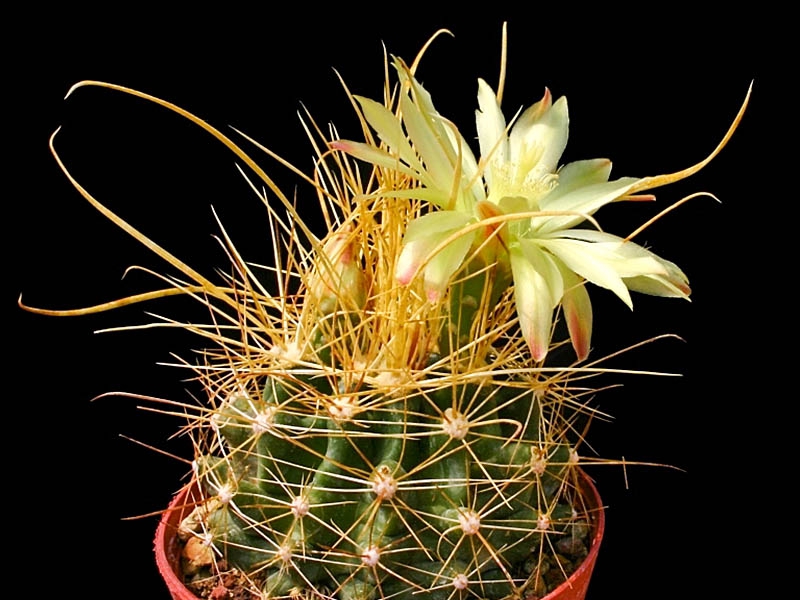
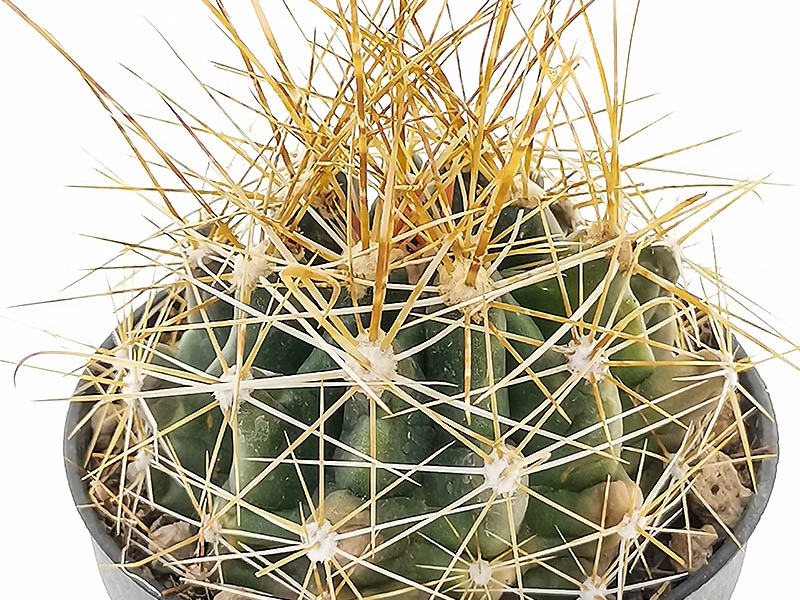
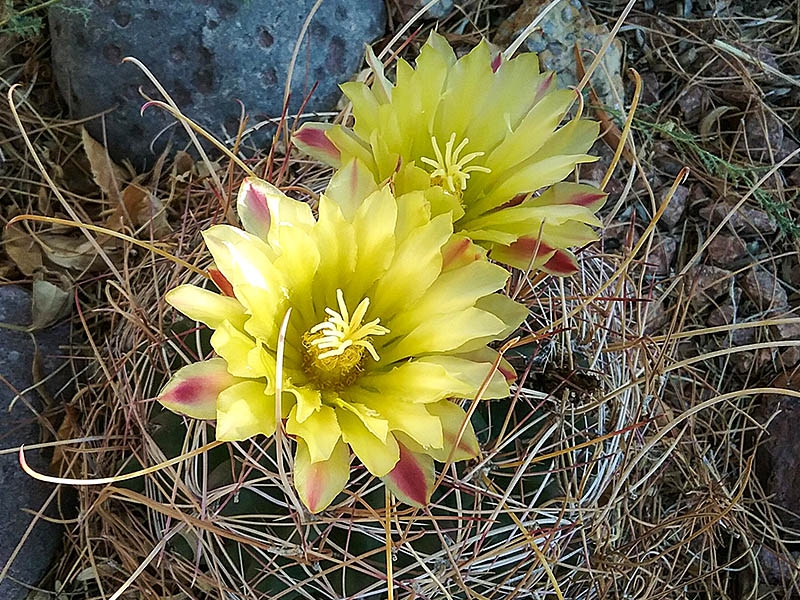
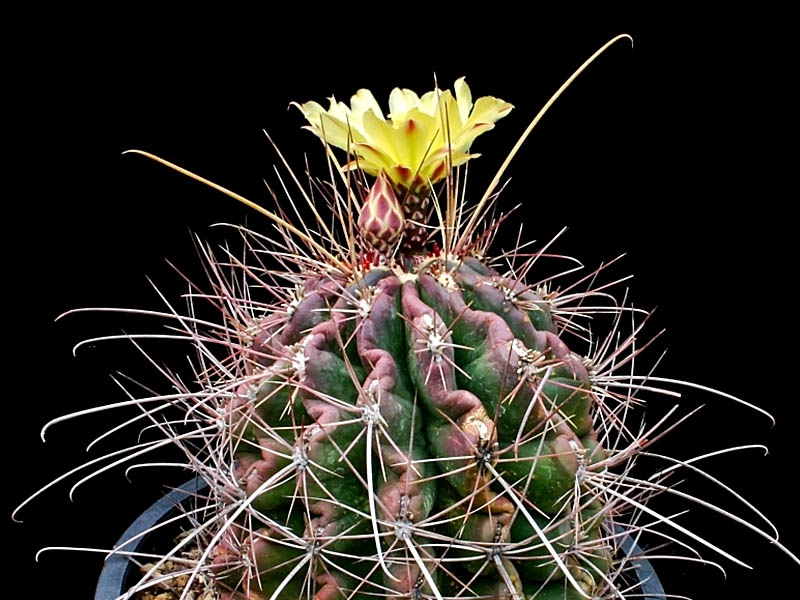
The cactus Ferocactus hamatacanthus has the following growth characteristics, propagation methods, cultivation methods, garden uses, and pest and disease control methods. Growth Characteristics - Distribution: Ferocactus hamatacanthus is native primarily to the desert regions of Mexico and the southwestern United States. - Growth Form: It grows in a spherical or cylindrical shape and can grow solitarily or in clumps. - Size: It typically grows from 30 cm in diameter to a maximum of 1 meter, reaching a height of about 40 cm. - Spines: It is characterized by long, hook-shaped yellow or brown spines. - Flowers: It blooms with showy yellow or red flowers from spring to summer. Propagation Methods - Seed Propagation: It can be propagated using seeds; a potting mix of sand and perlite is suitable for germination. The optimal germination temperature is 20–25 degrees Celsius. - Division: It can also be propagated by dividing the clumps of mature plants. Cultivation Method - Soil: Well-draining potting soil specifically designed for cacti is ideal. Mixing an appropriate amount of sand and gravel into the soil is beneficial. - Watering: Water regularly during the growing season in summer, but reduce watering in winter as growth ceases. - Sunlight: It prefers strong sunlight, so grow it in a sunny location. - Temperature: It prefers a warm climate and should be kept cool during the winter. Uses in the Garden - Landscaping: It is used for decoration in gardens or indoor spaces. Its distinctive spines and flowers add visual appeal. - Windbreak: When growing in clusters, it acts as a windbreak, making it suitable for planting in windy areas. Important Pests and Diseases & Control Methods - Pests and Diseases: Cacti are generally resistant to pests and diseases, but they may be susceptible to damage from aphids or scale insects in certain environments. - Control Methods: Infected parts can be removed, and pesticides can be applied regularly for prevention. Additionally, it is important to manage the plant in an environment with good ventilation and drainage. Based on this information, you can keep your Hamatacanthus healthy.
Plant Family
Cactus and
Height
60cm
Spread
30cm
Colors
yellow
Bloom Period
June to August
Water Needs
Bad
Exposure
Sunny
Freezing Resistance
-10°C
Bando-geo-ok-seon-in-gan
Ferocactus horridus
Jesus' Jade Cactus
Ferocactus gracilis