English
한국어
English
Español
中文
हिंदी
Home
News
Community
Dictionary
English
한국어
English
Español
中文
हिंदी
View list
Kim's hair
Festuca ovina
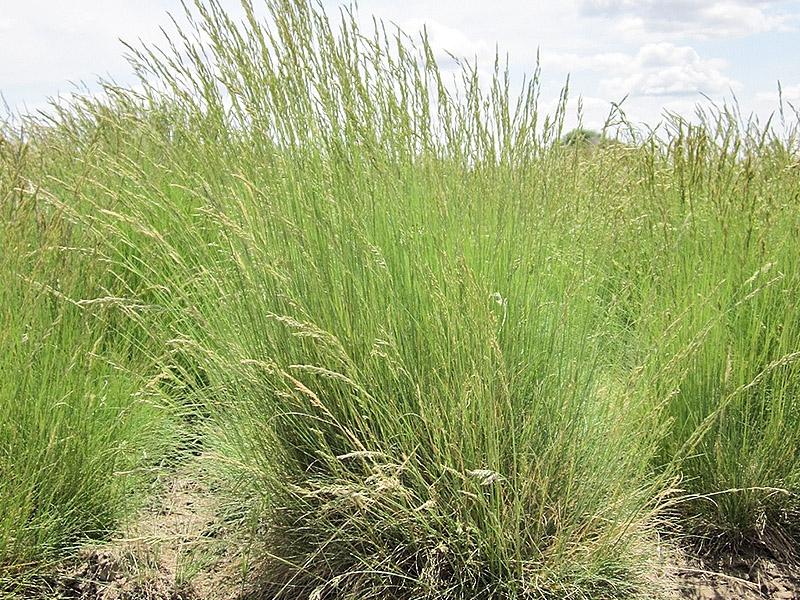
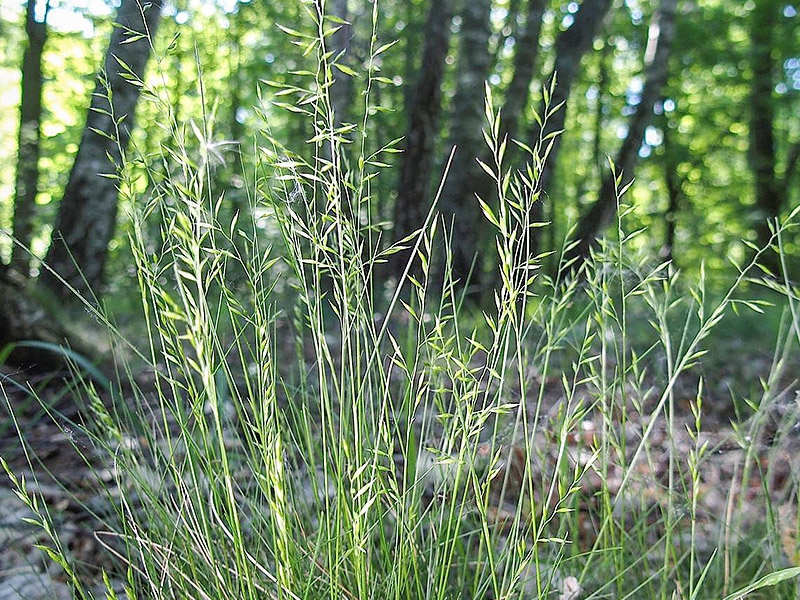
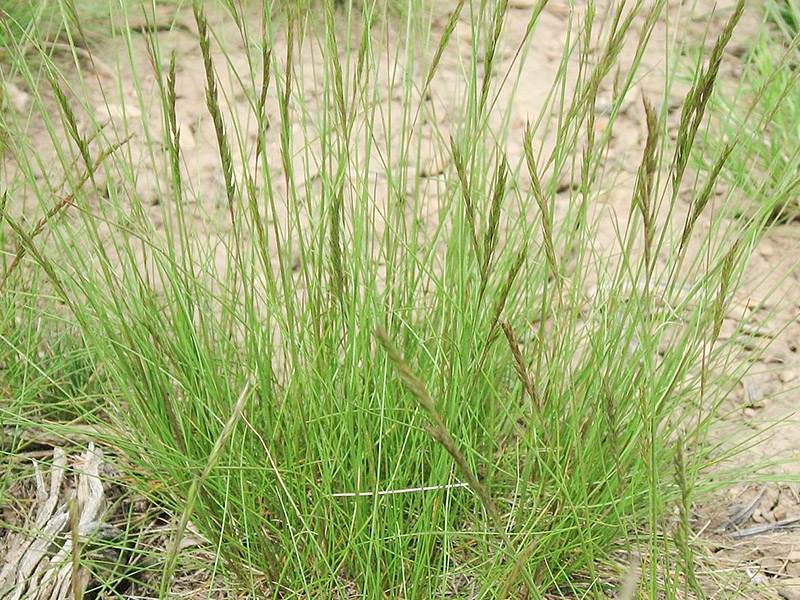
Festuca ovina is a common perennial plant found in Korea, primarily growing in mountainous areas. The following describes the plant's growth characteristics, propagation methods, cultivation practices, garden uses, and important pests and control methods. Growth Characteristics - Growth Environment: Festuca ovina thrives in sunny locations and can grow in dry soil. It prefers well-drained soil. - Appearance: It resembles grass in form and is predominantly composed of bluish-green leaves. - Growth Rate: It grows slowly and possesses high durability. Propagation Methods - Seed Sowing: It can be propagated by sowing seeds in the spring. The seeds germinate relatively well, and sprouts can be encouraged by covering them with a small amount of soil. - Division: Mature plants can also be propagated by division, a method typically performed in the autumn. Cultivation Methods - Watering: Although it grows well in relatively dry environments, it requires sufficient watering during the initial establishment period. - Fertilizer: While it does not require special fertilizers, it is recommended to apply a moderate amount of slow-release fertilizer in spring or early summer. - Pruning: Occasional pruning helps maintain density and promotes healthy growth. Uses in the Garden - Lawn Replacement: Its drought tolerance makes it suitable for replacing or supplementing lawns. - Ornamental: Its turquoise leaves are popular for ornamental purposes and enhance the landscape. - Border Plant: It is frequently used to serve as a boundary or border plant in gardens. Important Pests and Control Methods - Diseases: While Gymnospermum ovina is generally resistant to diseases, it can contract fungal diseases in overly wet environments. It is important to ensure good drainage and ventilation. - Pests: It is generally resistant to pests, but aphids may occur rarely. If they appear, they can be controlled using soapy water or approved pesticides. - Maintenance: You can maintain a healthy condition through regular cleaning and removal. Other precautions include avoiding unnecessary overwatering and regularly checking the condition to create a healthy environment, which is key when cultivating the hairy obiina.
Plant Family
Poaceae
Height
10~60cm
Colors
yellow
Bloom Period
April to August
Water Needs
commonly
Exposure
Sunny
Freezing Resistance
-20°C
Awi asapoitida
Ferula assafoetida
Dogwood
Festuca takedana