English
한국어
English
Español
中文
हिंदी
Home
News
Community
Dictionary
English
한국어
English
Español
中文
हिंदी
View list
Red turban grass
Filipendula koreana
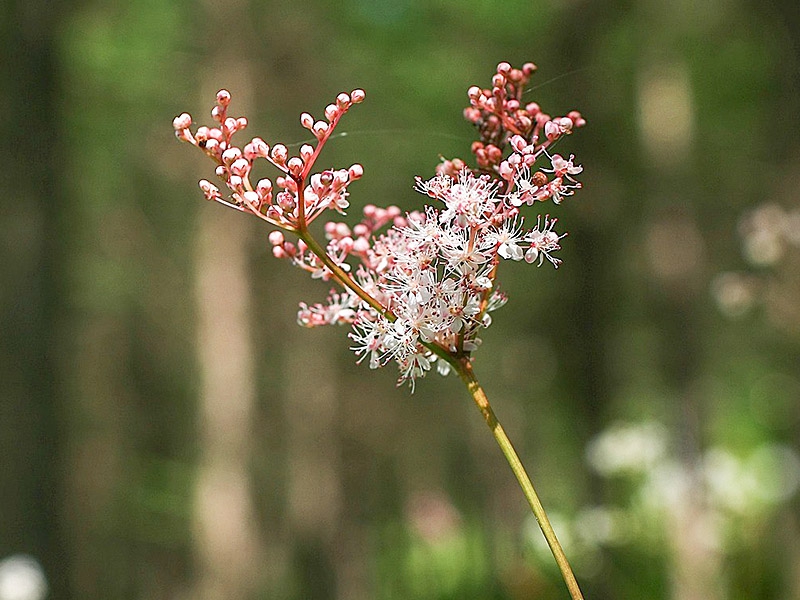
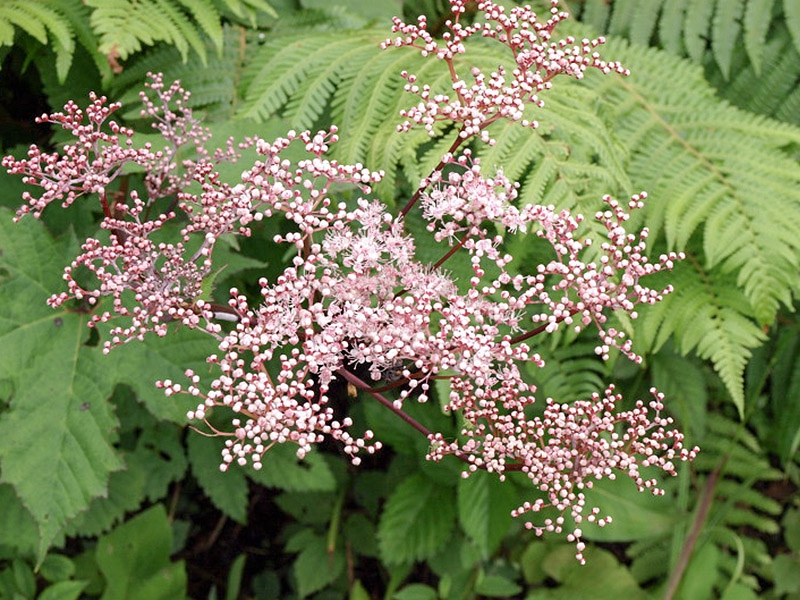
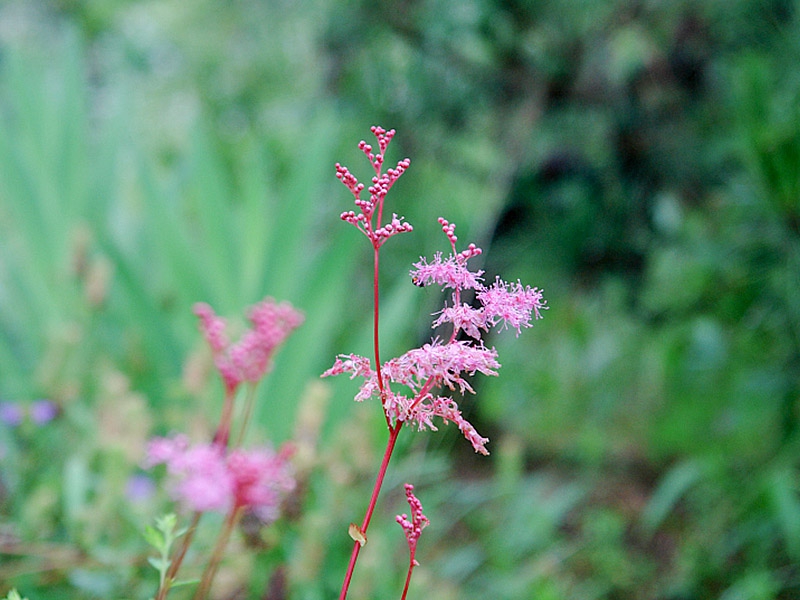
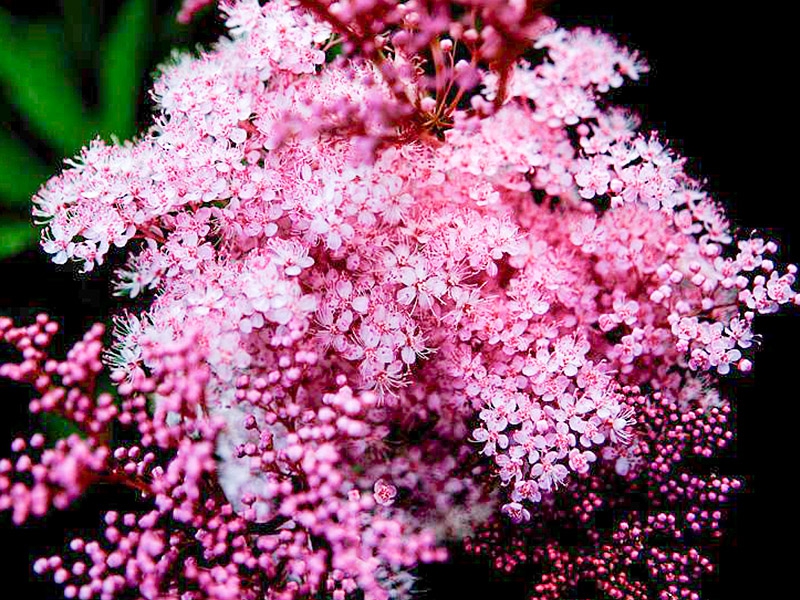
Filipendula koreana is a species endemic to Korea and is a popular garden plant due to its beautiful flowers and unique growth habits. Below is information regarding the growth characteristics, propagation methods, cultivation methods, garden uses, and major pests and diseases, as well as control methods for Filipendula koreana. Growth Characteristics - Environmental Requirements: Filipendula koreana thrives primarily in sunny locations, but it can also grow in partial shade. It prefers well-drained soil, and slightly acidic soil is suitable. - Growth Habits: As a perennial herbaceous plant, it blooms from summer to autumn, with flowers typically appearing in light pink or red. - Cold Hardiness: It is relatively resistant to cold and has the ability to withstand frost well. Propagation Methods - Seeds: It can be propagated by seeds in its natural state; sow in spring or autumn. While the germination rate is good, it may take some time for the seeds to germinate. - Root Division: Mature plants can be easily propagated by digging them up from the ground in spring or autumn and dividing the roots. - Cuttings: It can be propagated through stem cuttings during the summer. Cultivation Methods - Planting: It is best to plant in the spring after the ground thaws. When planting, be careful not to damage the roots and maintain appropriate spacing. - Watering: It likes moisture but requires an environment with good drainage. Water regularly to prevent dryness, but avoid overwatering. - Fertilizer: Applying an appropriate amount of nitrogenous or organic fertilizer during the growing season in spring and early summer will help it grow healthily. Uses in the Garden - Red-leaved Koreana is also very popular as an ornamental plant. It is best planted in clusters, and it pairs well with other perennial herbs. Planting it around a small stream or pond creates a natural atmosphere. Important Pests and Diseases and Control Methods - Diseases: While generally resistant to disease, mold may develop on the leaves due to excessive moisture. In this case, ensure good ventilation and use fungicides if necessary. - Pests: Pests such as aphids may occur. In the early stages of infestation, wash them off with water or use soapy water to remove them; if symptoms persist, select and use an appropriate insecticide. Red-flowered Koreana is a plant that allows you to enjoy beautiful flowers with relatively little care, making it highly valuable for garden use. With proper care, you can keep it healthy for a long time.
Plant Family
Rosaceae
Height
30~80cm
Colors
purple, pink
Bloom Period
July~August
Water Needs
commonly
Exposure
semi-shaded area
Freezing Resistance
-30°C
Maple leaf grass
Filipendula palmata
Turriful
Filipendula glaberrima