English
한국어
English
Español
中文
हिंदी
Home
News
Community
Dictionary
English
한국어
English
Español
中文
हिंदी
View list
Round Sky Keeper
Fimbristylis umbellaris
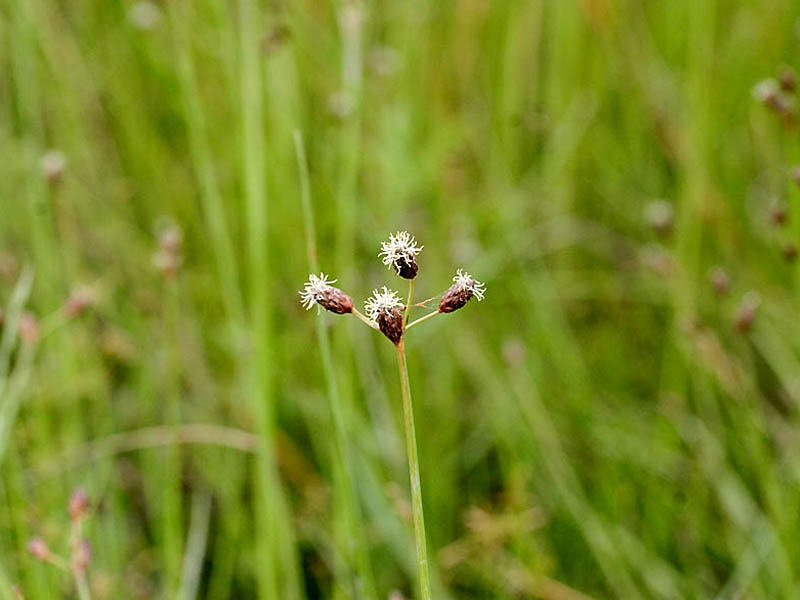
Fimbristylis globulosa var. austrojaponica is a perennial plant that thrives primarily in wetlands. The following describes the plant's growth characteristics, propagation methods, cultivation methods, garden uses, major pests and diseases, and control methods. - Growth Characteristics: - This plant grows well in moist, well-drained soil. - It prefers sunlight but can also grow in some shade. - It tolerates relatively low temperatures well and can overwinter in most regions of Korea. - Propagation Methods: - It is primarily propagated by seeds. - If seeds are sown between March and April, germination occurs in the summer. - Cultivation Methods: - It is important to select well-drained soil for planting. - While it is important to maintain constant moisture by watering sufficiently, care must be taken to prevent water from standing upright. - Regular fertilizer application is not necessary, but it is beneficial to apply a small amount of organic fertilizer in the spring. - Use in the Garden: - The Round-leaved Sky-dog is primarily suitable for landscaping around wetlands. - Its low growth habit and blue leaves make it ideal for creating a natural garden atmosphere. - Major Pests and Control Methods: - It is a relatively hardy plant that is not significantly affected by specific pests or diseases. - If pests or diseases do occur, it is recommended to use eco-friendly insecticides or fungicides. - It is important to periodically check its condition to prevent pests and diseases in advance. I hope you can properly care for the Round-leaved Sky-dog by referring to this information. Try using it in your garden or wetland landscaping to create beautiful vegetation.
Plant Family
Poaceae
Height
10∼40cm
Colors
brown, green
Bloom Period
August to October
Water Needs
commonly
Exposure
Sunny
Freezing Resistance
-10°C
Rock Sky Keeper
Fimbristylis hookeriana
Gaethaneuljigi
Fimbristylis sieboldii